

Galaxy A34 Vs iPhone 16e

Galaxy A34
Galaxy A34
Starting at

Refurbished price:135.00

Versus €399.00 new

See options
iPhone 16e
iPhone 16e
Starting at

Refurbished price:387.00

Versus €719.00 new

See options

Ratings

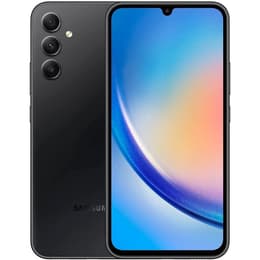
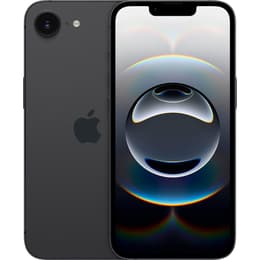
The Samsung Galaxy A34, released in March 2023, is an Android-based smartphone known for its balanced features in the mid-range segment. In contrast, the iPhone 16E is a prospective model, and while not officially announced, it is anticipated to align closely with the expected specifications of the base iPhone 16, which typically launches in September. This comparison will explore the practical differences between these two devices, highlighting how their distinct operating systems and hardware philosophies cater to varying user needs.

Scores

Durability

When considering the long-term usability of a smartphone, both software support and physical resilience play significant roles.

  • Software Longevity: The Samsung Galaxy A34 launched with Android 13 and is expected to receive four years of OS updates and five years of security patches, extending its software lifespan until approximately 2027 for major OS updates and 2028 for security updates. The iPhone 16E, if it follows Apple's typical support cycle, would likely receive major iOS updates for five to seven years from its anticipated release in late 2024, with security patches potentially extending even longer. This suggests a longer period of active software support for the iPhone.
  • Physical Durability: The Galaxy A34 features Gorilla Glass 5 protection on the front and an IP67 rating for dust and water resistance, indicating a good level of protection against everyday elements. The iPhone 16E is expected to feature a durable glass front and back, likely with Ceramic Shield protection, and an IP68 rating, offering enhanced water resistance compared to the A34.
  • Repairability: While specific repairability scores for the iPhone 16E are not yet available, iPhones generally offer a structured repair ecosystem. The Galaxy A34's construction, with a plastic back and sides, may offer some resilience against minor impacts.

Year of Release

2023

2025

OS

Android

iOS

Foldable

No

No

Performance

The performance of a smartphone is crucial for daily tasks, from navigating apps to engaging in more demanding activities like gaming.

  • Processing Power: The Samsung Galaxy A34 is powered by a MediaTek Dimensity 1080 chipset, which provides capable performance for everyday use and handles most applications smoothly. Users report that it performs well for general tasks and even some heavy games, though it may experience heating and faster battery drain during extended gaming sessions. The iPhone 16E is anticipated to feature Apple's A18 chip, which is designed to offer substantial performance improvements, particularly for AI-related tasks and overall system responsiveness. This would likely translate to faster app loading, smoother multitasking, and more efficient handling of graphically intensive applications.
  • Multitasking and Storage: The Galaxy A34 is available with 6GB or 8GB of RAM and 128GB or 256GB of internal storage, with expandable storage up to 1TB via microSD. The iPhone 16E is rumored to come with 8GB of RAM and storage options starting from 128GB, with no expandable storage. The larger RAM in the iPhone 16E would enhance its ability to manage multiple applications simultaneously without slowdowns.
  • Battery Performance: The Galaxy A34 is equipped with a 5000 mAh battery, which typically provides excellent endurance, often lasting up to two days with moderate use. The iPhone 16E is expected to have an improved battery capacity compared to its predecessors, with rumors suggesting around 3561mAh for the base model, aiming for all-day usage. While the raw mAh figures differ, Apple's software optimization often results in efficient power management.

Memory (GB)

6 GB

8 GB

Screen quality

The display is a primary interface for smartphone interaction, influencing everything from content consumption to daily navigation.

  • Display Technology and Size: The Samsung Galaxy A34 features a 6.6-inch Super AMOLED display, offering vibrant colors, deep blacks, and high contrast. The iPhone 16E is expected to come with a 6.1-inch Super Retina XDR OLED display, also known for its excellent color reproduction and deep blacks. The A34 provides a larger screen area for media consumption and multitasking.
  • Resolution and Brightness: The Galaxy A34 has a Full HD+ resolution (1080 x 2340 pixels) with a pixel density of around 399 PPI, and can reach up to 1000 nits peak brightness, ensuring good visibility even in bright outdoor conditions. The iPhone 16E's display is anticipated to have a resolution of 2556x1179 pixels at 460 ppi, offering a slightly sharper image, and is also expected to provide high brightness levels for outdoor use.
  • Refresh Rate: A key difference lies in the refresh rate; the Galaxy A34 boasts a 120Hz refresh rate for smoother scrolling and animations. The base iPhone 16E is likely to retain a 60Hz refresh rate, which, while fluid, may not offer the same level of visual smoothness as the A34 for fast-moving content or scrolling.

Resolution

1080 x 2340

2532x1170

Audiovisual

For many users, the camera system is a decisive factor, capturing everyday moments and special occasions.

  • Rear Camera System: The Samsung Galaxy A34 features a triple rear camera setup: a 48MP main sensor with Optical Image Stabilization (OIS), an 8MP ultrawide lens, and a 5MP macro camera. This setup allows for versatile photography, including detailed close-ups and wider landscape shots. The iPhone 16E is expected to feature an advanced dual-camera system, including a 48MP main sensor with sensor-shift OIS and a 12MP ultrawide lens. The iPhone's main camera is also expected to offer 2x telephoto capabilities through sensor cropping.
  • Photography Performance: The Galaxy A34's main camera performs well in daylight, producing natural colors and clarity, and its Night Mode helps in darker settings, though it may not match flagship performance. The iPhone 16E, with its anticipated A18 chip, is expected to leverage advanced computational photography for improved image processing, especially in challenging lighting conditions, and offer features like Photonic Engine and Smart HDR.
  • Video Recording and Front Camera: Both devices support 4K video recording at 30fps for both their rear and front cameras. The Galaxy A34 has a 13MP front camera for clear selfies. The iPhone 16E is expected to feature a 12MP TrueDepth front camera, enabling advanced features like Face ID and enhanced video calls.

Front camera

13 megapixels

TrueDepth 12MP

Miscellaneous

Beyond core features, several practical elements contribute to the overall user experience and device utility.

  • Connectivity and Ports: Both the Galaxy A34 and the iPhone 16E support 5G connectivity for faster mobile data speeds. The Galaxy A34 includes Bluetooth 5.3 and Wi-Fi 802.11 a/b/g/n/ac dual-band. The iPhone 16E is expected to support Wi-Fi 6E or potentially Wi-Fi 7, along with a newer Bluetooth standard, offering potentially faster and more stable wireless connections. The Galaxy A34 uses a USB-C port. The iPhone 16E will also feature a USB-C port, aligning with modern connectivity standards.
  • Biometric Security and User Interface: The Galaxy A34 features an in-display fingerprint sensor for security, though some users have noted it can be slow. The iPhone 16E will rely on Face ID for secure facial recognition. The iPhone 16E is also expected to include an Action Button and a new Capture Button, offering customizable shortcuts and dedicated camera controls.
  • Design and Handling: The Galaxy A34 has dimensions of 161.3 x 78.1 x 8.2 mm and weighs 199g, featuring a plastic back and sides. The iPhone 16E, with its 6.1-inch display, is likely to be more compact and potentially lighter, offering a different in-hand feel.

Weight

199 g

167 g

Screen size (in)

6.6

6.1

Network

5G

5G

SIM card

Dual Physical SIM

eSIM

Carrier compatibility

Unlocked

Unlocked

Connector

USB-C

USB-C

The Samsung Galaxy A34 and the prospective iPhone 16E cater to different segments of the smartphone market, each with distinct strengths. Users of the Galaxy A34 frequently praise its excellent battery life, vibrant Super AMOLED display with a 120Hz refresh rate, and solid performance for its category. Common criticisms sometimes point to the camera quality being merely acceptable rather than outstanding, and some users have noted the fingerprint scanner's speed. For the iPhone 16E, drawing from general iPhone user sentiment and expected features, praise often centers on the seamless iOS ecosystem, strong performance, and reliable camera capabilities. Potential concerns for a base iPhone model might include the absence of a high refresh rate display and the reliance on Face ID over a fingerprint sensor for some users.

Users prioritizing a larger, high-refresh-rate display and expandable storage, coupled with long battery life, may find the Samsung Galaxy A34 well-suited to their needs. It offers a robust Android experience with consistent software support. Conversely, individuals who value a compact design, the Apple ecosystem, advanced processing power for demanding tasks, and a potentially longer software update cycle will likely lean towards the iPhone 16E. Both devices represent compelling options within their respective ecosystems, and choosing between them often comes down to personal preference for operating system, specific feature priorities, and overall user experience. For those looking for a more sustainable choice, considering quality-assured refurbished options for either model can be an eco-friendly alternative.


See all articles

Our recent comparisons





