
iPhone

Compare models
Differences at a glance
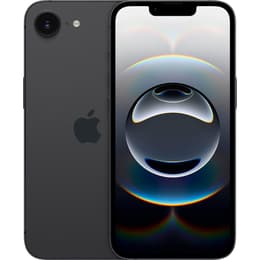
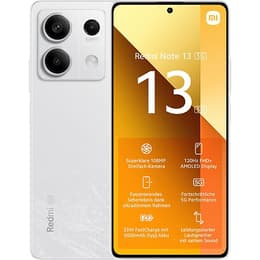
The iPhone 16E, introduced in early 2025 as a successor to Apple's more accessible smartphone line, and the Xiaomi Redmi Note 13, launched globally in early 2024, represent distinct approaches to smartphone design and functionality. While both devices aim to provide a comprehensive mobile experience, they cater to different user priorities through their operating systems, hardware capabilities, and overall design philosophies. The iPhone 16E operates on Apple's iOS, known for its integrated ecosystem, while the Redmi Note 13 runs on Android with Xiaomi's MIUI overlay, offering a more customizable experience.
Colour
Storage
When considering the long-term usability of these devices, their respective release timelines and software support policies are key differentiators.
Year of Release
OS
Foldable
The performance of a smartphone is crucial for daily tasks, and these two devices offer different levels of processing power and efficiency.
The visual experience is a significant factor for many users, and both phones offer vibrant displays with distinct characteristics.
Resolution
Photography and videography capabilities are often a deciding factor, and these devices approach imaging with different hardware and software strengths.
Front camera
Beyond core features, several practical elements contribute to the overall user experience and daily convenience.
Weight
Screen size (in)
Network
SIM card
Carrier compatibility
Connector
The iPhone 16E and Xiaomi Redmi Note 13 cater to users with differing priorities, each excelling in specific areas. User sentiment for the Redmi Note 13 often praises its vibrant AMOLED display with a high refresh rate, its capable 108MP main camera for daylight photography, and its long-lasting 5000mAh battery with fast charging. Some users note that while its processor handles everyday tasks well, it may not match the raw power of higher-end chips for intensive gaming. The software update policy, while improved, is still shorter than Apple's.
For the iPhone 16E, typical praise for Apple's more accessible models centers on the seamless iOS experience, robust long-term software support, and strong performance for its class. Users appreciate the consistent camera quality and the integrated ecosystem. Potential criticisms often revolve around the display's refresh rate, which may be lower than some Android counterparts, and a potentially smaller battery capacity compared to larger Android phones.
Users prioritizing extended software longevity, a highly integrated ecosystem, and top-tier processing power for demanding applications will find the iPhone 16E well-suited to their needs. Conversely, users who value a larger, high-refresh-rate display, a versatile camera system with a high-megapixel main sensor, and a larger battery capacity with fast charging may lean towards the Xiaomi Redmi Note 13. Both devices offer compelling features, and choosing between them depends on which aspects align best with individual usage patterns and preferences. For those seeking an eco-friendly and quality-assured option, considering a refurbished version of either model can be a smart choice.









