

Compare models

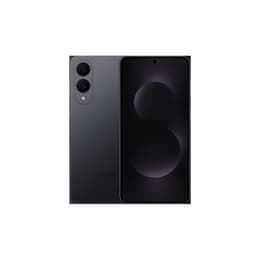
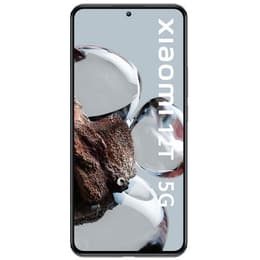
Galaxy S25 Edge Vs Xiaomi 12T

  • 1-year minimum warranty
  • Free delivery on all orders
  • Free 30-day returns
Galaxy S25 Edge
Starting at

Refurbished price:€488.00

Versus €1,275.21 new

See options
Xiaomi 12T
Starting at

Refurbished price:€146.00

Versus €663.41 new

See options

Differences at a glance

The Samsung Galaxy S25 Edge (2025) and the Xiaomi 12T (2022) are distinct Android smartphones designed for users with varying daily requirements. While the Galaxy S25 Edge focuses on an ultra-slim profile and a high-resolution display running on Android 15, the Xiaomi 12T emphasizes rapid charging capabilities and robust everyday productivity powered originally by Android 12. These two devices cater to different preferences in hardware engineering and software lifespans.

Available Models

Colour

Storage

Scores

Durability

When evaluating long-term usability, both devices offer distinct support timelines and structural designs shaped by their release years.

  • Software Support: The Galaxy S25 Edge benefits from a modern release window with extended operating system updates, whereas the Xiaomi 12T operates on an older software schedule.
  • Build and Repairability: The Galaxy S25 Edge utilizes a slim titanium frame and durable glass protection, while the Xiaomi 12T features a traditional glass-backed construction with standard repair pathways.
  • Expected Lifespan: Users seeking extended software longevity will find the newer Galaxy model aligns well with multi-year update cycles, whereas the Xiaomi 12T suits shorter upgrade intervals.

Year of Release

2025

2022

Compatible with latest Update

Yes

Yes

OS

Android

Android

Foldable

No

No

Performance

Performance and multitasking capabilities differ significantly due to the generation gap and hardware configurations of each smartphone.

  • Processing Power: The Galaxy S25 Edge handles heavy apps, high-end mobile gaming, and intensive multitasking smoothly through its current-generation processor, while the Xiaomi 12T manages everyday apps and moderate tasks reliably using its balanced processor setup.
  • Memory and Storage: The Galaxy S25 Edge comes equipped with generous RAM configurations starting at 12GB paired with ample storage options, compared to the Xiaomi 12T's 8GB RAM baseline and standard storage tiers.
  • Battery Behavior: The Galaxy S25 Edge relies on a smaller battery capacity tailored to its thin chassis, meaning heavier daily use may require a midday recharge, whereas the Xiaomi 12T includes a larger 5000mAh battery paired with exceptionally fast wired charging speeds.

Screen quality

Both smartphones feature large, vibrant display panels, though they differ in resolution and peak visual clarity.

  • Display Technology: Both models utilize advanced AMOLED screen technology, delivering deep blacks, high contrast ratios, and fluid 120Hz refresh rates for smooth scrolling and navigation.
  • Resolution and Sharpness: The Galaxy S25 Edge offers a higher resolution panel for exceptional detail, while the Xiaomi 12T features a crisp high-definition display suitable for daily media consumption.
  • Outdoor Usability: Both screens reach high brightness levels, ensuring visibility under direct sunlight, though panel reflections and adjustments vary between the two device generations.

Resolution

1440 x 3120

1220 x 2712

Audiovisual

Photography and media recording hardware offer varied approaches to capturing everyday moments and details.

  • Camera Systems: The Galaxy S25 Edge features a high-resolution main sensor accompanied by an ultra-wide lens, while the Xiaomi 12T utilizes a triple camera array anchored by a high-megapixel main sensor and supporting lenses.
  • Low-Light Performance: Both devices include dedicated processing modes to brighten night scenes and reduce grain, yielding clear shots in dim environments.
  • Media and Audio: Speaker output on both phones delivers clear stereo sound for videos and calls, though neither model includes a traditional headphone jack.

Miscellaneous

Practical day-to-day features, physical dimensions, and connectivity standards shape the handling of each smartphone.

  • Physical Handling: The Galaxy S25 Edge prioritizes an exceptionally thin and lightweight titanium profile, whereas the Xiaomi 12T has a slightly thicker and heavier build that houses its larger battery.
  • Connectivity: Both models support 5G networks, modern Bluetooth standards, and Wi-Fi connectivity for stable wireless connections.
  • Security Sensors: Each device features a responsive in-display fingerprint scanner alongside facial recognition capabilities for secure device unlocking.

Weight

163 g

202 g

Screen size (in)

6.7

6.67

Network

5G

5G

SIM card

Physical SIM + eSIM

Dual Physical SIM

Carrier compatibility

Unlocked

Unlocked

Connector

USB-C

USB-C

What the community thinks

User feedback from online forums highlights distinct preferences for each device. Owners of the Galaxy S25 Edge frequently praise its exceptionally slim form factor, premium materials, and sharp display, though some note that the smaller battery capacity requires more frequent recharging during heavy use. Conversely, users of the Xiaomi 12T often commend its reliable daily performance and rapid charging speeds that minimize downtime, while noting its bulkier build compared to newer slighter models.

Users prioritizing a sleek physical design, extended software update longevity, and high-resolution display output may prefer the Galaxy S25 Edge. On the other hand, users focusing on rapid charging speeds and balanced everyday productivity will find the Xiaomi 12T well-suited to their needs. Exploring a quality-assured refurbished option provides an eco-friendly alternative for acquiring either model while supporting sustainable technology choices.








