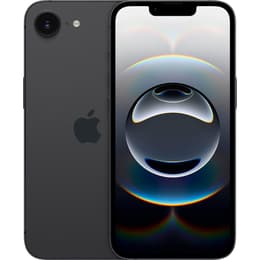


iPhone

Compare models
Differences at a glance
The iPhone 16E and the Xiaomi Redmi Note 11 Pro 5G represent different approaches to smartphone design and functionality, catering to distinct user priorities. The iPhone 16E, released in February 2025, served as an entry-level model within Apple's ecosystem, offering a blend of modern features and established design elements. In contrast, the Xiaomi Redmi Note 11 Pro 5G, launched in January 2022, positioned itself as a feature-rich Android device with a focus on display quality and battery performance. These differences are evident across their core specifications and user experiences.
Colour
Storage
When considering the practical lifespan of these devices, their release timelines and software support play a significant role. The iPhone 16E, having been released in February 2025, benefits from Apple's extended software update policy, originally shipping with iOS 18.3 and supporting iOS 26. This typically translates to several years of continued feature updates and security patches. The Xiaomi Redmi Note 11 Pro 5G, released in January 2022, launched with Android 11 and MIUI 13, with updates available up to Xiaomi HyperOS based on Android 13. This means its software support window is shorter compared to the iPhone model.
Year of Release
OS
Foldable
The performance of a smartphone impacts daily usage, from launching applications to handling demanding tasks. These two devices offer different levels of responsiveness and capability.
The display is a primary interface for smartphone interaction, and both devices offer distinct visual experiences.
Resolution
Camera capabilities are a key consideration for many users, and these phones approach photography and videography with different strengths.
Front camera
Beyond core features, several practical elements contribute to the overall user experience and device utility.
Weight
Screen size (in)
Network
SIM card
Carrier compatibility
Connector
User feedback for the Xiaomi Redmi Note 11 Pro 5G often highlights its impressive AMOLED display, strong battery life, and fast charging capabilities as significant advantages. Users appreciate the inclusion of a 3.5mm headphone jack and expandable storage. However, common criticisms include its limited video recording resolution (no 4K) and the fact that it launched with an older version of Android, potentially impacting long-term software support compared to newer devices. The performance, while adequate for daily use, is not considered suitable for demanding gaming or heavy multitasking by some users.
For the iPhone 16E, reviews generally praised its modern processor, long battery life, and the integration of Apple Intelligence features. Its OLED display and 48MP camera system were also well-received. Some users noted the retention of a notch design instead of the Dynamic Island and the absence of MagSafe charging as points of differentiation from higher-tier iPhone models.
Users prioritizing a smooth, long-supported software experience, advanced computational photography, and a compact design with premium build materials may find the iPhone 16E well-suited to their needs. Its ecosystem integration and security features are also strong points. Conversely, users who value a larger, high-refresh-rate display, exceptional battery endurance with rapid charging, and the flexibility of expandable storage and a headphone jack might lean towards the Xiaomi Redmi Note 11 Pro 5G. This device also offers an eco-friendly alternative through quality-assured refurbished options, providing a sustainable choice for consumers.








