

Galaxy S21 Ultra 5G Vs iPhone 11

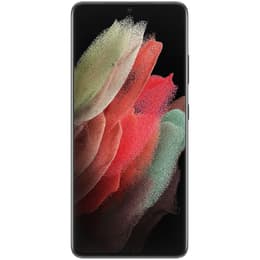
Galaxy S21 Ultra 5G
Galaxy S21 Ultra 5G
Starting at

Refurbished price:228.00

Versus €1,297.00 new

See options
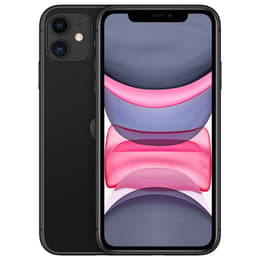
iPhone 11
iPhone 11
Starting at

Refurbished price:150.08

Versus €589.00 new

See options

Ratings

The Samsung Galaxy S21 Ultra 5G, released in January 2021, and the Apple iPhone 11, launched in September 2019, represent different philosophies and generations within the smartphone market. While both offer robust smartphone experiences, the S21 Ultra 5G emphasizes advanced display technology, a versatile camera system, and 5G connectivity, whereas the iPhone 11 focuses on a streamlined user experience and a capable dual-camera setup. The S21 Ultra operates on Android, offering extensive customization, while the iPhone 11 runs on Apple's iOS, known for its intuitive interface and ecosystem integration.

Scores

Durability

The practical lifespan of a smartphone is often determined by its software support and physical durability. These two devices, released approximately a year and a half apart, offer differing expectations in these areas.

  • Software Longevity: The iPhone 11, released in 2019, is expected to receive major iOS updates until late 2026, with security updates potentially extending beyond that. The Galaxy S21 Ultra 5G, launched in 2021, received its final major Android update (Android 15) in May 2025, and its last security update in November 2025, with software updates now terminated as of February 2026.
  • Repairability: The iPhone 11 has a repairability score of 6 out of 10 from iFixit, indicating a moderate ease of repair, particularly for critical components like the display and battery. The Galaxy S21 Ultra 5G received a lower repairability score of 3 out of 10 from iFixit, largely due to the extensive use of glue for the battery, display, and rear panel, making disassembly challenging.
  • Physical Durability: Both devices feature glass backs and aluminum frames, and both carry an IP68 rating for dust and water resistance. The S21 Ultra 5G uses Gorilla Glass Victus on both front and back for enhanced scratch and drop protection. The iPhone 11's screen exhibits scratching at a level six on the Mohs' hardness test, and its glass back is also rated at level six.

Year of Release

2021

2019

Compatible with latest Update

Yes

Yes

OS

Android

iOS

Foldable

No

No

Performance

Performance is a key differentiator, with the newer Galaxy S21 Ultra 5G offering more advanced hardware compared to the iPhone 11, impacting how each device handles demanding tasks and daily usage.

  • Processing Power: The Galaxy S21 Ultra 5G features a more recent generation processor, enabling smoother performance for graphically intensive games, advanced multitasking, and faster app loading times. The iPhone 11, while still capable for everyday tasks, uses an older generation processor that provides a responsive experience for general use and most applications.
  • Multitasking and Storage: The S21 Ultra 5G typically comes with more RAM, which benefits users who frequently switch between many applications or engage in heavy multitasking. It also offers higher maximum storage options. The iPhone 11 has less RAM and lower maximum storage configurations, which may require users to manage their app usage and storage more actively.
  • Battery Behavior: The Galaxy S21 Ultra 5G is equipped with a larger battery capacity, designed to support its more power-intensive display and processor, often lasting a full day even with heavy use. The iPhone 11 also offers a battery that can last a full day for many users, though heavy usage might necessitate more frequent charging.

Memory (GB)

12 GB

4 GB

Screen quality

The visual experience on these two smartphones differs significantly due to their display technologies and specifications, catering to different user preferences for clarity, color, and smoothness.

  • Display Technology and Resolution: The Galaxy S21 Ultra 5G boasts a 6.8-inch Dynamic AMOLED 2X display with a WQHD+ resolution (3200x1440 pixels), offering vibrant colors, deep blacks, and exceptional clarity. The iPhone 11 features a 6.1-inch Liquid Retina IPS LCD with a lower resolution (1792x828 pixels), providing good color accuracy but not the same level of contrast or pixel density as an OLED panel.
  • Refresh Rate and Brightness: The S21 Ultra 5G includes an adaptive 120Hz refresh rate, resulting in noticeably smoother scrolling and more fluid animations. It also achieves higher peak brightness levels, improving visibility in bright outdoor conditions. The iPhone 11 has a standard 60Hz refresh rate and a lower peak brightness, which is sufficient for most indoor and outdoor viewing but may appear less fluid and less bright in direct sunlight.
  • Viewing Experience: The larger, higher-resolution, and higher refresh rate display of the S21 Ultra 5G provides a more immersive and detailed viewing experience, particularly for media consumption and gaming. The iPhone 11's display, while still offering a good viewing experience, is smaller and less sharp, which might be more noticeable for users accustomed to higher-end screens.

Resolution

1440 x 3200

828 x 1792

Screen type

Dynamic AMOLED 2X

Liquid Retina IPS LCD

Audiovisual

Both devices offer capable camera systems, but the Galaxy S21 Ultra 5G provides a more versatile and feature-rich setup, particularly for zoom capabilities and high-resolution photography.

  • Rear Camera System: The Galaxy S21 Ultra 5G features a quad-camera setup with a 108MP main sensor, a 12MP ultrawide, and two 10MP telephoto lenses (3x and 10x optical zoom), offering extensive zoom capabilities and high-resolution detail. The iPhone 11 has a dual-camera system with a 12MP main lens and a 12MP ultrawide lens, providing good everyday photography and a wide field of view.
  • Photography Performance: The S21 Ultra 5G excels in capturing detailed images, especially with its high-resolution main sensor and advanced zoom. Its low-light performance is strong, and it offers various shooting modes. The iPhone 11 also delivers sharp, color-accurate photos in good lighting and features a capable Night mode for improved low-light shots, though it lacks the extreme detail and zoom range of the S21 Ultra 5G.
  • Video Recording and Front Camera: Both phones support 4K video recording. The S21 Ultra 5G can record 8K video and features a 40MP front camera for high-resolution selfies. The iPhone 11 records 4K video at up to 60fps and has a 12MP front camera, offering solid video and selfie quality for most users.

Main camera

108 megapixels

12 megapixels

Front camera

40 megapixels

12 megapixels

Miscellaneous

Beyond core features, several practical elements contribute to the overall user experience, including connectivity, physical design, and additional functionalities.

  • Connectivity and Ports: The Galaxy S21 Ultra 5G supports 5G networks, Wi-Fi 6E, and Bluetooth 5.2, offering faster data speeds and more advanced wireless connectivity. It uses a USB-C port for charging and data transfer. The iPhone 11 supports 4G LTE, Wi-Fi 6, and Bluetooth 5.0, providing reliable but not the latest generation wireless connectivity. It uses Apple's proprietary Lightning port.
  • Biometric Security and Design: The S21 Ultra 5G features an ultrasonic under-display fingerprint sensor and face recognition. It has a larger, heavier build with a premium feel. The iPhone 11 relies solely on Face ID for biometric authentication and has a slightly more compact and lighter design.
  • Additional Features: The Galaxy S21 Ultra 5G offers S Pen support (though the pen is sold separately), expanding its utility for note-taking and drawing. The iPhone 11 does not support a stylus. Both devices lack a traditional 3.5mm headphone jack.

Weight

227 g

194 g

Screen size (in)

6.8

6.1

Network

5G

4G

SIM card

Physical SIM + eSIM

Physical SIM + eSIM

Carrier compatibility

Unlocked

Unlocked

Connector

USB-C

Lightning

User sentiment for the Galaxy S21 Ultra 5G often highlights its exceptional camera system, particularly the versatile zoom capabilities, and its vibrant, high-refresh-rate display. Many users appreciate the extensive customization options offered by the Android operating system. Criticisms sometimes point to its large size and weight, which can impact one-handed use, and some users have noted that the battery life, while generally good, can be challenged by the power-hungry display and processor under heavy load.

The iPhone 11 is frequently praised for its consistent performance, reliable camera for everyday photos, and the intuitive nature of iOS. Users often commend its solid battery life for its class and its continued software support. Common concerns include the lack of a high-resolution OLED display, the absence of 5G connectivity, and the more limited customization compared to Android devices.

Users prioritizing a cutting-edge display, advanced camera features with significant zoom, and the latest Android functionalities may find the Galaxy S21 Ultra 5G better suited to their needs. Conversely, those who value a streamlined user experience, consistent performance for daily tasks, and a slightly more compact design within the Apple ecosystem might lean towards the iPhone 11. Both devices offer a quality smartphone experience, and choosing a quality-assured refurbished option for either model can provide an eco-friendly alternative for consumers.


See all articles

Our recent comparisons