

Compare models
Galaxy Z Flip6 Vs iPhone 17e
- 1-year minimum warranty
- Free delivery on all orders
- Free 30-day returns
Differences at a glance
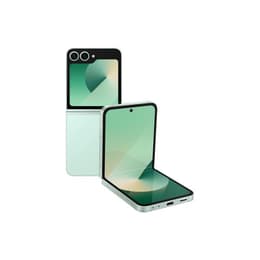
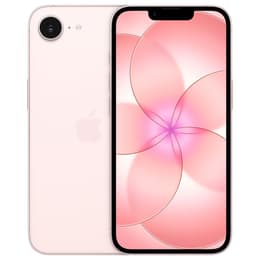
The Samsung Galaxy Z Flip6 (2024) and the Apple iPhone 17e (2026) represent two distinct approaches to modern mobile design, pairing a foldable pocket-friendly form factor with a traditional slate layout. While the Galaxy Z Flip6 introduces a flexible dual-screen setup running on Android, the iPhone 17e relies on Apple's established iOS platform within a standard slate body. Both devices target users looking for modern smartphone capabilities, though their physical construction and operating systems create fundamentally different daily experiences.
Available Models
Colour
Storage
Scores
Durability
When evaluating long-term utility, both devices offer robust build qualities and extended software support timelines, though their physical designs present unique durability considerations.
- Software longevity: The iPhone 17e benefits from a later release year, ensuring extended official operating system support, while the Galaxy Z Flip6 relies on Samsung's multi-year update commitment starting from its 2024 launch.
- Physical durability: The Galaxy Z Flip6 features a folding mechanism and specialized hinge protection that requires mindful handling, whereas the rigid slate construction of the iPhone 17e provides a more conventional, fixed-frame resilience.
- Repairability: Both models incorporate sealed designs with high water resistance ratings, meaning internal maintenance is best handled by certified service providers to preserve structural integrity.
Year of Release
2024
2026
OS
Android
iOS
Foldable
Yes
No
Performance
Underneath their distinct exteriors, both handsets are equipped to handle demanding daily workloads, heavy multitasking, and modern applications with dependable speed.
- Multitasking efficiency: Each device includes ample RAM capacity to keep multiple background apps active without noticeable stutter or forced reloads.
- Daily responsiveness: Everyday tasks such as web browsing, streaming, and switching between heavy software run smoothly, supported by optimized current-generation hardware integration.
- Storage capacity: Both models offer generous starting storage tiers, accommodating large media libraries, offline documents, and extensive application data without requiring expandable storage slots.
Screen quality
Display technology is a primary differentiator between these two models, dictating how users interact with media, text, and everyday applications.
- Display architecture: The Galaxy Z Flip6 utilizes a foldable OLED main panel paired with an external cover screen for quick interactions, while the iPhone 17e features a traditional, rigid OLED screen with sharp clarity and consistent color reproduction.
- Outdoor visibility: Both displays offer high peak brightness levels, ensuring content remains legible under direct sunlight or bright ambient lighting conditions.
- Visual fluidity: The Samsung device offers a smooth high refresh rate for scrolling and animations, whereas the Apple model maintains a standard refresh rate paired with responsive touch tracking.
Resolution
1080 x 2640
2532 x 1170
Audiovisual
Optics and media playback capabilities vary to match different capture preferences and daily content creation habits.
- Camera systems: The Galaxy Z Flip6 provides a versatile dual rear camera setup that leverages its folding angles for hands-free framing, while the iPhone 17e focuses on a single high-resolution primary lens supported by advanced computational image processing.
- Low-light performance: Both phones handle dim environments effectively, balancing shadows and highlights to retain detail in challenging lighting conditions.
- Audio output: Integrated stereo speakers on both devices deliver clear sound for hands-free calls, casual video viewing, and music playback.
Front camera
10 megapixels
12 megapixels
Miscellaneous
Practical daily usability is shaped by connectivity standards, physical dimensions, and authentication methods built into each chassis.
- Connectivity standards: Both devices support fast 5G cellular networks, reliable Wi-Fi protocols, and modern Bluetooth pairing for accessories.
- Biometric security: The Galaxy Z Flip6 places its fingerprint sensor on the side power button for quick thumb access, whereas the iPhone 17e uses facial recognition technology for authentication.
- Handling and weight: The Galaxy Z Flip6 folds into a compact square that slips easily into small pockets, while the iPhone 17e offers a lightweight, slender profile that rests comfortably in one hand during extended use.
Weight
187 g
169 g
Screen size (in)
6.7
6.1
Network
5G
5G
SIM card
Physical SIM + eSIM
eSIM
Carrier compatibility
Unlocked
Unlocked
What the community thinks
User discussions across community platforms often highlight distinct preferences when choosing between these two devices. Owners of the Galaxy Z Flip6 frequently praise its compact footprint when folded and the convenience of hands-free photo framing using the outer display. At the same time, some users note the physical crease on the main screen and express mindfulness regarding the longevity of the folding mechanism over years of heavy flipping. Conversely, iPhone 17e users frequently highlight dependable battery efficiency, seamless integration within the iOS ecosystem, and the reliable durability of a traditional slate design. Criticisms for the Apple device occasionally center on the absence of a dedicated secondary ultra-wide lens.
Users prioritizing a pocket-friendly folding design and flexible multi-angle viewing will find the Galaxy Z Flip6 well-suited to their daily routine. Meanwhile, users who prefer a traditional slate format, streamlined operating system navigation, and straightforward hardware longevity may lean toward the iPhone 17e. For those mindful of environmental impact, a quality-assured refurbished option provides a sustainable choice that extends the lifecycle of these electronics without compromising on performance.









