

iPhone 15 Pro Vs iPhone 16 Plus

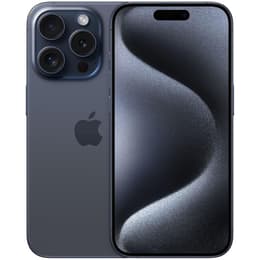
iPhone 15 Pro
iPhone 15 Pro
Starting at

Refurbished price:474.05

Versus €1,239.00 new

See options
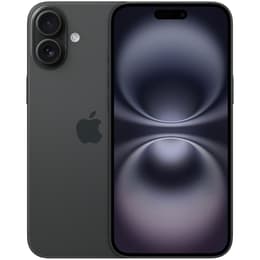
iPhone 16 Plus
iPhone 16 Plus
Starting at

Refurbished price:559.00

Versus €979.00 new

See options

Ratings

The iPhone 15 Pro, released in September 2023, and the iPhone 16 Plus, launched in September 2024, represent distinct offerings within Apple's smartphone lineup. While both devices operate on the iOS platform and share a commitment to a seamless user experience, they cater to different priorities through variations in their display technology, camera systems, and overall design. The iPhone 15 Pro emphasizes advanced performance and a compact form factor, whereas the iPhone 16 Plus focuses on a larger display and extended battery life.

Scores

Durability

When considering the long-term usability of these devices, several factors contribute to their expected practical lifespan.

  • Release Timeline: The iPhone 15 Pro was introduced in September 2023, making it a year older than the iPhone 16 Plus, which debuted in September 2024. This difference in release date typically means the iPhone 16 Plus will receive software updates for a slightly longer period. [2, 5, 13]
  • Software Longevity: Both models are designed to receive multiple years of iOS updates, ensuring access to new features and security enhancements. The iPhone 15 Pro launched with iOS 17 and is compatible with iOS 18 and iOS 26, with a minimum of five years of major software updates expected. [10, 12] The iPhone 16 Plus ships with iOS 18 and is also expected to receive extensive software support. [13, 17]
  • Repairability: The iPhone 15 Pro initially received a repairability score of 4 out of 10, which was later improved to 7 out of 10 due to software updates enabling easier part calibration. [4, 27, 39] While specific scores for the iPhone 16 Plus are not widely detailed, Apple's general trend has been towards improving repair accessibility for its devices.

Year of Release

2023

2024

Compatible with latest Update

Yes

Yes

Foldable

No

No

Performance

The performance capabilities of the iPhone 15 Pro and iPhone 16 Plus are driven by their respective internal components, impacting how smoothly they handle various tasks.

  • Processing Power: The iPhone 15 Pro features a powerful processor designed for demanding applications and advanced gaming, offering significant gains in both CPU and GPU performance. [16, 32] The iPhone 16 Plus is equipped with a newer generation processor that provides swift performance for everyday use and handles demanding apps effectively. [25, 33] While the 16 Plus's processor is a newer generation, the Pro variant in the 15 Pro was specifically engineered for high-end tasks, with some benchmarks showing the 16 Plus's processor performing very closely to the 15 Pro's. [33, 35]
  • Multitasking and Storage: Both devices come with 8GB of RAM, which supports efficient multitasking and smooth transitions between applications. [5, 10, 13, 25, 30] Storage options for both models typically range from 128GB up to 512GB, with the iPhone 15 Pro also offering a 1TB option, providing ample space for apps, photos, and videos. [2, 10, 22]
  • Battery Behavior: The iPhone 16 Plus is noted for its significantly larger battery capacity, often providing very long battery life that can comfortably last beyond a full day for many users. [17, 25, 31, 38] The iPhone 15 Pro offers all-day battery life with moderate to heavy usage, though some users engaging in intensive tasks like prolonged gaming or video recording might find themselves needing to recharge before the day ends. [29, 37, 43]

Memory (GB)

8 GB

8 GB

Screen quality

The visual experience on these two smartphones is shaped by their display technologies and specifications.

  • Display Technology and Clarity: Both the iPhone 15 Pro and iPhone 16 Plus feature Super Retina XDR OLED displays, delivering deep blacks, vibrant colors, and excellent contrast. [1, 7, 13] They offer high resolutions, resulting in sharp text and clear images. [1, 7, 13]
  • Refresh Rate and Smoothness: A key difference lies in the refresh rate. The iPhone 15 Pro incorporates ProMotion technology, providing an adaptive refresh rate that can go up to 120Hz. This results in noticeably smoother scrolling and more fluid animations, particularly during gaming or fast-paced content. [1, 29, 43] The iPhone 16 Plus features a standard 60Hz refresh rate, which is sufficient for most daily tasks but does not offer the same level of visual fluidity as the 120Hz display. [7, 17, 20, 26, 46]
  • Brightness and Size: Both devices offer high peak brightness levels, reaching up to 2000 nits for outdoor visibility, ensuring content remains clear even in bright sunlight. [1, 7, 11] The iPhone 15 Pro has a 6.1-inch display, offering a compact viewing experience. [1, 10] The iPhone 16 Plus provides a larger 6.7-inch display, which enhances the viewing experience for media consumption and multitasking. [2, 7, 13]

Resolution

1179 x 2556

1290 x 2796

Screen type

LTPO Super Retina XDR OLED

Super Retina XDR OLED

Audiovisual

The camera systems on the iPhone 15 Pro and iPhone 16 Plus offer distinct capabilities for photography and videography.

  • Rear Camera System: The iPhone 15 Pro features a versatile triple-camera system, including a 48MP Main camera, a 12MP Ultra Wide camera, and a 12MP 3x Telephoto camera, allowing for optical zoom. [1, 16, 22] This setup provides flexibility for various photographic scenarios, from wide landscapes to detailed close-ups. The iPhone 16 Plus comes with a dual-camera system, comprising a 48MP Main camera and a 12MP Ultra Wide camera. [2, 13, 17] It lacks a dedicated telephoto lens, meaning zoom capabilities beyond digital zoom are more limited. [17]
  • Photography Performance: Both phones excel in everyday photography, producing images with good detail and color accuracy. The 15 Pro's advanced computational photography and larger sensor contribute to strong low-light performance and realistic colors. [29, 37] The 16 Plus also delivers sharp camera quality, with improvements in low-light environments and the addition of macrophotography via its ultrawide lens. [17, 38]
  • Video Recording and Audio: Both devices support high-quality video recording, including 4K at 60 frames per second. [43, 46] The iPhone 15 Pro also supports ProRes video recording and the capture of Spatial Video for immersive viewing. [16, 22] Microphone quality for calls and recordings is generally clear on both. Speaker output on both models provides a good experience for media consumption.

Main camera

48 megapixels

48 megapixels

Front camera

12 megapixels

12 megapixels

Miscellaneous

Beyond core features, several practical elements differentiate the iPhone 15 Pro and iPhone 16 Plus in daily use.

  • Connectivity and Ports: Both devices support modern connectivity standards, including 5G, advanced Wi-Fi, and Bluetooth. [10, 13] They both feature a USB-C port for charging and data transfer. However, the iPhone 15 Pro's USB-C port supports USB 3 speeds, offering significantly faster data transfer rates compared to the iPhone 16 Plus's USB 2 speeds. [13, 22]
  • Build Materials and Handling: The iPhone 15 Pro utilizes an aerospace-grade titanium frame, contributing to a lighter and more durable feel, along with a textured matte glass back. [16, 22, 43] It weighs 187 grams. [10, 24] The iPhone 16 Plus features an aluminum frame and a glass back, weighing 199 grams. [13, 17, 24] The 15 Pro's smaller 6.1-inch display generally makes it easier for one-handed use compared to the 16 Plus's larger 6.7-inch screen. [1, 13, 29]
  • User Interaction Features: Both models include the Dynamic Island for interactive alerts and background activities, and a customizable Action Button. [7, 9, 22, 29] The iPhone 16 Plus also introduces a new Camera Control button for quick access to camera functions. [7, 9, 17] Both devices rely on Face ID for secure authentication. [23]

Weight

187 g

199 g

Screen size (in)

6.1

6.7

Network

5G

5G

SIM card

Physical SIM + eSIM

eSIM

Carrier compatibility

Unlocked

Unlocked

Connector

USB-C

USB-C (USB 2)

The iPhone 15 Pro and iPhone 16 Plus each offer a compelling smartphone experience, tailored to different user preferences. Users frequently praise the iPhone 15 Pro for its powerful performance, especially for gaming and demanding applications, and its advanced camera system with a dedicated telephoto lens. [16, 29, 37] Its ProMotion display is often highlighted for its smooth and fluid visual experience. [29, 43] Some common criticisms for the 15 Pro include its battery life, which, while generally good, may not always last a full day for very heavy users, and its smaller screen size compared to larger models. [29, 34, 37]

The iPhone 16 Plus, on the other hand, receives consistent praise for its significantly longer battery life, making it an excellent choice for users who prioritize endurance. [17, 25, 31, 38] Its larger display is also a frequent positive, enhancing media consumption and general usability. [17, 25] A common point of feedback for the 16 Plus is its 60Hz display, which some users note feels less fluid compared to devices with higher refresh rates. [17, 26, 46]

Users prioritizing a compact device with the most advanced camera capabilities, including optical zoom, and a high refresh rate display for the smoothest visual experience, may find the iPhone 15 Pro well-suited to their needs. Conversely, users who value a larger screen for immersive viewing and exceptional battery life that easily lasts through a full day, even with heavy use, will likely lean towards the iPhone 16 Plus. Both devices offer a robust iOS experience, and choosing between them often comes down to whether a pro-level camera and display fluidity or a larger screen and extended battery life are the primary decision factors. For those seeking an eco-friendly alternative, quality-assured refurbished options for both models are available, providing a sustainable choice.


See all articles

Our recent comparisons