

Compare models

Google Pixel 9a Vs iPhone 14 Pro Max

  • 1-year minimum warranty
  • Free delivery on all orders
  • Free 30-day returns
Google Pixel 9a
Starting at

Refurbished price:343.00

Versus €586.09 new

See options
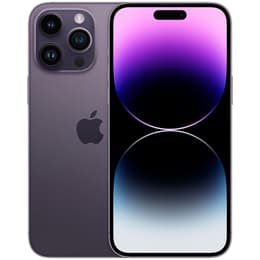
iPhone 14 Pro Max
Starting at

Refurbished price:494.00

Versus €1,489.00 new

See options

Differences at a glance

The Google Pixel 9a (2025) and the Apple iPhone 14 Pro Max (2022) represent two distinct approaches to modern smartphone design, balancing software ecosystems and physical construction differently. While the Google Pixel 9a runs on the Android operating system and focuses on lightweight ergonomics with current-generation capabilities, the iPhone 14 Pro Max operates on iOS, offering a larger screen size and a heavier stainless steel build.

Available Models

Colour

Storage (GB)

Scores

Durability

When examining longevity and hardware endurance, these two devices approach software support and physical wear through different design timelines.

  • Software Support and Updates: The Google Pixel 9a benefits from a 2025 launch window and extended manufacturer update commitments, while the iPhone 14 Pro Max debuted in late 2022 and follows Apple's standard multi-year software lifecycle.
  • Build Materials and Repairability: The iPhone 14 Pro Max features a stainless steel frame and glass back that offer rigid physical durability, whereas the Pixel 9a utilizes a matte composite back paired with an aluminum frame, resulting in a lighter overall structure.
  • Expected Lifespan: Both models maintain strong long-term usability, though users seeking a quality-assured refurbished option can find reliable longevity across both operating systems through sustainable choices.

Year of Release

2025

2022

Compatible with latest Update

Yes

Yes

OS

Android

iOS

Foldable

No

No

Performance

System responsiveness and day-to-day handling vary due to distinct internal hardware configurations and memory management styles.

  • App Multitasking: The Google Pixel 9a pairs its current-generation processor with ample memory to keep background applications stable, while the iPhone 14 Pro Max relies on its high-efficiency processor architecture to handle demanding mobile games and intensive software smoothly.
  • Storage Configurations: Both devices offer multiple tiered internal storage capacities starting at baseline levels, accommodating heavy media libraries and extensive document storage without external card expansion.
  • Battery Behavior: The Pixel 9a features a large capacity battery designed to easily sustain mixed daily usage, whereas the iPhone 14 Pro Max matches battery endurance through optimized power management on its large display panel.

Screen quality

Visual output and display characteristics differ primarily in physical dimensions, refresh technology, and peak luminance performance.

  • Display Technology and Refresh Rate: The Google Pixel 9a utilizes a smooth variable refresh rate panel reaching up to 120Hz for fluid scrolling, while the iPhone 14 Pro Max employs an LTPO OLED screen with a permanent outdoor boost mode and adaptive refresh rates.
  • Dimensions and Viewing Area: The iPhone 14 Pro Max provides a larger 6.7-inch viewing canvas suited for media consumption, compared to the more compact 6.3-inch display panel found on the Pixel 9a.
  • Outdoor Legibility: Both screens deliver sharp resolutions and high peak brightness levels, ensuring text and images remain visible under direct sunlight.

Resolution

2424 x 1080

1290 x 2796

Audiovisual

Multimedia capture and audio output capabilities cater to varied content creation needs and everyday media playback preferences.

  • Camera Systems: The Google Pixel 9a features a dual-lens rear camera setup optimized with computational photography software, whereas the iPhone 14 Pro Max incorporates a triple-lens array including a dedicated telephoto zoom lens for distant subjects.
  • Video Recording: Both devices support high-resolution video capture with stabilization features, though the iPhone lineup remains recognized for consistent cinematic focus transitions and stereo microphone recording quality.
  • Audio Output: Built-in stereo speakers on both models deliver clear sound for hands-free calls and casual video streaming.

Front camera

13 megapixels

12 megapixels

Miscellaneous

Everyday practicalities involve distinct sizing profiles, connectivity standards, and biometric security methods.

  • Biometrics and Security: The Pixel 9a offers both facial recognition and an under-display fingerprint sensor, while the iPhone 14 Pro Max relies exclusively on advanced facial scanning hardware housed within its dynamic screen cutout.
  • Physical Dimensions: Weighing notably less, the Pixel 9a reduces hand fatigue during prolonged one-handed use, whereas the heavier iPhone 14 Pro Max reflects its dense glass-and-steel construction.
  • Connectivity and Ports: Both models support widespread 5G networks, modern Wi-Fi standards, and Bluetooth pairing, utilizing proprietary cable connections or USB-C interfaces depending on the ecosystem.

Weight

186 g

120 g

Screen size (in)

6.3

6.7

Network

5G

5G

SIM card

Physical SIM + eSIM

Physical SIM + eSIM

Carrier compatibility

Unlocked

Unlocked

Connector

USB-C

Lightning

What the community thinks

User discussions across community forums highlight distinct preferences for each device based on everyday workflow requirements and operating system familiarity. Common praise for the Google Pixel 9a centers on its lightweight handling, clean software interface, and reliable battery longevity. Conversely, owners of the iPhone 14 Pro Max frequently commend its sturdy construction, premium display estate, and long-term ecosystem stability, though some note its heavier weight during prolonged single-handed use.

Users prioritizing a lighter physical footprint, flexible biometric options, and an Android environment will find the Google Pixel 9a well-suited to their needs. Meanwhile, users prioritizing a larger screen workspace, a dedicated telephoto lens, and the iOS ecosystem may lean toward the iPhone 14 Pro Max. Individuals looking to make an eco-friendly choice can explore quality-assured refurbished versions of these models as sustainable alternatives. Ultimately, selecting between the two depends on personal preference for operating systems, device weight, and camera zoom flexibility.