

Compare models
iPhone 12 Pro Vs iPhone 14 Pro
- 1-year minimum warranty
- Free delivery on all orders
- Free 30-day returns
Differences at a glance
The iPhone 12 Pro, released in October 2020, and the iPhone 14 Pro, launched in September 2022, represent two generations of Apple's premium smartphone line. While both offer a high-end iOS experience, the iPhone 14 Pro introduces several advancements, including a redesigned display interface, enhanced camera capabilities, and a more efficient internal architecture.
Available Models
Colour
Storage (GB)
Scores
Durability
When considering the longevity of these devices, their release timelines and Apple's software support policies are key factors.
- Release Timeline: The iPhone 12 Pro was released in October 2020, making it an older model compared to the iPhone 14 Pro, which debuted in September 2022.
- Software Longevity: Apple typically provides major iOS updates for approximately five to seven years. The iPhone 12 Pro is expected to receive major iOS updates until around 2027 or 2028, with iOS 27 likely being its final major software update. The iPhone 14 Pro, being newer, is anticipated to receive updates until approximately 2029 or 2030, offering a longer period of new features and security patches.
- Physical Durability: Both models feature a Ceramic Shield front cover and an IP68 rating for water and dust resistance, indicating a similar level of protection against environmental elements.
Year of Release
2020
2022
Compatible with latest Update
Yes
Yes
OS
iOS
iOS
Foldable
No
No
Performance
The performance of a smartphone is crucial for daily responsiveness and handling demanding applications, with notable differences between these two models.
- Processing Power: The iPhone 14 Pro features a newer generation processor, which translates to smoother operation and faster execution of complex tasks and applications compared to the iPhone 12 Pro. This difference is particularly noticeable in intensive activities like advanced gaming or video editing.
- Battery Endurance: The iPhone 14 Pro generally offers a longer battery life, providing up to 23 hours of video playback compared to the iPhone 12 Pro's 17 hours. This extended capacity means more usage time between charges for most users.
- Storage and Multitasking: Both devices come with 6GB of RAM, ensuring capable multitasking. While both offer 128GB, 256GB, and 512GB storage options, the iPhone 14 Pro also provides a 1TB variant for users requiring extensive storage.
Screen quality
The visual experience is a primary interaction point, and both iPhones offer high-quality displays with distinct advancements in the newer model.
- Display Technology and Size: Both the iPhone 12 Pro and iPhone 14 Pro feature 6.1-inch Super Retina XDR OLED displays, known for deep blacks and vibrant colors.
- Brightness and Clarity: The iPhone 14 Pro offers significantly higher peak brightness, reaching up to 2000 nits for HDR content and 1000 nits typical maximum brightness, which improves visibility in bright outdoor conditions compared to the iPhone 12 Pro's 1200 nits HDR and 800 nits typical brightness.
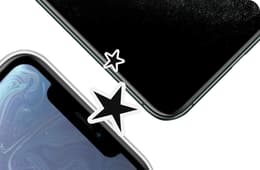
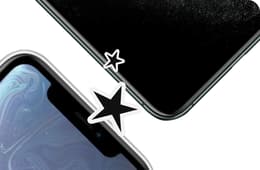
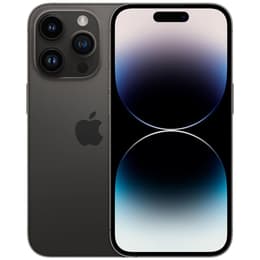
- Smoothness and Features: A key difference is the iPhone 14 Pro's ProMotion technology, offering an adaptive refresh rate up to 120Hz for smoother scrolling and more fluid animations, whereas the iPhone 12 Pro has a standard 60Hz refresh rate. The iPhone 14 Pro also introduces the Dynamic Island, a dynamic area around the front camera and sensors, and an Always-On Display feature.
Resolution
1170 x 2532
1179 x 2556
Screen type
Super Retina XDR OLED
LTPO Super Retina XDR OLED
Audiovisual
For many users, camera capabilities are a significant factor, and the iPhone 14 Pro brings substantial upgrades over its predecessor.
- Main Camera Sensor: The iPhone 14 Pro features a 48-megapixel main camera sensor, a considerable upgrade from the iPhone 12 Pro's 12-megapixel main sensor. This larger sensor allows for greater detail and flexibility in post-processing, especially when shooting in ProRAW.
- Low-Light and Zoom Performance: The iPhone 14 Pro generally excels in low-light conditions, capturing more light and producing clearer images. It also offers improved optical zoom capabilities, including a 3x optical zoom and a 2x optical zoom option by cropping the 48MP sensor, surpassing the iPhone 12 Pro's 2x optical zoom.
- Video and Front Camera: Both devices support 4K video recording, but the iPhone 14 Pro adds features like ProRes video for professional-grade videography. Both models are equipped with a 12-megapixel front-facing camera.
Main camera
12 megapixels
48 megapixels
Front camera
12 megapixels
12 megapixels
Miscellaneous
Beyond core specifications, several practical elements differentiate the user experience between these two iPhone models.
- Connectivity and Ports: Both the iPhone 12 Pro and iPhone 14 Pro support 5G cellular connectivity and utilize the Lightning port for charging and data transfer.
- Physical Design and Handling: The iPhone 14 Pro is slightly heavier and thicker than the iPhone 12 Pro, weighing 206 grams and measuring 7.85mm thick, compared to the 12 Pro's 189 grams and 7.4mm thickness. This difference can impact the in-hand feel for some users.
- Unique Features: The iPhone 14 Pro introduces Emergency SOS via satellite and Crash Detection, offering enhanced safety features not present in the iPhone 12 Pro. Additionally, US models of the iPhone 14 Pro do not include a physical SIM tray, relying solely on eSIM technology.
Weight
187 g
206 g
Screen size (in)
6.1
6.1
Network
5G
5G
SIM card
Physical SIM + eSIM
Physical SIM + eSIM
Carrier compatibility
Unlocked
Unlocked
Connector
Lightning
Lightning
What the community thinks
The iPhone 12 Pro and iPhone 14 Pro both offer robust smartphone experiences, but cater to slightly different user priorities. The iPhone 12 Pro is often praised for its solid overall performance and capable camera system, providing a reliable and familiar Apple experience. Users have noted its enduring design and consistent software updates as strong points. However, some users have reported that its battery life can be a limiting factor for heavy usage, and some early models experienced screen tint issues, though these were often resolvable.
The iPhone 14 Pro, on the other hand, receives acclaim for its significantly upgraded camera system, the fluid 120Hz ProMotion display, and the innovative Dynamic Island interface. Its longer battery life is also a frequently highlighted advantage. Conversely, some users have reported instances of overheating, inconsistent battery performance, and occasional software glitches, particularly in the initial months after its release. The increased weight and larger camera bump have also been mentioned as considerations.
Users prioritizing the latest camera technology, a highly responsive display, and extended software support will find the iPhone 14 Pro well-suited to their needs. Its advanced features like the Dynamic Island and improved low-light photography make it appealing for those who want cutting-edge mobile capabilities. Conversely, users seeking a dependable device for everyday tasks, who appreciate a slightly lighter form factor, and do not require the absolute newest features, may find the iPhone 12 Pro to be a strong contender. Both models are available as quality-assured refurbished options, providing an eco-friendly alternative for consumers.