


iPhone 12 Pro Vs Xiaomi Redmi Note 12 Pro

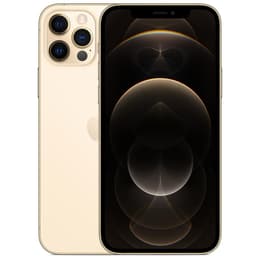
iPhone 12 Pro
iPhone 12 Pro
Starting at

Refurbished price:214.00

Versus €1,039.00 new

See options
Xiaomi Redmi Note 12 Pro
Starting at

Refurbished price:117.48

Versus €399.00 new

See options

Ratings

The iPhone 12 Pro, released in October 2020, and the Xiaomi Redmi Note 12 Pro 5G, launched in late 2022 and early 2023, represent distinct approaches to smartphone design and functionality. While both are capable devices, they cater to different user expectations, primarily differing in their operating systems, camera philosophies, and display technologies. The iPhone operates on Apple's iOS, known for its integrated ecosystem, while the Redmi Note 12 Pro runs on Android, offering greater customisation.

Scores

Durability

When considering the practical lifespan of these devices, several factors come into play, including software support, physical durability, and repairability. The age difference between the two models is a primary consideration for long-term usability.

  • Software Longevity: The iPhone 12 Pro, launched in late 2020, typically receives iOS updates for an extended period, often 5-6 years from its release. It shipped with iOS 14.1 and has seen updates up to iOS 26.1 as of November 2025, indicating continued support. The Redmi Note 12 Pro 5G, released later, generally receives 2 years of major Android updates and 4 years of security updates from its launch. This means the iPhone 12 Pro may offer a longer period of receiving the latest operating system features and security patches.
  • Physical Durability: The iPhone 12 Pro features a Ceramic Shield front cover and a stainless steel frame, contributing to its robust build and offering IP68 water and dust resistance, allowing submersion up to 6 meters for 30 minutes. The Redmi Note 12 Pro 5G uses Corning Gorilla Glass 5 for screen protection and has an IP53 rating, providing resistance against dust and splashes.
  • Expected Practical Lifespan: Both devices are built to last, but the iPhone's longer software support cycle and higher water resistance rating might suggest a slightly longer practical lifespan for users who prioritise the latest software features and maximum environmental protection.

Year of Release

2020

2022

Compatible with latest Update

Yes

No

OS

iOS

Android

Foldable

No

No

Performance

The performance of a smartphone is crucial for daily tasks, from navigating applications to engaging in demanding activities like gaming. Both the iPhone 12 Pro and the Redmi Note 12 Pro 5G offer smooth experiences, though they achieve this through different hardware and software optimisations.

  • System Responsiveness: The iPhone 12 Pro is equipped with a powerful processor that handles demanding applications and multitasking with fluidity. Users can expect quick app loading times and seamless transitions between various tasks. The Redmi Note 12 Pro 5G, powered by a current-generation processor, also delivers a responsive user experience, capable of managing everyday applications and moderate multitasking effectively.
  • Storage and Multitasking: The iPhone 12 Pro offers storage options up to 512GB, providing ample space for a large volume of applications, photos, and videos. Its system is optimised to manage memory efficiently, ensuring smooth multitasking. The Redmi Note 12 Pro 5G comes with storage configurations up to 256GB and includes sufficient RAM to support multiple applications running simultaneously without significant slowdowns.
  • Battery Behavior: The iPhone 12 Pro's battery is designed to provide reliable power for a full day of typical use. The Redmi Note 12 Pro 5G features a larger battery capacity, which, combined with its power-efficient processor, allows for extended usage, with some users reporting up to 1.5 days of use between charges. It also supports faster charging speeds, allowing for quicker power replenishment.

Memory (GB)

6 GB

8 GB

Screen quality

The display is a primary interface for smartphone interaction, and both devices offer vibrant and clear viewing experiences, albeit with some key differences in technology and features.

  • Display Technology and Clarity: The iPhone 12 Pro features a 6.1-inch Super Retina XDR OLED display, delivering deep blacks, vibrant colours, and sharp details with a resolution of 2532x1170 pixels. The Redmi Note 12 Pro 5G boasts a larger 6.67-inch FHD+ Flow AMOLED display with a resolution of 2400x1080 pixels, also offering rich colours and good contrast.
  • Brightness and Refresh Rate: The iPhone 12 Pro provides a typical brightness of 800 nits, peaking at 1200 nits for HDR content, ensuring good visibility in various lighting conditions. Its display operates at a standard 60Hz refresh rate. The Redmi Note 12 Pro 5G offers a higher 120Hz refresh rate, which results in smoother scrolling and more fluid animations, and a peak brightness of 900 nits.
  • Viewing Experience: Users prioritising a more compact device with excellent colour accuracy and HDR capabilities may lean towards the iPhone 12 Pro. Those who prefer a larger, more fluid display for gaming and media consumption will find the Redmi Note 12 Pro 5G's higher refresh rate and screen size appealing.

Resolution

1170 x 2532

1080 x 2400

Screen type

Super Retina XDR OLED

AMOLED

Audiovisual

Both smartphones offer capable camera systems designed to capture high-quality images and videos, though they approach photography with different sensor configurations and processing philosophies.

  • Rear Camera System: The iPhone 12 Pro features a versatile triple 12MP camera system, including Ultra Wide, Wide, and Telephoto lenses. It excels in computational photography, offering features like Night mode portraits enabled by a LiDAR Scanner and HDR video recording with Dolby Vision up to 60fps. The Redmi Note 12 Pro 5G comes with a triple camera setup featuring a 50MP main sensor with Optical Image Stabilisation (OIS), an 8MP ultra-wide lens, and a 2MP macro lens. The OIS on its main sensor assists in capturing clearer images, especially in lower light.
  • Photography Performance: The iPhone 12 Pro is known for its consistent image quality across its lenses, producing detailed photos with natural colour reproduction in various conditions. The Redmi Note 12 Pro 5G's 50MP main camera captures detailed images, and its OIS helps in reducing blur. However, user feedback sometimes indicates that the ultra-wide and macro lenses may not match the quality of the main sensor.
  • Video Recording and Audio: Both devices are capable of recording 4K video at 30fps and 60fps. The iPhone 12 Pro's Dolby Vision HDR video recording offers enhanced dynamic range. For audio, the iPhone 12 Pro provides clear microphone quality for calls and stereo recording for videos. The Redmi Note 12 Pro 5G features dual stereo speakers and supports Dolby Atmos, enhancing the media consumption experience.

Main camera

12 megapixels

50 megapixels

Front camera

12 megapixels

16 megapixels

Miscellaneous

Beyond core performance and display, several practical features and design elements contribute to the overall user experience of a smartphone.

  • Connectivity and Ports: Both devices support 5G connectivity, Wi-Fi 6, and Bluetooth 5.0 (iPhone 12 Pro) or 5.2 (Redmi Note 12 Pro 5G), ensuring fast wireless communication. The iPhone 12 Pro uses Apple's proprietary Lightning port. In contrast, the Redmi Note 12 Pro 5G features a USB-C port for charging and data transfer, and notably, includes a 3.5mm headphone jack, which is absent on the iPhone.
  • Biometric Security: The iPhone 12 Pro relies on Face ID for secure facial recognition. The Redmi Note 12 Pro 5G offers a side-mounted fingerprint sensor and AI Face Unlock for biometric authentication.
  • Design and Handling: The iPhone 12 Pro has a premium feel with its stainless steel frame and Ceramic Shield front, weighing 187 grams. The Redmi Note 12 Pro 5G also weighs 187 grams and features a sleek design with Gorilla Glass 5 protection. Its dimensions are slightly larger due to its bigger screen.

Weight

187 g

187 g

Width

7.15 cm

76 cm

Height

14.67 cm

162,9 cm

Depth

0.74 cm

7,9 cm

Screen size (in)

6.1

6.67

Network

5G

5G

SIM card

Physical SIM + eSIM

Dual Physical SIM

Carrier compatibility

Unlocked

Unlocked

Connector

Lightning

USB-C

User feedback for the iPhone 12 Pro often highlights its robust and consistent camera performance, particularly its video capabilities with Dolby Vision HDR, and the overall smooth and integrated iOS experience. Its premium build quality and long-term software support are also frequently praised. Some users, however, might desire a higher refresh rate display or faster charging speeds, which are areas where newer devices have advanced.

The Xiaomi Redmi Note 12 Pro 5G receives commendation for its vibrant 120Hz AMOLED display, offering a fluid visual experience, and its impressive battery life coupled with rapid charging. The main camera's performance, especially with OIS, is generally well-regarded for its segment. Criticisms sometimes point to the auxiliary cameras (ultra-wide and macro) not matching the main sensor's quality, and some users may find the MIUI software experience less refined than other Android interfaces.

Users prioritising a highly polished software ecosystem, consistent camera performance across all lenses, and a compact, premium build with extended software support may find the iPhone 12 Pro well-suited to their needs. Conversely, individuals who value a larger, high-refresh-rate display, exceptional battery endurance with fast charging, and the flexibility of the Android operating system, along with a dedicated headphone jack, may lean towards the Redmi Note 12 Pro 5G. Both devices offer compelling features, and choosing between them often comes down to these specific user priorities. For those seeking a quality-assured refurbished option, both models are available, providing an eco-friendly alternative to purchasing new.


See all articles

Our recent comparisons