
iPhone

Compare models
Differences at a glance
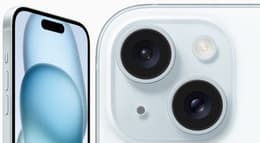
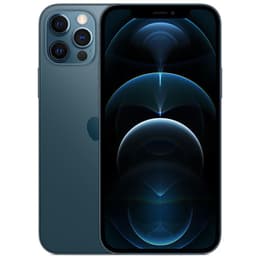
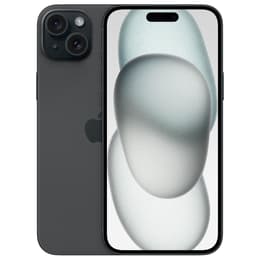
The iPhone 12 Pro, released in October 2020, and the iPhone 15 Plus, launched in September 2023, represent different generations within Apple's smartphone lineup. While both devices operate on the iOS ecosystem, the iPhone 15 Plus introduces a larger display, enhanced camera capabilities, a more modern charging port, and a newer processor. These distinctions cater to varying user preferences and needs, reflecting advancements over a three-year period.
Colour
Storage
The practical lifespan of a smartphone is influenced by its release date, software support, and physical construction.
Year of Release
Compatible with latest Update
OS
Foldable
Performance differences between these two models stem primarily from their respective internal components and battery capacities.
The visual experience on these devices is shaped by their display technology, size, and brightness capabilities.
Resolution
Screen type
The camera systems on these iPhones offer distinct capabilities for photography and videography.
Main camera
Front camera
Beyond core features, several practical elements differentiate the user experience between these two iPhone models.
Weight
Screen size (in)
Network
SIM card
Carrier compatibility
Connector
Choosing between the iPhone 12 Pro and the iPhone 15 Plus involves weighing the benefits of a more recent model against the capabilities of an earlier, still-performing device. User feedback for the iPhone 12 Pro often highlights its robust camera system, premium stainless steel design, and the reliable performance of its processor. Some users noted that its battery life, while adequate, could be improved compared to its direct predecessor.
The iPhone 15 Plus, on the other hand, receives considerable praise for its exceptional battery life, with many users reporting it easily lasts through a full day of heavy use and often longer. Its larger display and the introduction of the Dynamic Island are also frequently cited as significant improvements. The transition to USB-C is a practical advantage for many, offering broader compatibility with other electronic devices.
Users prioritizing a more compact device with a dedicated telephoto lens and LiDAR capabilities might find the iPhone 12 Pro well-suited to their needs. Conversely, users who value a larger display, significantly extended battery life, the latest advancements in computational photography, and the convenience of a universal USB-C charging port will likely lean towards the iPhone 15 Plus. Both devices offer a quality experience within the Apple ecosystem, and opting for a quality-assured refurbished option can be an eco-friendly alternative for either model.