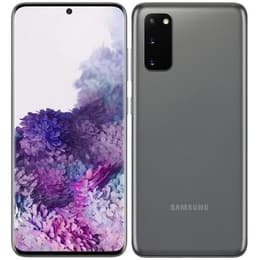
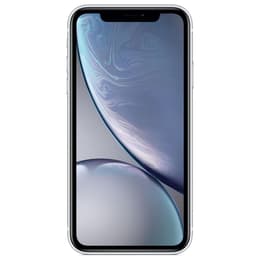


Galaxy S20 Vs iPhone XR

Galaxy S20
Galaxy S20
Starting at

Refurbished price:193.00

Versus €909.00 new

See options
iPhone XR
iPhone XR
Starting at

Refurbished price:121.00

Versus €439.00 new

See options

Ratings

The Samsung Galaxy S20, released in March 2020, and the Apple iPhone XR, launched in October 2018, represent different approaches to smartphone design and functionality from their respective release years. While both devices offer a comprehensive smartphone experience, the Galaxy S20 features a more advanced display and a versatile multi-camera system, whereas the iPhone XR emphasizes a streamlined user experience within the iOS ecosystem. Both phones operate on distinct software platforms, Android for the S20 and iOS for the XR, influencing their long-term software support and user interface.

Scores

Durability

The practical lifespan of a smartphone is influenced by its release timeline, software support, and repairability. The Galaxy S20, being a 2020 device, and the iPhone XR, from 2018, have different trajectories in these aspects.

  • Software Updates: The Galaxy S20 launched with Android 10 and received major operating system updates up to Android 13. Its security updates officially concluded around March 2025. In contrast, the iPhone XR, initially running iOS 12, received major iOS updates through iOS 17 or 18, and as of early 2026, it continues to receive security updates, extending its functional longevity.
  • Repairability: The standard Samsung Galaxy S20 has a repairability score of 7 out of 10, indicating that components like the battery and screen cables are relatively accessible, though adhesive is used for the back cover and battery. The iPhone XR holds an iFixit repairability score of 6 out of 10, with its modular display making screen replacements more straightforward.
  • Expected Lifespan: Users considering either device should note that the Galaxy S20's major software support has concluded, while the iPhone XR still benefits from ongoing security patches, potentially offering a slightly longer period of secure usage for those prioritizing software longevity.

Year of Release

2020

2018

Compatible with latest Update

No

Yes

OS

Android

iOS

Foldable

No

No

Performance

Performance in daily use is a key consideration, encompassing how smoothly applications run, how efficiently the battery manages power, and the device's overall responsiveness.

  • Processor Capabilities: The Galaxy S20 is equipped with a processor that, at its release, delivered strong performance for demanding applications and multitasking, ensuring a fluid experience. The iPhone XR, powered by its A12 Bionic chip, continues to handle everyday tasks and many modern applications smoothly, though it may show its age with the most graphically intensive games or complex editing tasks compared to newer devices.
  • Battery Behavior: The Galaxy S20 features a 4000 mAh battery, which generally provides a full day of use, though enabling its high refresh rate display can lead to more frequent charging. The iPhone XR, with a 2942 mAh battery, is often noted for its efficient power management, with many users reporting it can comfortably last through a full day, sometimes outperforming more power-hungry models of its generation.
  • Storage and Responsiveness: The Galaxy S20 typically offers 128GB of internal storage, expandable via microSD, and comes with ample RAM for efficient multitasking. The iPhone XR is available with 64GB, 128GB, or 256GB of non-expandable storage and 3GB of RAM, which, combined with iOS optimization, provides a responsive user experience for typical usage patterns.

Memory (GB)

8 GB

3 GB

Screen quality

The visual experience on a smartphone is largely defined by its display technology, resolution, and refresh rate, which differ between these two models.

  • Display Technology and Resolution: The Samsung Galaxy S20 features a 6.2-inch Dynamic AMOLED 2X display with a resolution of 1440x3200 pixels, offering deep blacks, vibrant colors, and high clarity. The iPhone XR utilizes a 6.1-inch Liquid Retina IPS LCD display with a resolution of 828x1792 pixels, known for its accurate color reproduction and good viewing angles, though it does not achieve the same contrast levels as an OLED panel.
  • Refresh Rate and Brightness: A notable difference is the refresh rate; the Galaxy S20 supports a 120Hz refresh rate, which provides smoother scrolling and more fluid animations, enhancing the overall visual fluidity. The iPhone XR operates at a standard 60Hz refresh rate. Both devices offer sufficient brightness for comfortable outdoor viewing in most conditions.
  • Viewing Experience: Users prioritizing a highly detailed, high-contrast display with exceptionally smooth motion will find the Galaxy S20's screen more advanced. Those who value consistent color accuracy and a pleasant viewing experience for everyday content will find the iPhone XR's LCD panel to be a capable option.

Resolution

1440 x 3200

828 x 1792

Screen type

Dynamic AMOLED 2X

Liquid Retina IPS LCD

Audiovisual

Camera capabilities are a significant factor for many users, and these two devices offer distinct photographic experiences.

  • Rear Camera System: The Samsung Galaxy S20 boasts a versatile triple-camera setup, including a 12-megapixel wide lens, a 64-megapixel telephoto lens, and a 12-megapixel ultrawide lens. This configuration allows for a range of photographic options, including optical zoom and ultrawide shots, and supports 8K video recording. The iPhone XR features a single 12-megapixel wide-angle camera. While it produces good quality photos in well-lit conditions, it lacks the versatility of multiple lenses and advanced features like a dedicated Night Mode found in newer devices.
  • Photography Performance: The Galaxy S20 is praised for its detailed images, strong low-light performance, and the flexibility offered by its multiple lenses and zoom capabilities. The iPhone XR delivers consistent and natural-looking photos for everyday use, with good dynamic range, but its low-light performance is less robust compared to the S20.
  • Video Recording and Audio: Both phones are capable of recording 4K video, with the S20 offering up to 8K. The Galaxy S20 generally provides a more comprehensive video recording suite. For audio, both devices offer stereo speakers, providing a good media consumption experience, and capable microphones for calls and recordings.

Main camera

12 megapixels

12 megapixels

Front camera

10 megapixels

7 megapixels

Miscellaneous

Beyond core features, several practical elements contribute to the overall user experience, including connectivity, physical design, and security features.

  • Connectivity and Ports: The Samsung Galaxy S20 supports 5G connectivity, Wi-Fi 6, and Bluetooth 5.0, offering faster data speeds and more modern wireless standards. It features a USB-C port for charging and data transfer. The iPhone XR supports 4G LTE, Wi-Fi 5, and Bluetooth 5.0, and uses Apple's proprietary Lightning port.
  • Biometric Security: The Galaxy S20 incorporates an ultrasonic in-display fingerprint sensor and supports face unlock for secure access. The iPhone XR relies solely on Face ID for biometric authentication, utilizing its TrueDepth camera system.
  • Design and Handling: The Galaxy S20 measures 151.7 x 69.1 x 7.9 mm and weighs 163g, offering a relatively compact and lightweight design with a glass front and back and an aluminum frame. The iPhone XR is slightly wider and heavier at 150.9 x 75.7 x 8.3 mm and 194g, also featuring a glass and aluminum construction. Both devices offer a premium feel, with the S20 being slightly more slender.

Weight

163 g

194 g

Screen size (in)

6.2

6.1

Network

4G

4G

SIM card

Dual Physical SIM

Physical SIM + eSIM

Carrier compatibility

Unlocked

Unlocked

Connector

USB-C

Lightning

When evaluating the Samsung Galaxy S20 and the iPhone XR, user feedback often highlights distinct strengths for each device. The Galaxy S20 is frequently praised for its advanced display, particularly its 120Hz refresh rate and vibrant AMOLED panel, which users find enhances scrolling and visual content. Its versatile camera system, with multiple lenses and zoom capabilities, also receives positive remarks for offering more creative flexibility. Some users, however, noted that the 120Hz refresh rate could impact battery life.

The iPhone XR, despite its older release date, is consistently lauded for its reliable performance and excellent battery life, often exceeding expectations for its class. Its single camera is generally considered capable for everyday photography, producing natural-looking images, though some users express a desire for more advanced features like a dedicated Night Mode or a telephoto lens. The iPhone XR's long-term software support, particularly ongoing security updates, is also a common point of appreciation.

Users prioritizing a cutting-edge display, a highly versatile camera system, and 5G connectivity may find the Samsung Galaxy S20 better suited to their needs. Its more modern specifications offer a more feature-rich experience. Conversely, individuals who value consistent performance, robust battery endurance, and a streamlined operating system with extended security updates might lean towards the iPhone XR. Both devices, when considered as quality-assured refurbished options, present an eco-friendly alternative for consumers seeking reliable technology without purchasing new. The choice ultimately depends on whether a user prioritizes display and camera versatility or consistent performance and software longevity.


See all articles

Our recent comparisons






