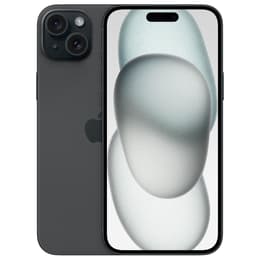

Compare models
Google Pixel 9a Vs iPhone 15 Plus
- 1-year minimum warranty
- Free delivery on all orders
- Free 30-day returns
Differences at a glance
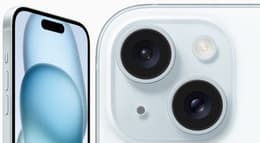
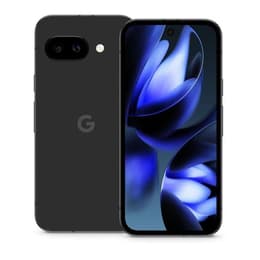
The Google Pixel 9a (2025) and the Apple iPhone 15 Plus (2023) represent two distinct approaches to modern smartphone engineering, combining mid-range accessibility with large-screen versatility. While they run on competing operating systems and cater to different hardware ecosystems, both devices offer spacious displays and reliable everyday functionality. Choosing between them largely depends on personal preference regarding software ecosystems, screen dimensions, and day-to-day interaction styles.
Available Models
Colour
Storage (GB)
Scores
Durability
When evaluating longevity and everyday durability, both smartphones feature robust construction standards designed to withstand years of regular use while supporting extended software updates.
- Software longevity and update support: The Google Pixel 9a benefits from an extended software commitment, offering multi-year operating system upgrades and security patches, whereas the iPhone 15 Plus follows Apple's long-standing tradition of multi-year support cycles.
- Build quality and repairs: Both models utilize IP68 dust and water resistance ratings alongside strengthened exterior glass, though user experiences indicate that availability of official repair infrastructure varies by region depending on the chosen operating system ecosystem.
- Expected practical lifespan: Thanks to capable processing hardware and ample baseline memory, both devices are well-equipped to remain functional and responsive for several years of typical ownership.
Year of Release
2025
2023
Compatible with latest Update
Yes
Yes
OS
Android
iOS
Foldable
No
No
Performance
Performance capabilities vary slightly based on hardware optimization, with each device handling multitasking, storage configurations, and daily workloads through distinct architectural methods.
- System responsiveness and multitasking: Both smartphones handle demanding mobile applications, web browsing, and switching between multiple open programs smoothly, supported by efficient background memory management.
- Battery endurance and daily behavior: The Google Pixel 9a features a high-capacity battery designed to easily push through heavy daily use, while the iPhone 15 Plus utilizes hardware-level power efficiency to deliver strong screen-on times for media consumption and web browsing.
- Storage capacity configurations: Both models provide flexible storage tiers starting at baseline capacities suitable for media libraries, applications, and documents without requiring immediate cloud expansion.
Screen quality
Display characteristics differ notably in screen dimensions and refresh rate behavior, impacting how users experience text clarity, video playback, and outdoor visibility.
- Display technology and visual clarity: The Google Pixel 9a utilizes an OLED panel with a high refresh rate supporting smooth scrolling, while the iPhone 15 Plus features a larger Super Retina XDR OLED screen configured with a standard refresh rate.
- Outdoor legibility and brightness: Both screens reach high peak brightness levels, ensuring that text and images remain easily readable under direct sunlight or bright ambient lighting conditions.
- Screen dimensions and viewing experience: The iPhone 15 Plus offers a noticeably larger workspace suited for viewing media and reading documents, whereas the Pixel 9a provides a slightly more compact form factor that balances screen estate with easier one-handed reach.
Resolution
2424 x 1080
1290 x 2796
Audiovisual
Imaging hardware and audio-visual outputs are tailored to capture everyday moments reliably while supporting high-resolution video recording and clear media playback.
- Rear camera capabilities: Both devices employ dual-lens rear camera configurations featuring high-resolution main sensors and ultra-wide options, delivering detailed landscape and close-up photography across varying lighting conditions.
- Video recording performance: Users can record stable, high-definition video clips with effective stabilization features built directly into both operating systems for clear motion capture.
- Audio output and media consumption: Built-in stereo speaker systems on both models provide clear vocal projection and balanced sound output suitable for hands-free calls, podcasts, and casual video viewing.
Front camera
13 megapixels
12 megapixels
Miscellaneous
Practical daily usability elements such as connectivity protocols, port standards, and physical dimensions shape how each device fits into travel and lifestyle routines.
- Connectivity and physical ports: Both smartphones adopt universal USB-C charging standards alongside modern 5G connectivity and fast Wi-Fi protocols for rapid data transfers.
- Biometric security sensors: Authentication methods differ, with the Google Pixel 9a utilizing facial recognition and fingerprint scanning, while the iPhone 15 Plus relies on facial mapping technology.
- Physical dimensions and handling: The Google Pixel 9a offers a lighter chassis that reduces hand fatigue during extended reading sessions, whereas the iPhone 15 Plus presents a wider, heavier footprint to accommodate its larger display panel.
Weight
186 g
201 g
Screen size (in)
6.3
6.7
Network
5G
5G
SIM card
Physical SIM + eSIM
Physical SIM + eSIM
Carrier compatibility
Unlocked
Unlocked
Connector
USB-C
USB-C
What the community thinks
User feedback from online communities highlights distinct preferences for each device based on everyday habits and software ecosystem choices. Owners of the Google Pixel 9a frequently praise its lightweight handling, reliable battery longevity, and clean software interface. Conversely, users of the iPhone 15 Plus often emphasize satisfaction with its expansive screen real estate, robust build materials, and seamless integration with other Apple devices. Common discussions sometimes note that the fixed storage limits on both models require mindful digital management over time.
Users prioritizing a lighter physical footprint, flexible biometric options, and high display refresh rates may prefer the Google Pixel 9a. Meanwhile, users prioritizing a larger viewing area, distinct ecosystem continuity, and spacious media consumption find the iPhone 15 Plus well-suited to their needs. Eco-conscious shoppers seeking a quality-assured refurbished option will find that both models offer sustainable alternatives to buying brand new.
Ultimately, selecting between these two smartphones depends entirely on whether personal workflows align more closely with Android flexibility or iOS integration, ensuring a satisfying user experience regardless of the final choice.