

Compare models

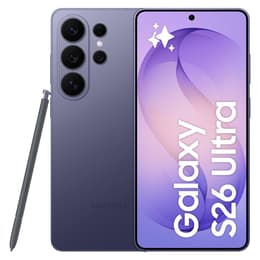
Galaxy S26 Ultra Vs iPhone 16e

  • 1-year minimum warranty
  • Free delivery on all orders
  • Free 30-day returns
Galaxy S26 Ultra
Starting at

Refurbished price:923.00

Versus €1,449.00 new

See options
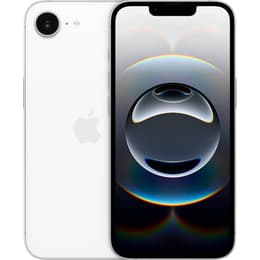
iPhone 16e
Starting at

Refurbished price:416.00

Versus €719.00 new

See options

Differences at a glance

The Samsung Galaxy S26 Ultra (2026) and the Apple iPhone 16e (2025) represent two distinct approaches to modern smartphone design, catering to users with very different preferences in ecosystems and hardware footprints. While the Galaxy S26 Ultra functions as a large-screen Android flagship equipped with extensive productivity tools, the iPhone 16e serves as a streamlined iOS device focused on core capabilities.

Operating on different software platforms—Android and iOS respectively—these devices offer unique interfaces, customization options, and ecosystem integrations that shape the daily user experience.

Available Models

Colour

Storage (GB)

Scores

Durability

Both smartphones are built to remain functional for years, though their software support lifecycles and physical durability profiles differ based on their release timelines and design philosophies.

  • Software support timelines: The Galaxy S26 Ultra benefits from an extended multi-year update commitment covering numerous major operating system upgrades, whereas the iPhone 16e follows Apple's standard long-term support schedule for iOS releases.
  • Build materials and physical resilience: The Galaxy S26 Ultra incorporates rugged armor aluminum framing and robust glass protection, while the iPhone 16e utilizes a lightweight aluminum enclosure with certified water and dust resistance.
  • Expected practical lifespan: Both devices feature current-generation internal components and ample memory configurations, ensuring they maintain reliable performance and responsiveness over extended periods of daily ownership.

Year of Release

2026

2025

OS

Android

iOS

Foldable

No

No

Performance

Handling demanding tasks, multitasking, and power efficiency vary between the two models due to their distinct hardware configurations and software optimizations.

  • Everyday responsiveness and multitasking: Both devices load apps instantly, switch between multiple open programs smoothly, and handle graphic-intensive mobile games without noticeable stuttering or thermal throttling during extended use.
  • Battery behavior: The Galaxy S26 Ultra houses a high-capacity power cell designed to easily sustain heavy full-day usage, while the iPhone 16e relies on an efficient processor and optimized software to deliver dependable battery longevity throughout standard daily routines.
  • Storage configurations: Both handsets offer multiple internal storage tiers to accommodate large media libraries, document collections, and applications without requiring external expansion cards.

Screen quality

Display characteristics define the visual interaction for each device, balancing screen estate, panel technology, and viewing comfort.

  • Display technology and clarity: The Galaxy S26 Ultra features an expansive OLED panel with ultra-high resolution and deep contrast levels, while the iPhone 16e utilizes a compact OLED screen delivering sharp text and rich colors for everyday media viewing.
  • Outdoor visibility: Both screens reach high peak brightness thresholds, ensuring that text, menus, and media remain clearly legible when viewed under direct sunlight.
  • Visual smoothness: The Galaxy S26 Ultra supports a high refresh rate for fluid scrolling through menus, while the iPhone 16e employs a standard refresh rate optimized for steady visual stability and battery conservation.

Resolution

1440 x 3120

2532x1170

Audiovisual

Multimedia capture and audio playback capabilities reflect each manufacturer's approach to mobile photography and entertainment.

  • Camera system versatility: The Galaxy S26 Ultra provides a multi-lens rear array including dedicated zoom capabilities for distant subjects, whereas the iPhone 16e focuses on a streamlined single-lens high-resolution main camera setup for crisp everyday snapshots.
  • Low-light and video performance: Both devices capture clear images in challenging lighting conditions and record stable high-definition video with effective background noise reduction.
  • Audio output: Integrated stereo speaker systems on both models deliver balanced sound output for hands-free calls, podcasts, and casual media consumption.

Front camera

12.0

TrueDepth 12MP

Miscellaneous

Practical daily usability elements such as connectivity standards, physical dimensions, and security authentication shape how each phone fits into a user's routine.

  • Connectivity and ports: Both models support fast 5G cellular networks, modern Wi-Fi protocols, and universal USB-C connectivity for charging and data transfer.
  • Security and authentication: The Galaxy S26 Ultra provides an under-display biometric fingerprint scanner alongside facial recognition, while the iPhone 16e utilizes facial recognition technology exclusively.
  • Handling and dimensions: The Galaxy S26 Ultra offers a larger physical footprint suited for productivity and media immersion, whereas the iPhone 16e features a lighter, more compact body that is easy to operate with one hand.

Weight

214 g

167 g

Screen size (in)

6.9

6.1

Network

5G

5G

SIM card

Physical SIM + eSIM

eSIM

Carrier compatibility

Unlocked

Unlocked

Connector

USB-C

USB-C

What the community thinks

User feedback from online communities highlights distinct preferences for each device. Owners of the Galaxy S26 Ultra frequently praise its expansive display, versatile multi-lens camera system, and reliable battery capacity, though some note its larger physical size can feel cumbersome for one-handed use. Conversely, users of the iPhone 16e appreciate its lightweight handling, straightforward operating system, and dependable everyday performance, while occasionally mentioning a desire for more diverse camera focal lengths.

Users prioritizing a large screen, advanced productivity features, and extensive zoom photography may prefer the Galaxy S26 Ultra, while users seeking a compact, streamlined iOS device for daily communication will find the iPhone 16e well-suited to their needs. For consumers exploring sustainable technology habits, opting for a quality-assured refurbished option through platforms like Back Market provides an eco-friendly alternative that extends device lifecycles without compromising on reliability. Ultimately, the right choice depends entirely on individual workflow preferences and ecosystem familiarity.