

iPhone 16 Pro Max Vs Xiaomi Redmi Note 14 4G

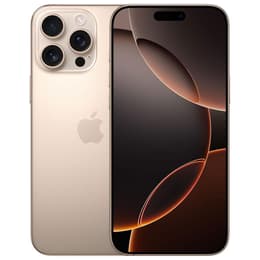
iPhone 16 Pro Max
iPhone 16 Pro Max
Starting at

Refurbished price:821.00

Versus €1,489.00 new

See options
Xiaomi Redmi Note 14 4G
Starting at

Refurbished price:162.00

Versus €229.99 new

See options

Ratings

The iPhone 16 Pro Max, released in September 2024, and the Xiaomi Redmi Note 14 4G, launched in January 2025, represent distinct approaches to smartphone design and functionality. While both are contemporary devices, they cater to different user expectations, primarily differing in their operating systems and overall feature sets. The iPhone operates on Apple's iOS, known for its integrated ecosystem, whereas the Redmi Note 14 4G runs on Android with Xiaomi's HyperOS overlay, offering a more customizable experience.

Scores

Durability

When considering the long-term usability of these devices, their release timelines and software support policies are key factors. The iPhone 16 Pro Max, a flagship device, typically benefits from an extended period of software updates, while the Redmi Note 14 4G, a more accessible option, has also committed to a notable update schedule.

  • Software Longevity: The iPhone 16 Pro Max, released in September 2024, comes with iOS 18 and is expected to receive major iOS updates for many years, potentially up to 6-7 years, ensuring access to new features and security enhancements well into the future. The Redmi Note 14 4G, launched in January 2025 with Android 14 and HyperOS, is slated to receive four Android OS upgrades and six years of security updates, which is a significant commitment for its category.
  • Physical Durability: The iPhone 16 Pro Max features a Ceramic Shield front and a titanium frame, contributing to its robust build and offering IP68 dust and water resistance, allowing submersion up to 6 meters for 30 minutes. The Redmi Note 14 4G incorporates Gorilla Glass 5 for screen protection and has an IP54 rating, providing splash and dust protection, suitable for everyday encounters with moisture.
  • Practical Lifespan: Both devices are designed for sustained use, but the iPhone's longer software support and premium build materials generally suggest a longer practical lifespan for users who prioritize the latest software features and maximum resilience. However, the Redmi Note 14 4G's extended update policy makes it a compelling option for users seeking a device that remains secure and functional for several years.

Year of Release

2024

2025

Foldable

No

No

Performance

The performance capabilities of the iPhone 16 Pro Max and the Xiaomi Redmi Note 14 4G reflect their different design philosophies, impacting how smoothly they handle various tasks from everyday browsing to demanding applications.

  • Processing Power: The iPhone 16 Pro Max is equipped with a current-generation A-series chip, designed to deliver exceptional speed and efficiency for complex applications, intensive gaming, and advanced computational tasks. The Redmi Note 14 4G utilizes a MediaTek Helio G99 Ultra processor, which provides reliable performance for daily activities, multitasking, and casual gaming.
  • System Responsiveness: Users of the iPhone 16 Pro Max can expect fluid navigation, rapid app launches, and seamless transitions, even with multiple demanding applications running simultaneously, supported by its ample RAM. The Redmi Note 14 4G offers a responsive experience for general use, though it may exhibit more noticeable delays when handling very resource-intensive applications or extensive multitasking compared to its premium counterpart.
  • Storage and Multitasking: The iPhone 16 Pro Max offers generous storage options up to 1TB, paired with substantial RAM, ensuring ample space for files and efficient handling of numerous open applications. The Redmi Note 14 4G comes with storage configurations up to 256GB and sufficient RAM for typical user needs, allowing for a comfortable multitasking experience within its segment.

Memory (GB)

8 GB

6 GB

Screen quality

The visual experience on both smartphones is a significant differentiator, with each device offering distinct display technologies and characteristics that cater to varying user preferences and viewing environments.

  • Display Technology and Clarity: The iPhone 16 Pro Max features a 6.9-inch Super Retina XDR OLED display, providing deep blacks, vibrant colors, and sharp detail with a high pixel density. The Redmi Note 14 4G comes with a 6.67-inch AMOLED panel, which also delivers rich colors and good contrast, with a resolution that ensures clear visuals for everyday content.
  • Brightness and Smoothness: The iPhone 16 Pro Max's display boasts a 120Hz ProMotion adaptive refresh rate for exceptionally smooth scrolling and responsiveness, alongside high peak brightness levels that ensure excellent visibility even in bright outdoor conditions. The Redmi Note 14 4G also offers a 120Hz refresh rate for a fluid visual experience and a peak brightness of 1800 nits, making it well-suited for outdoor use.
  • Viewing Experience: The iPhone 16 Pro Max's larger screen and minimal bezels provide an expansive and immersive viewing area, ideal for media consumption and detailed work. The Redmi Note 14 4G's display offers a comfortable viewing experience for general media and browsing, with its AMOLED technology enhancing visual appeal.

Resolution

1320 x 2868

1080x2400

Audiovisual

The camera systems on the iPhone 16 Pro Max and the Xiaomi Redmi Note 14 4G are designed with different priorities, leading to distinct capabilities in photography and video recording.

  • Rear Camera Capabilities: The iPhone 16 Pro Max features a versatile triple-camera system, including a 48 MP main sensor, a 48 MP ultrawide lens, and a 12 MP telephoto lens with 5x optical zoom, excelling in various lighting conditions and offering advanced photographic features. The Redmi Note 14 4G is equipped with a 108 MP main camera, which performs well in good lighting, alongside 2 MP macro and 2 MP depth sensors. It notably lacks an ultrawide camera.
  • Photography Performance: The iPhone 16 Pro Max delivers high-quality images with excellent detail, dynamic range, and color accuracy, particularly strong in low-light scenarios and offering professional-grade features. The Redmi Note 14 4G's main camera captures detailed and well-exposed photos in adequate light, though its performance in low-light conditions and the utility of its secondary lenses are more limited.
  • Video Recording and Audio: The iPhone 16 Pro Max supports 4K Dolby Vision video recording at high frame rates, offering advanced stabilization and audio capture for professional-looking results. The Redmi Note 14 4G records video at 1080p, providing decent quality for casual use, and features stereo speakers with Dolby Atmos for an enhanced audio experience.

Miscellaneous

Beyond core performance, several practical elements contribute to the overall user experience, including connectivity, physical design, and additional features that enhance daily interaction with the devices.

  • Connectivity and Ports: The iPhone 16 Pro Max supports 5G connectivity and the latest Wi-Fi 7 standard, along with Bluetooth 5.3, and features a USB-C port for charging and data transfer. The Redmi Note 14 4G offers 4G connectivity, Wi-Fi 5, Bluetooth 5.3, and includes a USB-C port, a 3.5mm headphone jack, NFC for mobile payments, and an IR blaster for controlling home appliances.
  • Design and Handling: The iPhone 16 Pro Max features a premium titanium design, contributing to its solid feel, and has a larger form factor with a weight of 227 grams. The Redmi Note 14 4G has an aluminum frame and plastic back, weighing 196.5 grams, offering a comfortable grip with its flat edges.
  • Security and Sensors: Both devices incorporate modern security features. The iPhone 16 Pro Max relies on Face ID for secure authentication. The Redmi Note 14 4G includes an in-display fingerprint sensor and supports face unlock.

Weight

227 g

196 g

Screen size (in)

6.9

6.67

Network

5G

4G

SIM card

Physical SIM + eSIM

Physical SIM + eSIM

Carrier compatibility

Unlocked

Unlocked

The iPhone 16 Pro Max and the Xiaomi Redmi Note 14 4G cater to different segments of the smartphone market, each excelling in areas important to their target users. User feedback for the iPhone 16 Pro Max often highlights its exceptional battery life, powerful performance, and high-quality display and camera system. Some users, however, find its size to be substantial, and initial sentiments noted that some advanced AI features were not fully optimized at launch.

The Redmi Note 14 4G receives praise for its vibrant AMOLED display, long-lasting battery, and capable main camera in well-lit conditions. Common criticisms include the absence of an ultrawide camera, the limited utility of its secondary macro and depth sensors, and its 1080p video recording limitation. Despite these, it is generally regarded as a strong contender within its category.

Users prioritizing a top-tier mobile experience with cutting-edge performance, advanced camera capabilities, and a long software support window may find the iPhone 16 Pro Max well-suited to their needs. Conversely, individuals seeking a device that offers a strong balance of essential features, a good display, and extended software support for everyday tasks, without the need for the most demanding applications or professional-grade photography, might lean towards the Xiaomi Redmi Note 14 4G. Both devices are available as quality-assured refurbished options, providing an eco-friendly alternative for consumers.

See all articles

Our recent comparisons