

iPhone 11 Pro Vs iPhone 12 Pro Max

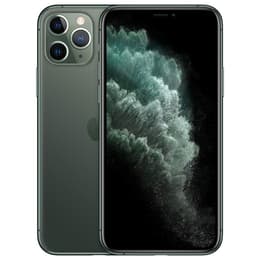
iPhone 11 Pro
iPhone 11 Pro
Starting at

Refurbished price:183.00

Versus €809.00 new

See options
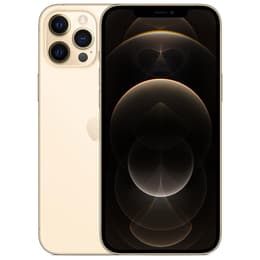
iPhone 12 Pro Max
iPhone 12 Pro Max
Starting at

Refurbished price:260.00

Versus €1,139.00 new

See options

Ratings

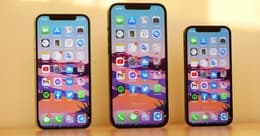
The iPhone 11 Pro, released in September 2019, and the iPhone 12 Pro Max, launched in November 2020, represent two generations of Apple's premium smartphone offerings. While both devices operate on Apple's iOS ecosystem, the iPhone 12 Pro Max introduced a larger display, enhanced camera capabilities, and next-generation connectivity, building upon the solid foundation of its predecessor.

Scores

Durability

When considering the longevity of these devices, several factors come into play, including software support and physical durability.

  • Software Longevity: The iPhone 11 Pro is expected to receive major iOS updates until approximately 2026, with iOS 26 likely being its final major version, followed by security updates for an additional year or two. The iPhone 12 Pro Max, being a year newer, is anticipated to receive major iOS updates until around 2027, extending its software lifespan by an additional year. [11, 35, 39, 40]
  • Repairability: Both models received a repairability score of 6 out of 10 from iFixit, indicating a moderate ease of repair for certain components. [3, 15, 37, 41] However, the iPhone 12 Pro Max introduced new restrictions where certain repairs, particularly for cameras and screens, might require Apple's proprietary software configuration for full functionality, potentially complicating third-party repairs. [34]
  • Physical Durability: The iPhone 11 Pro features a glass back and a stainless steel frame. The iPhone 12 Pro Max introduced a Ceramic Shield front cover, which offers improved drop performance compared to previous models, alongside a textured matte glass back and a stainless steel design. [6, 17, 29] Both devices carry an IP68 rating for dust and water resistance. [1, 4, 7, 29]

Year of Release

2019

2020

Compatible with latest Update

Yes

Yes

OS

iOS

iOS

Foldable

No

No

Performance

The performance of a smartphone is crucial for daily tasks, from app usage to demanding multimedia applications.

  • Processing Power: The iPhone 11 Pro is equipped with a capable processor that handles everyday applications and multitasking smoothly, providing a responsive user experience. The iPhone 12 Pro Max features a newer generation processor, offering increased speed and efficiency for more demanding applications, complex gaming, and intensive video editing tasks. [2, 4, 5, 6, 7, 8, 10, 17, 28]
  • Multitasking and Storage: The iPhone 11 Pro comes with 4GB of RAM, which supports efficient multitasking for most users. The iPhone 12 Pro Max includes 6GB of RAM, providing additional headroom for running multiple applications simultaneously and managing larger files more effectively. [2, 6, 7, 8, 10, 28] Storage options for the iPhone 11 Pro start at 64GB, while the iPhone 12 Pro Max begins with 128GB, offering more base storage for content and applications. [4, 5, 6, 8, 10, 17, 28, 41]
  • Battery Behavior: The iPhone 11 Pro has a 3046 mAh battery, which users generally found to provide a full day of use. [2, 5, 7, 10, 21, 28] The iPhone 12 Pro Max, with its larger physical size, accommodates a 3687 mAh battery, often resulting in extended usage times, even with the demands of its larger display and 5G connectivity. [3, 6, 8, 19, 27, 29, 32]

Memory

4 GB

6 GB

Screen quality

The visual experience is a key differentiator, with both models featuring high-quality displays.

  • Display Technology and Size: Both the iPhone 11 Pro and iPhone 12 Pro Max feature Super Retina XDR OLED displays, known for deep blacks, vibrant colors, and excellent contrast. [10, 12, 17, 18, 22, 29] The iPhone 11 Pro has a 5.8-inch display, offering a compact viewing experience. [2, 7, 10, 14, 28] The iPhone 12 Pro Max boasts a significantly larger 6.7-inch display, providing an expansive canvas for media consumption and productivity. [4, 6, 8, 17, 18, 22, 29]
  • Resolution and Brightness: Both displays offer a pixel density of approximately 458 pixels per inch (ppi), ensuring sharp and clear visuals. [4, 7, 10, 29] They also achieve a typical maximum brightness of 800 nits and a peak brightness of 1200 nits for HDR content, ensuring good visibility in various lighting conditions. [10, 12, 17, 18, 22, 29]
  • Refresh Rate: Both the iPhone 11 Pro and iPhone 12 Pro Max feature a standard 60Hz refresh rate. [12, 22, 31, 38] While some contemporary devices offer higher refresh rates for smoother scrolling, the fast response time of the OLED panels and efficient processing on both iPhones contribute to a fluid user experience for most applications. [12, 22]

Resolution

1125 x 2436

1284 x 2778

Screen type

Super Retina XDR OLED

Super Retina XDR OLED

Audiovisual

Both devices offer advanced camera systems, but the newer model introduces notable enhancements.

  • Triple Camera System: Both the iPhone 11 Pro and iPhone 12 Pro Max feature a versatile triple 12MP camera system, including Ultra Wide, Wide, and Telephoto lenses. [1, 2, 4, 7, 16, 18, 29] This setup allows for a range of photographic perspectives, from expansive landscapes to zoomed-in shots.
  • Low-Light Performance and Stabilization: The iPhone 11 Pro introduced Night mode, significantly improving low-light photography. [1, 2] The iPhone 12 Pro Max further enhances low-light performance with a larger sensor on its Wide camera, allowing it to capture more light. [3, 19] Additionally, the iPhone 12 Pro Max incorporates sensor-shift optical image stabilization on its Wide camera, which stabilizes the sensor itself rather than just the lens, leading to improved stability in photos and videos, particularly in challenging conditions. [19]
  • Video Capabilities and Features: Both models support 4K video recording at up to 60 frames per second with extended dynamic range. [1, 16, 26, 27] The iPhone 12 Pro Max distinguishes itself with the ability to record HDR video with Dolby Vision, offering enhanced color depth and contrast. [17, 18, 19, 23, 27, 36] It also features a LiDAR scanner, which aids in faster autofocus in low light and enables more accurate augmented reality experiences. [6, 17, 29]

Main camera

12 megapixels

12 megapixels

Front camera

12 megapixels

12 megapixels

Miscellaneous

Beyond core features, several practical elements contribute to the overall user experience of these smartphones.

  • Connectivity: The iPhone 11 Pro supports Wi-Fi 6 (802.11ax) and Bluetooth 5.0. [7, 28] The iPhone 12 Pro Max builds on this by adding 5G connectivity, enabling faster cellular data speeds in supported areas, alongside Wi-Fi 6 and Bluetooth 5.0. [4, 6, 17, 18, 29]
  • Physical Design and Handling: The iPhone 11 Pro has a more rounded frame and measures 144 x 71.4 x 8.1 mm, weighing 188 grams. [1, 2, 10, 14, 28] The iPhone 12 Pro Max features a flatter-edged design and is larger and heavier at 160.8 x 78.1 x 7.4 mm and 228 grams, which can impact one-handed use for some individuals. [4, 6, 17, 18, 29]
  • Additional Features: Both devices utilize the Lightning port for charging and data transfer. The iPhone 12 Pro Max introduced MagSafe, a magnetic system for attaching accessories and chargers, enhancing convenience for users. [6, 17, 18, 36, 41] Both models rely on Face ID for secure authentication. [2, 4, 7]

Weight

188 g

226 g

Screen size (in)

5.8

6.7

Network

4G

5G

SIM card

Physical SIM + eSIM

Physical SIM + eSIM

Carrier compatibility

Unlocked

Unlocked

Connector

Lightning

Lightning

The iPhone 11 Pro and iPhone 12 Pro Max both offer robust smartphone experiences, each excelling in different areas based on their release timelines. Users frequently praise the iPhone 11 Pro for its balanced size, strong battery life, and capable camera system, which was a significant upgrade at its release. Some common criticisms for the 11 Pro might revolve around its slightly older processor and the absence of 5G connectivity compared to newer models.

The iPhone 12 Pro Max is often lauded by users for its expansive display, advanced camera features—especially its improved low-light performance and video stabilization—and the inclusion of 5G. [3, 19, 22, 23, 27, 32] However, its larger size and increased weight are sometimes noted as potential drawbacks for users preferring a more compact device. [19]

Users prioritizing a more compact form factor and a still-excellent camera system for everyday photography and video will find the iPhone 11 Pro well-suited to their needs. Conversely, users who value a larger display for media consumption, require the latest in mobile photography and videography capabilities, or benefit from 5G connectivity will likely lean towards the iPhone 12 Pro Max. Both devices continue to offer reliable performance and access to the extensive iOS app ecosystem. For those seeking an eco-friendly alternative, quality-assured refurbished options for both models are available, providing a sustainable choice for extending the life of these devices.


See all articles

Our recent comparisons