

iPhone 12 Pro Max Vs iPhone 15

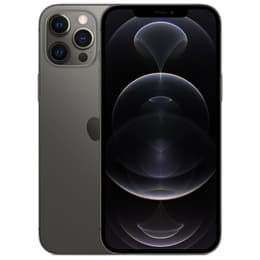
iPhone 12 Pro Max
iPhone 12 Pro Max
Starting at

Refurbished price:246.00

Versus €1,139.00 new

See options
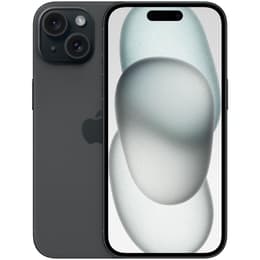
iPhone 15
iPhone 15
Starting at

Refurbished price:396.00

Versus €879.00 new

See options

Ratings

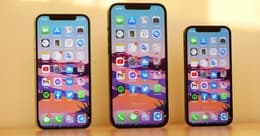
The iPhone 12 Pro Max, released in late 2020, and the iPhone 15, launched in late 2023, represent different generations within Apple's smartphone lineup. While both devices operate on Apple's iOS ecosystem, the iPhone 15 introduces a more modern design, an updated camera system, and enhanced internal components, setting it apart from the larger, older Pro Max model.

Scores

Durability

When considering the practical lifespan of these devices, several factors come into play, including their release timelines, software support, and physical durability.

  • Release Timeline and Age: The iPhone 12 Pro Max was released in November 2020, making it a device from an earlier generation. The iPhone 15, on the other hand, was released in September 2023, positioning it as a much newer model. This three-year difference in release directly impacts their expected software longevity.
  • OS Support and Software Longevity: Apple typically provides iOS updates for 5-6 years from a device's release. The iPhone 15, being newer, will receive software updates for a significantly longer period than the iPhone 12 Pro Max, ensuring access to the latest features and security patches for more years.
  • Durability Features: Both models feature Apple's Ceramic Shield front cover, which was introduced with the iPhone 12 series, offering improved drop performance compared to older iPhone glass. The iPhone 12 Pro Max has a stainless steel frame, contributing to its robust feel. The iPhone 15 features an aluminum design with a color-infused glass back and contoured edges. Both devices carry an IP68 rating for splash, water, and dust resistance.
  • Repairability: The iPhone 15 has seen improvements in repairability compared to previous generations, with iFixit initially giving it a 7/10 score, though some sources later reported a 4/10 for the Pro Max variant due to part serialization challenges. The iPhone 12 series generally received lower repairability scores, around 4/10.

Performance

The performance of a smartphone is largely determined by its internal processing capabilities, battery efficiency, and storage architecture.

  • Processor Capabilities: The iPhone 15 features a newer generation processor, which provides a notable increase in speed and efficiency compared to the processor in the iPhone 12 Pro Max. This translates to faster app loading times, smoother multitasking, and more fluid performance in demanding applications and games on the iPhone 15.
  • Battery Behavior: The iPhone 12 Pro Max, with its larger physical size, houses a substantial battery, offering extended usage times for many users. The iPhone 15, despite its smaller form factor, benefits from a more power-efficient processor and optimized software, contributing to all-day battery life for typical use. Users of the iPhone 15 may experience up to 3 additional hours of video playback compared to the iPhone 12 series.
  • Storage Options and Responsiveness: Both devices offer various storage configurations, typically ranging from 128GB to 512GB. The newer internal storage components and faster processing in the iPhone 15 contribute to quicker data access and overall system responsiveness, making interactions feel more immediate.

Memory (GB)

6 GB

6 GB

Screen quality

The visual experience on a smartphone is heavily influenced by its display technology, resolution, and brightness capabilities.

  • Display Technology and Clarity: Both the iPhone 12 Pro Max and iPhone 15 feature Super Retina XDR OLED displays, delivering deep blacks, high contrast, and vibrant colors. The iPhone 12 Pro Max has a 6.7-inch display with a resolution of 2778 x 1284 pixels at 458 ppi. The iPhone 15 features a 6.1-inch display with a resolution of 2556 x 1179 pixels at 460 ppi.
  • Brightness Levels: The iPhone 12 Pro Max offers a typical maximum brightness of 800 nits and a peak HDR brightness of 1200 nits. The iPhone 15 significantly improves upon this, offering a typical maximum brightness of 1000 nits, a peak HDR brightness of 1600 nits, and an impressive peak outdoor brightness of 2000 nits, making it easier to view content in bright sunlight.
  • Refresh Rate and Viewing Experience: Both models feature a standard 60Hz refresh rate. While both provide a smooth viewing experience for everyday tasks, the iPhone 15 introduces the Dynamic Island, a feature that integrates alerts and background activities into an interactive area at the top of the display, enhancing the user interface.

Audiovisual

The camera systems on both iPhones are designed to capture high-quality images and videos, though the newer model incorporates significant advancements.

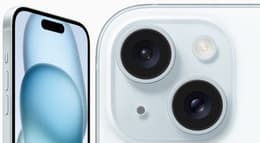
  • Main Camera System: The iPhone 12 Pro Max features a triple 12MP camera system, including wide, ultra-wide, and telephoto lenses, with sensor-shift optical image stabilization on the wide lens. The iPhone 15 boasts an advanced dual-camera system with a 48MP main camera and a 12MP ultra-wide camera. The 48MP main sensor on the iPhone 15 allows for super-high-resolution photos and enables a 2x telephoto option by cropping the sensor, effectively offering three optical zoom levels.
  • Low-Light and Everyday Photography: The iPhone 12 Pro Max was noted for its improved low-light performance compared to its predecessors, especially with its larger sensor on the wide camera. The iPhone 15, with its larger main sensor and advanced computational photography (Photonic Engine, Deep Fusion, Smart HDR 5), delivers significantly better low-light performance, capturing more detail and less noise in challenging conditions. Users report more accurate colors and improved dynamic range in the iPhone 15's photos.
  • Video Recording Quality: Both devices support 4K video recording at up to 60 frames per second with HDR video recording with Dolby Vision. The iPhone 15 offers enhanced video capabilities, including Cinematic mode up to 4K HDR at 30 fps and improved stabilization.
  • Front Camera: Both models feature a 12MP front-facing camera. The iPhone 15's front camera benefits from autofocus with Focus Pixels and improved computational photography features, leading to sharper selfies and better video calls.

Miscellaneous

Beyond core performance and display, several practical elements differentiate these two iPhone models, impacting daily usability and future compatibility.

  • Connectivity Options: Both the iPhone 12 Pro Max and iPhone 15 support 5G connectivity, Wi-Fi 6, and NFC. The iPhone 15 features Bluetooth 5.3, an upgrade from the Bluetooth 5.0 in the iPhone 12 Pro Max, offering potentially more stable and efficient wireless connections.
  • Port Types: A significant difference is the charging and data port. The iPhone 12 Pro Max uses Apple's proprietary Lightning port. The iPhone 15 transitions to a USB-C connector, aligning with a more universal standard and allowing for charging and data transfer with a wider range of devices.
  • Sensors and Biometrics: Both devices utilize Face ID for secure facial recognition. The iPhone 12 Pro Max includes a LiDAR scanner for improved augmented reality experiences and faster autofocus in low light. The iPhone 15 introduces a second-generation Ultra Wideband chip for enhanced spatial awareness and Precision Finding for compatible accessories.
  • Weight and Dimensions: The iPhone 12 Pro Max is a larger and heavier device, measuring 160.8 x 78.1 x 7.4 mm and weighing 228 grams. The iPhone 15 is more compact and lighter, with dimensions of 147.6 x 71.6 x 7.8 mm and a weight of 171 grams. This difference impacts one-handed usability and pocketability.

Screen size (in)

6.7

6.1

Network

5G

5G

SIM card

Physical SIM + eSIM

Physical SIM + eSIM

Carrier compatibility

Unlocked

Unlocked

The iPhone 12 Pro Max and iPhone 15 cater to different user preferences, largely due to their generational gap and design philosophies. Users often praise the iPhone 12 Pro Max for its large display, robust build quality with a stainless steel frame, and its capable camera system, which was considered top-tier at its release. Its extended battery life, a benefit of its larger size, is also a frequently cited positive. However, some users find its size and weight cumbersome, and its 60Hz display refresh rate is a common point of comparison against newer devices.

The iPhone 15, conversely, receives acclaim for its more modern design, including the interactive Dynamic Island and the versatile USB-C port, which simplifies charging and connectivity. Its significantly upgraded 48MP main camera and enhanced computational photography are major highlights, delivering superior image quality, especially in challenging lighting conditions. The improved brightness of its display and its lighter, more manageable form factor are also frequently appreciated. Criticisms often revolve around the standard 60Hz refresh rate, which remains unchanged from previous non-Pro models.

Users prioritizing a larger screen and a proven, durable design may find the iPhone 12 Pro Max well-suited to their needs. Its established performance and camera capabilities still hold up for many everyday tasks. Conversely, users who value the latest camera technology, a more compact and modern design, longer software support, and the convenience of USB-C will likely lean towards the iPhone 15. For those seeking an eco-friendly alternative, both models are available as quality-assured refurbished options, providing a sustainable choice for either preference.