

Compare models

iPhone 12 Pro Max Vs iPhone 13

  • 1-year minimum warranty
  • Free delivery on all orders
  • Free 30-day returns
iPhone 12 Pro Max
iPhone 12 Pro Max
Starting at

Refurbished price:278.00

Versus €1,139.00 new

See options
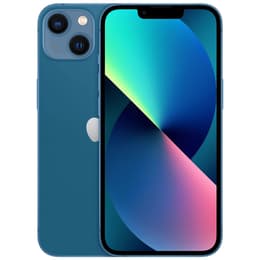
iPhone 13
iPhone 13
Starting at

Refurbished price:230.00

Versus €769.00 new

See options

Differences at a glance

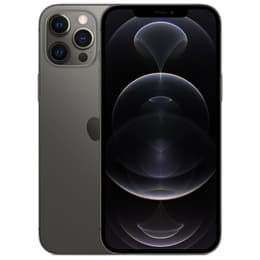
The iPhone 12 Pro Max, released in November 2020, and the iPhone 13, launched in September 2021, are both advanced smartphones from Apple. While the iPhone 12 Pro Max offers a larger display and a more comprehensive camera system with a dedicated telephoto lens, the iPhone 13 features a newer, more efficient processor and introduces enhanced computational photography capabilities. Both devices operate on Apple's iOS platform, ensuring a consistent software experience.

Scores

Durability

When considering the practical lifespan of these devices, several factors come into play, including their release timelines, software support, and repairability.

  • Release Timeline: The iPhone 12 Pro Max was released in November 2020, making it approximately 10 months older than the iPhone 13, which launched in September 2021. This difference in release date directly impacts the duration of future software support.
  • Software Longevity: Both models receive regular iOS updates, which typically extend for several years from their release. The iPhone 13, being the newer device, is expected to receive software updates for a longer period, potentially one additional year compared to the iPhone 12 Pro Max, ensuring access to the latest features and security enhancements for a more extended time.
  • Repairability: The iPhone 12 Pro Max initially received an iFixit repairability score of 6 out of 10, indicating a moderate ease of repair for certain components. The iPhone 13 initially scored lower at 5 out of 10 due to complexities with screen replacements affecting Face ID, but this was later improved to 6 out of 10 with an iOS 15.2 update. Both devices feature a Ceramic Shield front cover, designed to enhance drop performance.

Year of Release

2020

2021

Compatible with latest Update

Yes

Yes

OS

iOS

iOS

Foldable

No

No

Performance

The performance of a smartphone is largely determined by its internal processing capabilities and how efficiently it manages power and applications.

  • Processing Power: The iPhone 13 is equipped with a newer generation processor compared to the iPhone 12 Pro Max. This translates to improved overall system responsiveness, faster app loading times, and more efficient handling of demanding applications and multitasking. Users engaging in intensive mobile gaming or complex video editing will likely notice the benefits of the iPhone 13's more advanced chip.
  • Battery Behavior: The iPhone 12 Pro Max features a larger battery capacity, offering up to 20 hours of video playback. The iPhone 13, while having a slightly smaller battery capacity, benefits from a more power-efficient processor and optimized software, resulting in up to 19 hours of video playback. In typical use cases, both devices are designed to provide a full day of power for most users, though heavy usage may require more frequent charging.
  • Storage Options: Both the iPhone 12 Pro Max and iPhone 13 offer identical storage configurations, starting at 128GB and extending to 256GB and 512GB. This provides ample space for applications, photos, videos, and other digital content, catering to users with varying storage needs.

Memory (GB)

6 GB

4 GB

Screen quality

The visual experience on a smartphone is heavily influenced by its display technology, resolution, and overall brightness.

  • Display Technology and Size: Both devices feature Super Retina XDR OLED displays, known for their deep blacks, high contrast ratios, and vibrant color reproduction. The iPhone 12 Pro Max offers a larger 6.7-inch display, providing a more expansive viewing area for media consumption and productivity. The iPhone 13 has a 6.1-inch display, offering a more compact form factor.
  • Resolution and Clarity: The iPhone 12 Pro Max has a resolution of 2778 by 1284 pixels at 458 pixels per inch (ppi), while the iPhone 13 features a resolution of 2532 by 1170 pixels at 460 ppi. Both displays offer excellent clarity and sharpness for text and images, appearing perfectly sharp at typical viewing distances.
  • Brightness and Refresh Rate: Both models achieve a peak brightness of 1200 nits for HDR content, ensuring excellent visibility for high-dynamic-range videos and photos. The typical maximum brightness for both is 800 nits. Both displays operate at a standard 60Hz refresh rate, providing smooth scrolling and animations for everyday use.

Resolution

1284 x 2778

1170 x 2532

Screen type

Super Retina XDR OLED

Super Retina XDR OLED

Audiovisual

The camera systems on both the iPhone 12 Pro Max and iPhone 13 offer advanced photography and videography capabilities, though with different strengths.

  • Rear Camera System: The iPhone 12 Pro Max features a triple 12MP camera system, including Ultra Wide, Wide, and Telephoto lenses. Its Wide camera includes sensor-shift optical image stabilization and a larger sensor for improved low-light performance, along with a 2.5x optical zoom telephoto lens and a LiDAR scanner for enhanced depth sensing and Night mode portraits. The iPhone 13 features a dual 12MP camera system with Wide and Ultra Wide lenses. Its Wide camera also benefits from sensor-shift optical image stabilization and a larger sensor, capable of gathering more light than its predecessor, leading to better low-light photos.
  • Computational Photography and Video: The iPhone 13 introduces Cinematic Mode, which allows for automatic depth-of-field adjustments in videos, and Photographic Styles for personalized image tuning. It also features Smart HDR 4 for improved dynamic range in photos. Both devices support HDR video recording with Dolby Vision at up to 60 frames per second.
  • Front Camera: Both models are equipped with a 12MP TrueDepth front camera, supporting features like Portrait mode, Night mode, and 4K video recording.

Main camera

12 megapixels

12 megapixels

Front camera

12 megapixels

12 megapixels

Miscellaneous

Beyond core features, practical elements like connectivity, physical design, and security mechanisms contribute to the overall user experience.

  • Connectivity and Ports: Both the iPhone 12 Pro Max and iPhone 13 support 5G cellular connectivity, Wi-Fi 6, and Bluetooth 5.0, ensuring fast and reliable wireless communication. Both devices utilize the Lightning port for charging and data transfer.
  • Security and Sensors: Both smartphones rely on Face ID for secure facial recognition and authentication. They also include standard sensors such as an accelerometer, gyroscope, proximity sensor, ambient light sensor, and barometer. The iPhone 12 Pro Max additionally features a LiDAR scanner, which enhances augmented reality experiences and improves autofocus in low-light conditions.
  • Dimensions and Build Materials: The iPhone 12 Pro Max is a larger and heavier device, measuring 160.8 mm in height, 78.1 mm in width, and 7.4 mm in depth, weighing 228 grams. It features a stainless steel frame and a textured matte glass back. The iPhone 13 is more compact and lighter, with dimensions of 146.7 mm in height, 71.5 mm in width, and 7.65 mm in depth, weighing 174 grams. It uses an aluminum frame and a glass back. Both models have a Ceramic Shield front cover for enhanced durability and an IP68 rating for water and dust resistance.

Weight

226 g

173 g

Screen size (in)

6.7

6.1

Network

5G

5G

SIM card

Physical SIM + eSIM

Physical SIM + eSIM

Carrier compatibility

Unlocked

Unlocked

Connector

Lightning

Lightning

What the community thinks

Choosing between the iPhone 12 Pro Max and the iPhone 13 involves weighing priorities related to screen size, camera capabilities, and overall portability. Users often praise the iPhone 12 Pro Max for its expansive display, which is well-suited for media consumption and those who prefer a larger screen for productivity. Its comprehensive camera system, including the telephoto lens and LiDAR scanner, is frequently highlighted for its versatility in various photographic scenarios, particularly for those who value optical zoom and advanced depth sensing.

Conversely, the iPhone 13 is often lauded for its more compact and lighter design, making it easier to handle and carry. Its newer processor provides a noticeable boost in everyday performance and efficiency, which is beneficial for users who prioritize speed and responsiveness. The iPhone 13's camera system, while lacking a telephoto lens, introduces advanced computational photography features like Cinematic Mode and Photographic Styles, which are popular for creative video and personalized image capture.

Ultimately, users prioritizing a larger display and a dedicated telephoto camera for diverse photography needs may find the iPhone 12 Pro Max a suitable choice. Those who prefer a more portable device with a newer, more efficient processor and advanced video features might lean towards the iPhone 13. Both devices offer a robust smartphone experience, and considering a quality-assured refurbished option for either model can be an eco-friendly alternative to purchasing new.