
iPhone

Compare models
Differences at a glance
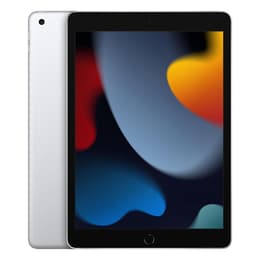
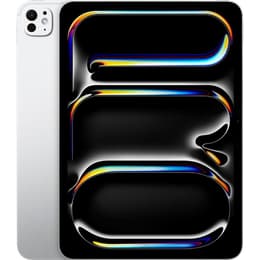
The iPad (2021), also known as the 9th generation iPad, was released in September 2021, offering a reliable and accessible tablet experience. In contrast, the iPad Pro (2024), launched in May 2024, represents Apple's latest professional-grade tablet, featuring significant advancements in performance and display technology. Both devices operate on iPadOS, but they cater to distinct user needs, primarily differentiated by their processing power, screen capabilities, and overall design philosophy.
Colour
Storage
When considering the longevity of a tablet, both hardware durability and software support are key factors. The iPad (2021) and iPad Pro (2024) offer different timelines for expected usability.
Year of Release
Compatible with latest Update
OS
Maximum Operating System supported
The performance capabilities of these two iPads vary significantly, reflecting their intended uses and the generational gap in their internal components.
Processor
The visual experience on these two tablets presents a clear distinction, primarily due to advancements in display technology.
Resolution
True Tone
Pro-Motion
Screen type
Pixel density
Brightness
Speakers
While tablets are not typically primary photography devices, both models offer capable camera systems for various uses, with the iPad Pro (2024) featuring more advanced capabilities.
Beyond core performance and display, several practical elements contribute to the overall user experience of these two tablets.
Weight
Width
Height
Depth
Screen size (in)
Network
Carrier compatibility
Wi-Fi technology
Bluetooth Version
Face ID
Touch ID
Connector
The iPad (2021) and iPad Pro (2024) serve different segments of the tablet market, each excelling in its own right. The iPad (2021) is frequently praised for its solid performance for everyday tasks, its bright and clear display, and its capable front-facing camera with Center Stage, making it a reliable choice for general use. However, some users note its dated design, the continued use of the Lightning port, and a display that is not fully laminated as areas where it shows its age.
Conversely, the iPad Pro (2024) receives widespread acclaim for its stunning Ultra Retina XDR OLED display, which offers unparalleled contrast and brightness, and its exceptionally powerful processor, capable of handling the most demanding creative and professional applications. Its thin and light design, coupled with advanced accessories like the Apple Pencil Pro, further enhances its appeal for power users. Some user feedback suggests that the immense power of the M4 chip might be considered overkill for the current capabilities of iPadOS, implying that many users may not fully utilize its potential in daily tasks.
Users prioritizing a cost-effective tablet for web browsing, media consumption, note-taking, and light productivity will find the iPad (2021) well-suited to their needs. It remains a strong option for students or those seeking a dependable device without requiring top-tier performance. On the other hand, users who demand the absolute best in display technology, cutting-edge performance for professional creative work, advanced multitasking, and a future-proof device will lean towards the iPad Pro (2024). This includes graphic designers, video editors, and anyone who uses their tablet as a primary work tool. For those seeking an eco-friendly alternative, both models are often available as quality-assured refurbished options, providing a sustainable choice for acquiring these devices.