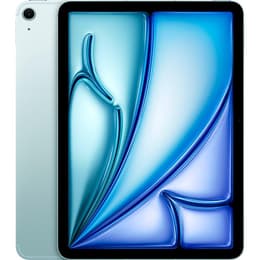
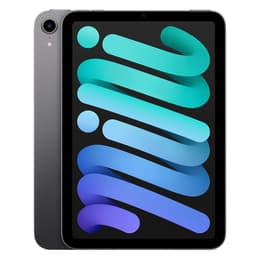


iPad Air 6 (2024, M2 series) Vs iPad mini 6 (2021, A15 series)

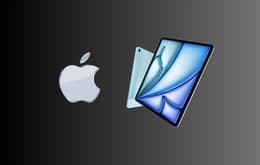
iPad Air 6 (2024, M2 series)
Starting at

Refurbished price:400.00

Versus €729.00 new

See options
iPad mini 6 (2021, A15 series)
Starting at

Refurbished price:313.00

Versus €669.00 new

See options

Ratings

The iPad Air (M2) released in 2024 and the iPad Mini (6th generation) from 2021 are two distinct tablets from Apple, each designed to cater to different user preferences and needs. While both run on Apple's iPadOS, they diverge significantly in terms of size, processing power, and overall user experience. The iPad Air (M2) offers a larger display and a more powerful processor, positioning it for demanding tasks, whereas the iPad Mini (6th generation) prioritizes portability and a compact form factor.

Scores

Durability

When considering the longevity of these devices, several factors come into play, primarily their release dates and the typical duration of software support from Apple.

  • Release Timeline: The iPad Air (M2) was released in May 2024, making it a much newer device compared to the iPad Mini (6th generation), which launched in September 2021. This difference in release year directly impacts their expected software support lifespan.
  • Software Longevity: Both tablets receive regular iPadOS updates. However, the newer iPad Air (M2) is anticipated to receive software updates for a longer period, likely extending its functional lifespan by several years compared to the iPad Mini (6th generation). The iPad Mini 6 supports iPadOS 18, but lacks support for Apple Intelligence (AI).
  • Build Quality: Both devices feature robust aluminum constructions, contributing to their physical durability. Repairability scores are generally consistent across Apple's tablet lineup, suggesting a similar ease of repair for both models.

Year of Release

2024

2021

Compatible with latest Update

Yes

Yes

OS

iPadOS

iPadOS

Maximum Operating System supported

iPadOS 18

iPadOS 18

Performance

The performance capabilities of the iPad Air (M2) and the iPad Mini (6th generation) are a key differentiator, largely due to their respective processors.

  • Processing Power: The iPad Air (M2) is equipped with a powerful M2 chip, which offers substantial improvements in CPU and GPU performance compared to the A15 Bionic chip found in the iPad Mini (6th generation). This translates to smoother operation for demanding applications, advanced multitasking, and graphics-intensive tasks on the Air. The A15 Bionic in the iPad Mini is still very capable for everyday use, casual gaming, and general productivity.
  • Storage Options: The iPad Air (M2) offers a wider range of storage configurations, starting at 128GB and going up to 1TB, providing more flexibility for users with extensive storage needs. The iPad Mini (6th generation) is available with 64GB or 256GB of internal storage.
  • Battery Behavior: Both devices are designed to provide all-day battery life for typical usage, such as web browsing and video playback. The M2 chip in the Air is known for its power efficiency, contributing to its sustained performance.

Memory (GB)

8 GB

4 GB

Processor

Apple M2

Apple A15 Bionic

Screen quality

The display experience on these two iPads is primarily distinguished by their physical size and brightness capabilities, as both utilize similar display technology.

  • Display Technology and Size: Both the iPad Air (M2) and the iPad Mini (6th generation) feature Liquid Retina IPS LCD displays, offering vibrant colors and sharp visuals. The iPad Air (M2) is available in 11-inch and a larger 13-inch models, providing significantly more screen real estate. In contrast, the iPad Mini (6th generation) has a compact 8.3-inch display, emphasizing portability.
  • Resolution and Clarity: Both tablets offer high pixel densities, resulting in clear and detailed images and text. The larger screens of the iPad Air models provide an expansive canvas for content creation and consumption.
  • Brightness Levels: The 11-inch iPad Air (M2) has a typical brightness of 500 nits, while the 13-inch model can reach 600 nits. The iPad Mini (6th generation) also offers 500 nits of brightness.

Resolution

2360 x 1640

2266 x 1488

True Tone

Yes

Yes

Pro-Motion

No

No

Screen type

Liquid Retina display

Liquid Retina display

Pixel density

264ppp

326ppp

Brightness

500 nits brightness

500 nits brightness

Sound quality

Speakers

Stereo speakers (landscape)

Stereo speakers (landscape)

Audiovisual

The camera systems on both the iPad Air (M2) and the iPad Mini (6th generation) are well-suited for tablet photography and video conferencing, with some notable differences in front camera placement.

  • Camera System Capabilities: Both devices feature a 12MP Wide camera on the rear, capable of capturing detailed photos and 4K video recording. For the front, both have a 12MP Ultra Wide camera with Center Stage, which automatically adjusts to keep subjects in frame during video calls.
  • Front Camera Placement: A key distinction is the placement of the front camera. The iPad Air (M2) features a landscape-oriented front camera, which is more convenient for video calls when the tablet is used with a keyboard or in a stand. The iPad Mini (6th generation)'s front camera is located on the shorter side, which can be less ideal for landscape video calls.
  • Video Recording Quality: Both tablets support 4K video recording at various frame rates, offering good quality for casual video capture and content creation.

Miscellaneous

Beyond core performance and display, several practical features and design elements differentiate the iPad Air (M2) and the iPad Mini (6th generation).

  • Connectivity Options: The iPad Air (M2) supports Wi-Fi 6E and Bluetooth 5.3, offering faster and more stable wireless connections. The iPad Mini (6th generation) includes Wi-Fi 6 and Bluetooth 5.0. Both offer 5G connectivity on cellular models.
  • Port Types: Both devices utilize a USB-C port for charging and accessories. However, the iPad Air (M2)'s USB-C port supports USB 3 (up to 10Gb/s), allowing for faster data transfer speeds and DisplayPort capabilities. The iPad Mini (6th generation) also has a USB-C port, which supports external displays.
  • Stylus Support and Biometrics: The iPad Air (M2) is compatible with the Apple Pencil Pro and Apple Pencil (USB-C). The iPad Mini (6th generation) supports the Apple Pencil (2nd generation) and Apple Pencil (USB-C). Both tablets feature Touch ID integrated into the power button for secure authentication.

Weight

462 g

293 g

Width

17.8 cm

13.48 cm

Height

24 cm

19.54 cm

Depth

0.61 cm

0.63 cm

Screen size (in)

11

8.3

Network

Wi-Fi

Wi-Fi

Carrier compatibility

Without SIM Port

Without SIM Port

Wi-Fi technology

Wi-Fi 6E 802.11ax

Wi-Fi 6 802.11ax

Bluetooth Version

Bluetooth 5.3

Bluetooth 5.0

Face ID

No

No

Touch ID

Yes

Yes

Connector

USB Type-C

USB Type-C

User feedback often highlights the iPad Air (M2) as a versatile and powerful tablet, praised for its performance with demanding applications and its larger screen, which is beneficial for productivity and creative work. Some users, however, note that its 60Hz display refresh rate might feel less fluid compared to devices with higher refresh rates. The iPad Mini (6th generation) is frequently lauded for its exceptional portability and comfortable size for reading and on-the-go tasks. Criticisms sometimes point to its smaller screen for intensive multitasking and the 'jelly scroll' effect experienced by some users in portrait mode.

Users prioritizing a larger display, robust performance for professional applications, and a more expansive canvas for creative endeavors will find the iPad Air (M2) well-suited to their needs. Its M2 chip and larger screen options make it ideal for those who require a powerful and versatile tablet for work, study, or media consumption. Conversely, individuals who value extreme portability, a comfortable reading experience, and a device that can easily fit into smaller bags will likely prefer the iPad Mini (6th generation). It excels as a highly portable companion for casual use, note-taking, and media on the go.

For those seeking a balance of performance and sustainability, considering a quality-assured refurbished option for either model can be an eco-friendly alternative to purchasing new, offering a reliable device while reducing environmental impact.


See all articles

Our recent comparisons