
iPhone

Compare models
Differences at a glance
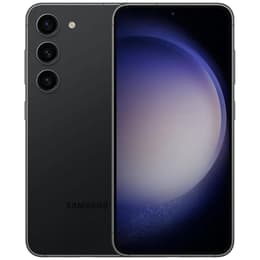
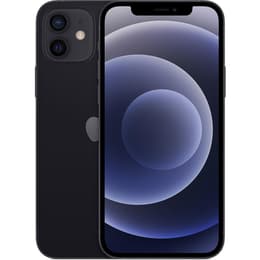
The Samsung Galaxy S23, released in early 2023, and the Apple iPhone 12, launched in late 2020, represent two distinct approaches to smartphone design and functionality. While both devices offer a premium experience, the Galaxy S23 brings more recent advancements in display technology and camera versatility, whereas the iPhone 12 provides a stable and well-supported entry into the iOS ecosystem. Both operate on their respective flagship operating systems, Android for the S23 and iOS for the iPhone 12.
Colour
Storage
When considering the long-term usability of a smartphone, software support and physical resilience are key factors. The Galaxy S23, being a more recent device, generally benefits from a longer projected support window compared to the iPhone 12.
Year of Release
Compatible with latest Update
OS
Foldable
Performance is a critical aspect for daily smartphone use, influencing everything from app responsiveness to multitasking capabilities. The Galaxy S23, with its newer internal components, offers a more advanced performance profile.
The display is a primary interface for any smartphone, and both the Galaxy S23 and iPhone 12 offer high-quality viewing experiences, though with notable differences in technology and features.
Resolution
Screen type
Camera capabilities are a significant consideration for many users, and both devices offer competent systems for capturing photos and videos, albeit with different strengths and features.
Main camera
Front camera
Beyond core features, several practical elements contribute to the overall user experience, from how a device connects to other hardware to its physical feel.
Weight
Screen size (in)
Network
SIM card
Carrier compatibility
The Samsung Galaxy S23 and iPhone 12 cater to different user preferences, largely due to their respective operating systems and release timelines. Users often praise the Galaxy S23 for its vibrant 120Hz display, versatile camera system with optical zoom, and strong overall performance for demanding tasks. Criticisms sometimes point to Samsung's image processing, which can lead to oversaturated colors, and occasional inconsistencies with moving subjects in photos.
The iPhone 12 is frequently lauded for its consistent camera performance, particularly in video recording and low-light photography with Night Mode, as well as its durable Ceramic Shield front. Users appreciate its stable iOS experience and the long-term software support Apple provides. Some common concerns include the 60Hz display, which feels less fluid compared to higher refresh rate screens, and the absence of a telephoto lens.
For users prioritizing the latest display technology, a more versatile camera with optical zoom, and the Android ecosystem, the Galaxy S23 may be a more suitable choice. Its newer processor and higher refresh rate offer a noticeably smoother experience. Conversely, individuals who prefer the intuitive iOS platform, consistent camera performance, and a slightly longer history of software updates might lean towards the iPhone 12. Both devices offer robust performance for daily use, and choosing between them often comes down to ecosystem preference and specific feature priorities. Exploring quality-assured refurbished options for either model can be an eco-friendly alternative for those seeking a premium smartphone experience.