

iPad 7 (2019, A10 series) Vs iPad Air 4 (2020, A14 series)

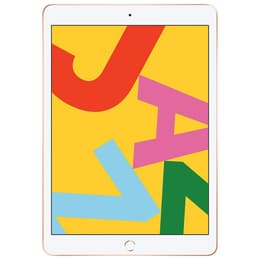
iPad 7 (2019, A10 series)
Starting at

Refurbished price:114.00

Versus €399.00 new

See options
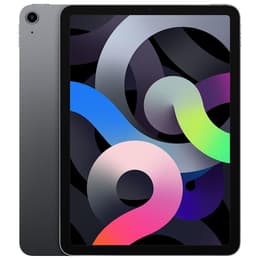
iPad Air 4 (2020, A14 series)
Starting at

Refurbished price:273.00

Versus €679.00 new

See options

Ratings

The iPad 2019 (7th generation) and the iPad Air 2020 (4th generation) are two distinct tablet offerings from Apple, released in September 2019 and October 2020, respectively. While both run on Apple's iPadOS, the iPad Air 2020 introduces a more modern design, a significantly more powerful internal processor, and enhanced accessory support, setting it apart from the more entry-level iPad 2019.

Scores

Durability

When considering the practical lifespan of these tablets, several factors come into play, including their release timelines and Apple's typical software support cycles.

  • Release Timeline: The iPad 2019 was released in September 2019, while the iPad Air 2020 followed in October 2020. This one-year difference means the iPad Air 2020 benefits from a longer potential period of software updates.
  • OS Support Duration: The iPad 2019 is capable of running iPadOS versions up to iPadOS 18. The iPad Air 2020, being a newer device with a more advanced processor, is expected to receive software updates for at least five years from its release, potentially extending its functional life further.
  • Repairability: Both iPad models, like many modern tablets, are generally not designed for easy user repair. Professional repair services are typically required for internal components, with some iPad Air models receiving low repairability scores due to extensive use of adhesive and complex internal layouts.

Year of Release

2019

2020

Compatible with latest Update

Yes

Yes

OS

iPadOS

iPadOS

Maximum Operating System supported

iPadOS 18

iPadOS 18

Performance

The performance capabilities of these two iPads differ notably, primarily due to their internal processing units, impacting how smoothly they handle various tasks.

  • Processor Capabilities: The iPad 2019 is equipped with a capable processor that handles everyday tasks, web browsing, and casual gaming smoothly. The iPad Air 2020 features a more advanced processor, delivering a substantial increase in speed and efficiency. This translates to quicker app loading, more fluid multitasking, and superior performance in demanding applications and graphically intensive games.
  • Storage Options: The iPad 2019 was available with 32GB or 128GB of internal storage. The iPad Air 2020 offers higher base storage and a larger maximum capacity, with options for 64GB or 256GB, providing more room for apps, media, and files.
  • Battery Behavior: Both models are designed to provide up to 10 hours of web surfing on Wi-Fi or video playback on a single charge under typical usage conditions. Actual battery life can vary based on usage patterns and display brightness.

Memory (GB)

3 GB

4 GB

Processor

Apple A10 Fusion

Apple A14 Bionic

Screen quality

The visual experience on these two iPads presents some key differences, particularly in display technology and overall design.

  • Display Technology and Size: The iPad 2019 features a 10.2-inch Retina IPS LCD display. The iPad Air 2020 upgrades to a 10.9-inch Liquid Retina IPS LCD, offering a slightly larger viewing area within a similar physical footprint due to reduced bezels. Both displays provide vibrant colors and wide viewing angles characteristic of IPS technology.
  • Resolution and Clarity: Both tablets maintain a pixel density of 264 pixels per inch (ppi), ensuring sharp text and clear images for reading, browsing, and media consumption. The iPad 2019 has a resolution of 2160 x 1620 pixels, while the iPad Air 2020 has a slightly higher resolution of 2360 x 1640 pixels to accommodate its larger screen size.
  • Brightness and Features: Both models offer 500 nits of brightness, making them suitable for indoor and outdoor use, though direct sunlight can still pose challenges. The iPad Air 2020 further benefits from True Tone technology, which adjusts the display's color temperature to match ambient light, and P3 wide color support, offering a broader range of colors for more accurate and vivid content display. The iPad Air 2020 also features a fully laminated display with an anti-reflective coating, which can improve the viewing experience by reducing reflections and making the screen appear closer to the surface.

Resolution

2160 x 1620

2360 x 1640

True Tone

No

Yes

Pro-Motion

No

No

Screen type

Retina display

Liquid Retina display

Pixel density

264ppp

264ppp

Brightness

500 nits brightness

500 nits brightness

Sound quality

Speakers

Stereo speakers

Stereo speakers

Audiovisual

The camera systems on the iPad 2019 and iPad Air 2020 cater to different levels of photography and video needs, reflecting the advancements made between their release years.

  • Rear Camera Capabilities: The iPad 2019 includes an 8-megapixel rear camera with an f/2.4 aperture, suitable for casual photos and document scanning. The iPad Air 2020 features an upgraded 12-megapixel wide rear camera with a wider f/1.8 aperture, offering improved image quality, especially in varied lighting conditions. This newer model also supports Smart HDR for photos and 4K video recording, providing more detail and dynamic range in both stills and videos.
  • Front Camera Performance: The iPad 2019 has a 1.2-megapixel front-facing camera, which is adequate for video calls and basic selfies. The iPad Air 2020 features a 7-megapixel front-facing camera, offering significantly better clarity and detail for video conferencing and self-portraits.
  • Audio Experience: Both models feature stereo speakers, providing a decent audio experience for media consumption. The iPad Air 2020 also includes improved microphones for clearer audio during calls and recordings.

Miscellaneous

Beyond core performance and display, several practical elements differentiate these two iPad models, influencing their versatility and user experience.

  • Connectivity Options: The iPad 2019 supports Wi-Fi 802.11ac and Bluetooth 4.2. The iPad Air 2020 features more advanced Wi-Fi 6 (802.11ax) and Bluetooth 5.0, offering faster and more reliable wireless connections.
  • Port Types: The iPad 2019 utilizes Apple's proprietary Lightning port for charging and accessories, and retains a 3.5mm headphone jack. The iPad Air 2020 adopts a more universal USB-C port, enabling broader compatibility with external accessories like monitors, cameras, and storage devices, though it removes the headphone jack.
  • Biometrics and Accessories: The iPad 2019 uses Touch ID integrated into the traditional home button for secure authentication. It supports the first-generation Apple Pencil and Apple's Smart Keyboard. The iPad Air 2020 relocates Touch ID to the top power button, allowing for a more expansive display. It supports the second-generation Apple Pencil, which offers magnetic attachment and wireless charging, and is compatible with the Magic Keyboard and Smart Keyboard Folio for a more laptop-like experience.
  • Design and Dimensions: The iPad 2019 has a more traditional iPad design with thicker bezels and dimensions of 250.6 x 174.1 x 7.5 mm and a weight of 483g (Wi-Fi). The iPad Air 2020 features a more modern, all-screen design with slimmer bezels, measuring 247.6 x 178.5 x 6.1 mm and weighing 458g (Wi-Fi), making it slightly thinner and lighter.

Weight

483 g

460 g

Width

17.41 cm

17.85 cm

Height

25.06 cm

24.76 cm

Depth

0.75 cm

0.61 cm

Screen size (in)

10.2

10.9

Network

Wi-Fi

Wi-Fi + 4G

Carrier compatibility

Without SIM Port

Unlocked

Wi-Fi technology

Wi-Fi 6 802.11a/b/g/n/ac

Wi-Fi 6 802.11ax

Bluetooth Version

Bluetooth 4.2

Bluetooth 5.0

Face ID

No

No

Touch ID

Yes

Yes

Connector

Lightning connector

USB Type-C

User feedback often highlights the iPad 2019 as a reliable and accessible tablet, particularly praised for its solid performance in everyday tasks and its suitability for students and casual users. Many appreciate its enduring battery life and the continued support for the first-generation Apple Pencil and Smart Keyboard, making it a practical choice for basic productivity and media consumption. Criticisms sometimes point to its more traditional design with larger bezels and its less advanced camera system compared to newer models. Some users also note that its display, while clear, lacks the lamination and advanced color features found in higher-tier iPads.

The iPad Air 2020, on the other hand, frequently receives praise for its significant leap in design and performance. Users commend its modern, all-screen aesthetic, the powerful processing capabilities that handle demanding applications with ease, and the improved camera system. The shift to USB-C connectivity and support for the second-generation Apple Pencil and Magic Keyboard are also highly valued, transforming it into a more versatile tool for creative professionals and those seeking a laptop alternative. Common points of discussion include the absence of a traditional headphone jack and the relocation of Touch ID to the power button, which some users adapt to quickly.

Users prioritizing a straightforward, dependable tablet for general use, web browsing, and light productivity may find the iPad 2019 well-suited to their needs. Its established feature set and accessory compatibility offer a familiar experience. Conversely, users who require more robust performance for creative work, advanced multitasking, or a more modern design with enhanced accessory support will likely lean toward the iPad Air 2020. Its upgraded internals and features provide a more future-proof experience for demanding applications. Both models, when considered as quality-assured refurbished options, present eco-friendly alternatives for consumers looking to make informed purchasing decisions.


See all articles

Our recent comparisons