

Compare models

Google Pixel 9a Vs Xiaomi Redmi Note 14 4G

  • 1-year minimum warranty
  • Free delivery on all orders
  • Free 30-day returns
Google Pixel 9a
Starting at

Refurbished price:€361.00

Versus €586.09 new

See options
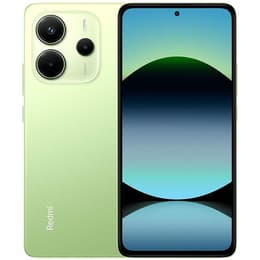
Xiaomi Redmi Note 14 4G
Starting at

Refurbished price:€232.00

Versus €229.99 new

See options

Differences at a glance

The Google Pixel 9a (2025) and the Xiaomi Redmi Note 14 4G (2025) are modern smartphones designed to deliver reliable everyday performance without the complexity of high-end flagship devices. While both models cater to users seeking practical functionality, they differ significantly in their software ecosystems, global connectivity standards, and hardware capabilities. The Google Pixel 9a runs a streamlined version of Android with long-term software commitments, whereas the Xiaomi Redmi Note 14 4G utilizes Xiaomi's custom interface layered over Android alongside flexible physical expansion options. Understanding these core differences helps clarify which device fits specific daily routines.

Available Models

Colour

Storage

Scores

Durability

When examining longevity and build durability, both devices offer solid protection features suited for daily wear and tear, though their software update timelines differ notably.

  • Software support duration: The Google Pixel 9a provides multi-year operating system upgrades and security patches extending up to seven years, whereas the Xiaomi Redmi Note 14 4G supports several major platform updates typical of its category.
  • Repairability and build quality: Both models utilize sturdy exterior frames combined with durable front glass protection, making them resilient against accidental drops when paired with a protective case.
  • Expected practical lifespan: Users can anticipate smooth, reliable operation across several years of daily use, with the Pixel model offering extended software relevance for those who prefer keeping devices longer.

Year of Release

2025

2025

OS

Android

Android

Foldable

No

No

Performance

Performance capacities vary to accommodate different multitasking habits, application demands, and battery endurance expectations during standard day-to-day use.

  • Processor capabilities and responsiveness: Both devices handle standard messaging, web browsing, and media streaming smoothly, while managing moderate mobile gaming and split-screen multitasking with consistent system stability.
  • Memory and storage configurations: The Google Pixel 9a provides unified high-speed internal storage options, while the Xiaomi Redmi Note 14 4G features expandable storage via a dedicated memory card slot alongside standard internal capacities.
  • Battery behavior: Each phone integrates a large-capacity battery designed to comfortably survive a full day of mixed usage, supported by efficient energy management features.

Screen quality

Viewing experiences differ slightly in display technology optimization, maximum brightness output, and physical dimensions for media consumption.

  • Display technology and clarity: Both smartphones feature vibrant OLED-based screens that deliver deep contrast levels, sharp text rendering, and vivid color reproduction for photos and videos.
  • Refresh rate and smoothness: Each device supports a responsive 120Hz refresh rate, ensuring fluid scrolling through web pages, social media feeds, and system menus.
  • Outdoor visibility: High peak brightness capabilities on both screens allow content to remain clearly legible even under direct sunlight conditions.

Resolution

2424 x 1080

1080x2400

Audiovisual

Media capture hardware and audio playback setups cater differently to casual photography, video recording, and entertainment needs.

  • Camera system versatility: The Google Pixel 9a emphasizes computational photography for balanced everyday imaging and low-light clarity, whereas the Xiaomi Redmi Note 14 4G features a high-resolution main sensor accompanied by specialized utility lenses.
  • Video recording: Both phones capture stable high-definition video clips suitable for personal archives and social sharing.
  • Audio and media output: Integrated stereo speaker setups deliver clear sound for hands-free calls and casual video viewing, with the Xiaomi model retaining a traditional wired headphone jack.

Miscellaneous

Practical daily features, physical handling characteristics, and connectivity standards shape the overall user experience of each device.

  • Connectivity standards: The Google Pixel 9a includes full 5G network compatibility, while the Xiaomi Redmi Note 14 4G focuses on robust 4G LTE connectivity alongside regional extras like an infrared blaster.
  • Physical dimensions and weight: Both devices offer ergonomic form factors with comfortable grip profiles, though weight distribution varies slightly depending on their internal battery sizes and frame materials.
  • Security sensors: Each model incorporates responsive biometric authentication using under-display fingerprint recognition for quick and secure device unlocking.

Weight

186 g

196 g

Screen size (in)

6.3

6.67

Network

5G

4G

SIM card

Physical SIM + eSIM

Physical SIM + eSIM

Carrier compatibility

Unlocked

Unlocked

What the community thinks

User feedback from online communities highlights distinct preferences for each device based on everyday requirements. Owners of the Google Pixel 9a frequently praise its clean software interface, reliable image processing, and extended software update commitments. Conversely, users of the Xiaomi Redmi Note 14 4G often highlight its bright display, expandable storage convenience, and inclusion of a traditional headphone port. Common discussions occasionally note that the Pixel line carries a simpler physical profile, while some users mention that Xiaomi's software interface includes pre-installed applications requiring minor initial setup adjustments.

Users prioritizing long-term software longevity, streamlined operating systems, and advanced computational photography will find the Google Pixel 9a well-suited to their needs. Meanwhile, users prioritizing media expansion slots, wired headphone compatibility, and high refresh rate displays at a balanced scale may lean toward the Xiaomi Redmi Note 14 4G. Exploring a quality-assured refurbished option provides a sustainable choice for acquiring either device while supporting eco-friendly technology consumption.