


Compare models

iPhone 15 Pro Vs Xiaomi Redmi Note 13 4G

  • 1-year minimum warranty
  • Free delivery on all orders
  • Free 30-day returns
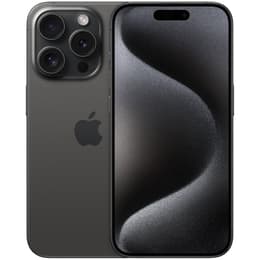
iPhone 15 Pro
Starting at

Refurbished price:579.00

Versus €1,165.38 new

See options
Xiaomi Redmi Note 13 4G
Starting at

Refurbished price:166.00

Versus €299.00 new

See options

Differences at a glance

The iPhone 15 Pro (2023) and Xiaomi Redmi Note 13 4G (2024) serve very different segments of the smartphone market, representing a high-end flagship and an entry-level everyday device respectively. While both run on distinct operating systems with unique software ecosystems, they cater to entirely different user needs regarding capability and daily handling. This comparison examines how their core specifications and practical features diverge across everyday usage scenarios.

Available Models

Colour

Storage (GB)

Scores

Durability

When examining longevity and update support, both devices approach software lifespan and structural durability through different manufacturing frameworks.

  • Software longevity: The iPhone 15 Pro benefits from extended operating system updates and long-term security support typical of premium mobile hardware, whereas the Xiaomi Redmi Note 13 4G receives a more standard multi-year update cycle suited for an entry-level classification.
  • Build and repair framework: The iPhone 15 Pro utilizes grade titanium and textured matte glass alongside water resistance seals, while the Xiaomi Redmi Note 13 4G relies on a plastic frame and glass front construction, with both models requiring professional assistance for complex internal hardware repairs.
  • Expected lifespan: Users can anticipate several years of reliable daily operation from both devices, though the premium hardware internal components of the iPhone maintain performance margins longer under intensive software updates.

Year of Release

2023

2024

Compatible with latest Update

Yes

Yes

OS

iOS

Android

Foldable

No

No

Performance

Underneath the exterior, these smartphones handle processing tasks, multitasking, and battery endurance through very different hardware configurations.

  • Processing power: The iPhone 15 Pro handles demanding 3D games, complex video editing apps, and rapid multitasking effortlessly, whereas the Xiaomi Redmi Note 13 4G manages web browsing, social media applications, and casual tasks smoothly without targeting high-end gaming performance.
  • Storage and memory: The iPhone 15 Pro offers high-capacity storage tiers paired with efficient memory management for heavy workflows, while the Xiaomi Redmi Note 13 4G provides expandable storage options via microSD cards alongside standard internal memory configurations.
  • Battery behavior: The iPhone 15 Pro balances energy efficiency to last through a full day of mixed heavy use, and the Xiaomi Redmi Note 13 4G frequently delivers solid battery longevity due to less demanding internal hardware components.

Screen quality

Display performance shapes the primary visual interaction, with both models offering distinct screen technologies and viewing attributes.

  • Display technology: The iPhone 15 Pro features an OLED panel with deep contrast levels and fluid motion handling via adaptive refresh rates, while the Xiaomi Redmi Note 13 4G utilizes an AMOLED screen providing vibrant colors at a standard 120Hz fixed refresh rate.
  • Outdoor visibility: Both devices reach sufficient peak brightness levels to remain legible under direct sunlight, though high-end panels typically maintain better color accuracy and reflection handling outdoors.
  • Size and dimensions: The iPhone 15 Pro offers a compact form factor that fits comfortably in one hand, while the Xiaomi Redmi Note 13 4G provides a larger screen canvas well-suited for media consumption and reading text documents.

Resolution

1179 x 2556

1080 x 2400

Screen type

LTPO Super Retina XDR OLED

AMOLED

Audiovisual

Audio-visual capabilities and media capture hardware vary significantly between these two choices, reflecting their distinct market positions.

  • Camera systems: The iPhone 15 Pro incorporates a versatile triple-lens setup including dedicated optical zoom and advanced low-light processing, whereas the Xiaomi Redmi Note 13 4G equips a high-megapixel main sensor alongside basic supporting lenses for standard daylight snapshots.
  • Video recording: The iPhone 15 Pro supports professional-grade video formats, cinematic stabilization, and high-resolution capture, while the Xiaomi Redmi Note 13 4G handles standard definition video logging suitable for casual social sharing.
  • Audio output: The iPhone 15 Pro delivers rich stereo sound through balanced internal speakers, while the Xiaomi Redmi Note 13 4G features built-in speakers alongside the convenience of a traditional headphone jack for wired listening.

Main camera

48 megapixels

108 megapixels

Front camera

12 megapixels

16 megapixels

Miscellaneous

Practical daily usability is influenced by connectivity standards, physical build properties, and embedded sensor technologies.

  • Connectivity standards: The iPhone 15 Pro features high-speed Wi-Fi protocols, 5G capability, and a universal USB-C data port, while the Xiaomi Redmi Note 13 4G supports 4G cellular networks, standard Wi-Fi, and retains expandable storage flexibility.
  • Security and authentication: The iPhone 15 Pro utilizes advanced facial recognition technology for secure unlocking, whereas the Xiaomi Redmi Note 13 4G relies on an in-display fingerprint sensor and standard facial scanning.
  • Physical handling: The iPhone 15 Pro offers a heavier, dense feel constructed from premium metals, while the Xiaomi Redmi Note 13 4G features a lighter profile that reduces hand fatigue during extended reading or browsing sessions.

Weight

171 g

175 g

Screen size (in)

6.1

6.67

Network

5G

4G

SIM card

eSIM

Dual Physical SIM

Carrier compatibility

Unlocked

Unlocked

Connector

USB-C (USB 3)

USB-C

What the community thinks

User discussions across community forums highlight distinct sentiments regarding both models. Owners of the iPhone 15 Pro frequently praise its fluid system performance, compact ergonomics, and versatile camera output, though some note that intensive tasks can cause the device to warm up noticeably. Conversely, users of the Xiaomi Redmi Note 13 4G appreciate the bright display quality, reliable daily battery endurance, and the inclusion of expandable storage, while pointing out limitations in demanding gaming environments and low-light photography performance.

Users prioritizing advanced photography, long-term processing headroom, and heavy multitasking will find the iPhone 15 Pro well-suited to their needs. Meanwhile, users prioritizing media consumption on a larger screen, expandable storage flexibility, and straightforward everyday messaging or browsing will lean toward the Xiaomi Redmi Note 13 4G. For conscious consumers seeking a sustainable choice, a quality-assured refurbished option provides a reliable path to acquiring either device while reducing electronic waste.