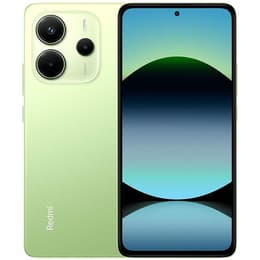


Galaxy S22 5G Vs Xiaomi Redmi Note 14 4G

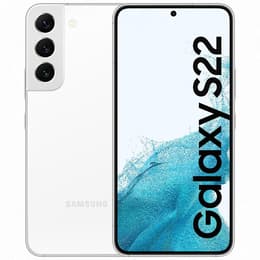
Galaxy S22 5G
Galaxy S22 5G
Starting at

Refurbished price:174.00

Versus €851.00 new

See options
Xiaomi Redmi Note 14 4G
Starting at

Refurbished price:162.00

Versus €229.99 new

See options

Ratings

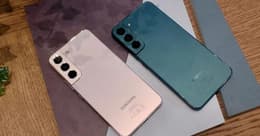
The Samsung Galaxy S22 5G, released in February 2022, and the Xiaomi Redmi Note 14 4G, launched around January 2025, represent different segments of the smartphone market. While the Galaxy S22 5G is a compact flagship device, the Redmi Note 14 4G offers a larger display and battery capacity. Both devices run on the Android operating system, but with distinct user interfaces and software support timelines. This comparison will highlight their core differences to help you make an informed decision, especially when considering a quality-assured refurbished option.

Scores

Durability

The expected lifespan and software support differ between these two smartphones due to their release timelines and manufacturer policies.

  • Release Timeline: The Samsung Galaxy S22 5G was released in February 2022, making it an older device compared to the Xiaomi Redmi Note 14 4G, which launched around January 2025. [1, 2, 3, 6, 7, 8, 9, 12, 13, 14, 15, 16, 17, 20]
  • Software Longevity: The Galaxy S22 5G, having launched with Android 12, is expected to receive major Android updates until 2025 (likely Android 16) and security updates until February 2027. [1, 18, 19, 22, 24] The Redmi Note 14 4G, launching with Android 14 and Xiaomi HyperOS, is newer and will likely benefit from a longer period of future software and security updates. [2, 3, 6, 7, 8, 14]
  • Durability Features: The Galaxy S22 5G features Gorilla Glass Victus+ on both the front and back, an aluminum frame, and an IP68 rating for dust and water resistance, indicating a high level of protection. [1, 4] The Redmi Note 14 4G comes with Gorilla Glass 5 protection and an IP54 rating, offering a good level of splash and dust resistance. [2, 7, 14]

Year of Release

2022

2025

OS

Android

Android

Foldable

No

No

Performance

Performance capabilities vary significantly, impacting how smoothly each device handles demanding applications and multitasking.

  • Processing Power: The Galaxy S22 5G is equipped with a high-performance processor designed for flagship-level tasks, enabling smooth operation for intensive gaming and complex applications. [1, 4, 5, 11] The Redmi Note 14 4G features a processor suitable for everyday use, social media, and moderate gaming, providing a responsive experience for general tasks. [2, 3, 6, 8, 14]
  • Multitasking and Storage: Both devices offer configurations with 6GB or 8GB of RAM, allowing for efficient multitasking. The Galaxy S22 5G provides 128GB or 256GB of internal storage without expansion options. [1, 4, 5, 11] The Redmi Note 14 4G also offers 128GB or 256GB storage options, with the added flexibility of expandable storage via a hybrid microSDXC slot. [2, 3, 6, 7, 8, 14]
  • Battery Behavior: The Galaxy S22 5G has a 3700 mAh battery, which for heavy users might require more frequent charging. [1, 10, 11] The Redmi Note 14 4G features a larger 5500 mAh battery, generally offering extended usage times on a single charge. [2, 3, 6, 7, 8, 14, 20]

Memory (GB)

8 GB

6 GB

Screen quality

The visual experience on both phones is shaped by their display technology and specifications.

  • Display Technology and Size: The Galaxy S22 5G features a 6.1-inch Dynamic AMOLED 2X display, known for its vibrant colors and deep blacks. [1, 4, 5] The Redmi Note 14 4G offers a larger 6.67-inch AMOLED display, providing more screen real estate for media consumption and browsing. [2, 3, 6, 7, 8, 12, 14]
  • Resolution and Clarity: Both phones offer a Full HD+ resolution (1080 x 2340 pixels for S22 5G, 1080 x 2400 pixels for Redmi Note 14 4G), resulting in sharp and clear visuals for typical viewing distances. [1, 2, 3, 4, 6, 7, 8, 14]
  • Brightness and Smoothness: The Galaxy S22 5G can reach a peak brightness of 1300 nits, ensuring good visibility outdoors. [1] The Redmi Note 14 4G boasts a peak brightness of 1800 nits, offering even better outdoor visibility. [2, 6, 14] Both devices feature a 120Hz refresh rate, contributing to smoother scrolling and a more fluid user interface. [1, 2, 4, 5, 6, 7, 14]

Resolution

1080 x 2340

1080x2400

Audiovisual

The camera systems on these devices cater to different photography needs and preferences.

  • Rear Camera System: The Galaxy S22 5G features a versatile triple-camera setup with a 50 MP main sensor with optical image stabilization (OIS), a 10 MP telephoto lens with 3x optical zoom and OIS, and a 12 MP ultrawide lens. [1, 4, 5, 11] The Redmi Note 14 4G typically includes a 108 MP primary sensor, often accompanied by a 8 MP ultrawide and 2 MP macro or depth sensor. [3, 6, 7, 8, 14]
  • Photography Performance: The Galaxy S22 5G is known for its consistent image quality across its lenses, strong low-light performance, and advanced computational photography features. The Redmi Note 14 4G's high-resolution main sensor can capture detailed images in good lighting conditions.
  • Video Capabilities: The Galaxy S22 5G offers advanced video recording, including 8K resolution at 24fps and 4K at 30/60fps, with features like HDR10+ and gyro-EIS for stable footage. [1, 4] The Redmi Note 14 4G generally supports video recording up to 1080p at 30fps. [20]
  • Front Camera: For selfies and video calls, the Galaxy S22 5G has a 10 MP front camera, while the Redmi Note 14 4G features a higher resolution 20 MP front camera. [1, 2, 3, 4, 5, 6, 7, 8, 14]

Miscellaneous

Beyond core features, several practical elements differentiate these two smartphones.

  • Connectivity: The Samsung Galaxy S22 5G supports 5G networks, offering faster mobile data speeds where available, along with Wi-Fi 6 and Bluetooth 5.2. [1, 4, 5] The Xiaomi Redmi Note 14 4G is limited to 4G connectivity but includes Wi-Fi 5 and Bluetooth 5.3. [2, 3, 6, 7, 14] Both devices offer NFC for contactless payments. [3, 4, 5, 7]
  • Ports and Audio: The Galaxy S22 5G features a USB-C port but lacks a 3.5mm headphone jack. [1, 4, 5] The Redmi Note 14 4G includes a USB-C port and retains the 3.5mm headphone jack, which can be convenient for wired audio accessories. [2, 3, 7, 14, 20] Both phones offer stereo speakers, with the Redmi Note 14 4G also featuring Dolby Atmos support. [1, 2, 7, 14]
  • Design and Handling: The Galaxy S22 5G is a more compact and lighter device, weighing 167g with dimensions of 146 x 70.6 x 7.6 mm. [1, 4, 5] The Redmi Note 14 4G is larger and heavier at 196.5g and 163.25 x 76.55 x 8.16 mm, offering a more expansive screen experience. [2, 3, 6] The Galaxy S22 5G uses an in-display fingerprint sensor, as does the Redmi Note 14 4G. [2, 4, 5, 6, 14, 15]

Weight

195 g

196 g

Screen size (in)

6.1

6.67

Network

5G

4G

SIM card

Physical SIM + eSIM

Physical SIM + eSIM

Carrier compatibility

Unlocked

Unlocked

The Samsung Galaxy S22 5G and the Xiaomi Redmi Note 14 4G cater to different user priorities. Users often praise the Galaxy S22 5G for its premium build quality, compact design, and excellent camera system, particularly its telephoto lens and advanced video capabilities. [1, 4, 5, 11] However, some users have noted its relatively smaller battery capacity as a potential drawback for heavy usage. [10, 11]

The Redmi Note 14 4G, on the other hand, is frequently lauded for its large, vibrant AMOLED display, extended battery life, and the inclusion of a 3.5mm headphone jack and expandable storage, which are practical advantages for many. [2, 3, 6, 7, 8, 14, 20] Criticisms sometimes point to its 4G-only connectivity and a less powerful processor compared to flagship devices. [2, 3, 6, 8, 14]

Users prioritizing a compact, high-performance device with advanced camera features and 5G connectivity may find the Samsung Galaxy S22 5G well-suited to their needs. Conversely, individuals who value a larger screen, longer battery life, expandable storage, and a headphone jack, and for whom 5G is not a critical requirement, might lean towards the Xiaomi Redmi Note 14 4G. Both devices are available as quality-assured refurbished options, providing an eco-friendly alternative for consumers.


See all articles

Our recent comparisons