
Compare models

Google Pixel 9a Vs iPhone Air

  • 1-year minimum warranty
  • Free delivery on all orders
  • Free 30-day returns
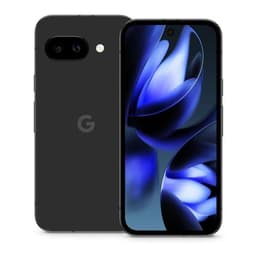
Google Pixel 9a
Starting at

Refurbished price:€339.00

Versus €586.09 new

See options
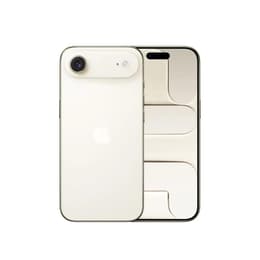
iPhone Air
Starting at

Refurbished price:€717.00

Versus €1,339.00 new

See options

Differences at a glance

The Google Pixel 9a (2025) and the Apple iPhone Air (2025) represent two distinct approaches to modern smartphone design, targeting users who value either everyday reliability or ultra-slim portability. While the Pixel 9a focuses on long-term software support and a balanced feature set running on Android, the iPhone Air introduces a breakthrough minimalist profile built around Apple's iOS ecosystem.

These devices differ fundamentally in physical form factor, operating system environment, and daily handling experience, making them suitable for quite different preferences.

Available Models

Colour

Storage

Scores

Durability

Both devices offer robust longevity frameworks, though they approach software maintenance and hardware durability through different manufacturer commitments.

    Software longevity: The Google Pixel 9a benefits from an extensive seven-year update commitment, ensuring long-term security. The iPhone Air also provides extended software support typical of Apple devices, keeping both models current for years.
    Build resilience: The Pixel 9a features a sturdy composite rear and durable glass front, while the iPhone Air utilizes a rigid titanium frame paired with reinforced glass protection for daily wear resistance.

Year of Release

2025

2025

Performance

System responsiveness and everyday processing power handle demanding tasks efficiently across both models, though their internal configurations and battery behaviors diverge.

    Multitasking and app loading: Both smartphones handle heavy apps, web browsing, and multi-window workflows smoothly. The iPhone Air incorporates high-tier memory configurations for intensive workloads, while the Pixel 9a relies on optimized processor integration for daily efficiency.
    Battery endurance: The Pixel 9a includes a large capacity battery designed to easily sustain heavy use through a full day. In contrast, the iPhone Air's ultra-thin chassis houses a more compact battery that meets standard daily usage needs with potential top-ups required for intensive tasks.

Screen quality

Viewing experiences on both handsets benefit from advanced panel technologies that deliver clear imagery and high outdoor visibility.

    Display technology: Both models use vibrant OLED screens providing deep blacks and vivid color reproduction. The iPhone Air offers a slightly larger 6.5-inch canvas, whereas the Pixel 9a features a compact 6.3-inch display.
    Smoothness and brightness: Both devices support high refresh rates up to 120Hz for fluid scrolling and animations, alongside high peak brightness levels that maintain legibility in direct sunlight.

Audiovisual

Optics and media consumption hardware cater well to everyday photography, video recording, and audio output.

    Camera capabilities: The Pixel 9a relies on a dual rear lens setup with robust computational photo editing tools. The iPhone Air utilizes a single high-resolution main camera system backed by advanced image processing for sharp everyday photos and steady video recording.
    Media and sound: Both phones deliver clear audio output for calls and media playback, paired with capable microphone arrays for clear voice recording during calls or video chats.

Miscellaneous

Physical dimensions and connectivity options shape how each device feels and connects in real-world use.

    Handling and dimensions: The iPhone Air emphasizes an exceptionally slim and lightweight profile at 5.6 mm thick, making it easy to slip into pockets. The Pixel 9a adopts a more traditional thickness that accommodates its larger battery while remaining comfortable to hold.
    Connectivity and ports: Both smartphones support modern 5G networks, fast Wi-Fi standards, and secure biometric authentication. The Pixel 9a uses a standard USB-C port, while the iPhone Air also relies on USB-C connectivity alongside wireless charging ecosystems. Choosing a quality-assured refurbished option provides a sustainable choice for environmentally conscious buyers looking to minimize electronic waste.

Screen size (in)

6.3

6.5

Network

5G

5G

SIM card

Physical SIM + eSIM

eSIM

Carrier compatibility

Unlocked

Unlocked

Connector

USB-C

USB-C

What the community thinks

Users prioritizing an exceptionally slim and lightweight build alongside a large display will find the iPhone Air well-suited to their daily routine. Conversely, users seeking extended battery longevity, a traditional feel, and long-term Android software commitments will likely prefer the Google Pixel 9a. Both devices serve distinct user preferences without leaning on promotional hype.

Reviewing a quality-assured refurbished option can serve as an eco-friendly alternative for consumers aiming to make a sustainable choice when purchasing either smartphone model.