

Galaxy S22 5G Vs Xiaomi 13T Pro

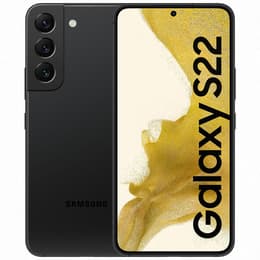
Galaxy S22 5G
Galaxy S22 5G
Starting at

Refurbished price:174.00

Versus €851.00 new

See options
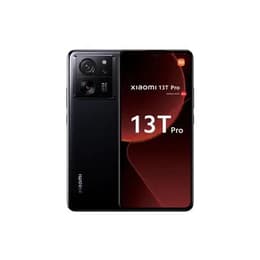
Xiaomi 13T Pro
Xiaomi 13T Pro
Starting at

Refurbished price:245.00

Versus €900.00 new

See options

Ratings

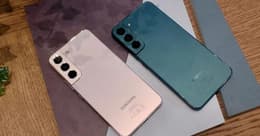
The Samsung Galaxy S22 5G, released in February 2022, and the Xiaomi 13T Pro, launched in September 2023, are both Android smartphones offering distinct user experiences. While the Galaxy S22 5G emphasizes a compact design and a refined software experience, the Xiaomi 13T Pro focuses on a larger display, faster charging, and a camera system co-engineered with Leica. Both devices run on the Android operating system, with their respective custom user interfaces.

Scores

Durability

When considering the longevity of these devices, several factors come into play, including their release timelines, software support, and physical durability.

  • Release Timeline: The Galaxy S22 5G was released in February 2022, making it an older model compared to the Xiaomi 13T Pro, which launched in September 2023. This difference in release date means the Xiaomi 13T Pro will generally receive software updates for a longer period.
  • OS Support: Samsung has committed to providing 4 years of Android OS upgrades and 5 years of security updates for the Galaxy S22 5G. Similarly, the Xiaomi 13T Pro is also promised 4 generations of Android OS upgrades and 5 years of security patches.
  • Durability Features: The Galaxy S22 5G features Gorilla Glass Victus+ on both the front and back, along with an Armor Aluminum frame, and an IP68 rating for dust and water resistance. The Xiaomi 13T Pro comes with Corning Gorilla Glass 5 on the front and also boasts an IP68 rating for dust and water resistance. Users have reported that the Xiaomi 13T Pro feels durable and can withstand minor drops.

Year of Release

2022

2023

OS

Android

Android

Foldable

No

No

Performance

The performance of a smartphone is crucial for daily tasks, from app usage to gaming and multitasking. Both devices offer capable performance, but with some differences in their approach.

  • Processor Capabilities: The Galaxy S22 5G is equipped with a processor that handles demanding applications and multitasking effectively, though some users have noted potential thermal throttling during sustained heavy use. The Xiaomi 13T Pro features a newer generation processor designed for strong performance in gaming and demanding applications, with efficient thermal management.
  • RAM and Storage: The Galaxy S22 5G typically comes with 8GB of RAM and storage options of 128GB or 256GB. The Xiaomi 13T Pro offers more generous RAM configurations, with options for 12GB or 16GB, and storage choices ranging from 256GB up to 1TB. This larger RAM capacity in the Xiaomi 13T Pro can contribute to smoother multitasking and app handling, especially for power users.
  • Battery Behavior: The Galaxy S22 5G has a 3700 mAh battery, and some users report that heavy usage may require a midday charge. The Xiaomi 13T Pro, with its larger 5000 mAh battery, generally offers extended battery life, often lasting a full day even with intensive use.

Memory (GB)

8 GB

16 GB

Screen quality

The display is a primary interface for smartphone interaction, and both the Galaxy S22 5G and Xiaomi 13T Pro offer high-quality viewing experiences with distinct characteristics.

  • Display Technology and Size: The Galaxy S22 5G features a 6.1-inch Dynamic AMOLED 2X display, known for its vibrant colors and deep blacks. The Xiaomi 13T Pro has a larger 6.67-inch AMOLED display, providing a more expansive viewing area.
  • Resolution and Brightness: The Galaxy S22 5G offers a resolution of 1080 x 2340 pixels with a peak brightness of 1300 nits. The Xiaomi 13T Pro boasts a higher resolution of 1220 x 2712 pixels and an impressive peak brightness of 2600 nits, which can enhance outdoor visibility and HDR content viewing.
  • Refresh Rate: Both devices feature high refresh rates for smooth scrolling and animations. The Galaxy S22 5G has an adaptive 120Hz refresh rate. The Xiaomi 13T Pro offers an even higher 144Hz refresh rate, which can result in a slightly smoother visual experience, particularly in supported games and content.

Resolution

1080 x 2340

1220 x 2712

Audiovisual

For many users, camera capabilities are a key differentiator. Both smartphones offer versatile camera systems, but with different strengths and features.

  • Rear Camera Systems: The Galaxy S22 5G features a triple camera setup with a 50 MP main sensor, a 12 MP ultrawide, and a 10 MP telephoto lens with 3x optical zoom. The Xiaomi 13T Pro also has a triple camera system, co-engineered with Leica, comprising a 50 MP main sensor, a 12 MP ultrawide, and a 50 MP telephoto lens with 2x optical zoom. The Xiaomi 13T Pro's Leica integration offers distinct photographic styles, 'Leica Authentic' and 'Leica Vibrant'.
  • Photography Performance: The Galaxy S22 5G generally produces good photo and video quality, performing well in good lighting conditions, with decent but sometimes less detailed low-light performance. The Xiaomi 13T Pro is noted for producing detailed photos with good color science, especially with its Leica modes, and strong low-light performance.
  • Video Recording and Audio: Both devices are capable of recording video up to 8K at 24fps. The Xiaomi 13T Pro also offers 10-bit LOG video recording with LUT support. Both phones feature stereo speakers, with the Xiaomi 13T Pro supporting Dolby Atmos for an enhanced audio experience.

Miscellaneous

Beyond the core features, several other aspects contribute to the overall user experience, including connectivity, physical design, and additional functionalities.

  • Connectivity and Ports: Both smartphones support 5G connectivity. The Galaxy S22 5G supports Wi-Fi 6 and Bluetooth 5.2. The Xiaomi 13T Pro offers newer standards with Wi-Fi 7 and Bluetooth 5.4. Both devices utilize a USB-C port for charging and data transfer.
  • Physical Design and Handling: The Galaxy S22 5G is a more compact device, weighing 167g and measuring 146 x 70.6 x 7.6 mm, making it easy for one-handed use. The Xiaomi 13T Pro is larger and heavier, at around 200-206g and dimensions of 162.2 x 75.7 x 8.5 mm, offering a more substantial feel. The Alpine Blue variant of the Xiaomi 13T Pro features a BioComfort vegan leather back, providing a unique texture and grip.
  • Sensors and Other Features: Both phones include in-display fingerprint sensors and face recognition for secure unlocking. The Xiaomi 13T Pro also includes an IR blaster, a feature not present on the Galaxy S22 5G.

Weight

195 g

206 g

Screen size (in)

6.1

6.67

Network

5G

5G

SIM card

Physical SIM + eSIM

Physical SIM + eSIM

Carrier compatibility

Unlocked

Unlocked

Connector

USB-C + Jack 3.5mm

USB-C

The Samsung Galaxy S22 5G and Xiaomi 13T Pro cater to slightly different user preferences, each excelling in various aspects. Users often praise the Galaxy S22 5G for its compact form factor, premium build quality, and consistent software experience. Some common criticisms, however, point to its battery life, which for heavy users might require more frequent charging. The Xiaomi 13T Pro, on the other hand, frequently receives acclaim for its impressive battery life, rapid charging capabilities, and its versatile camera system co-engineered with Leica, which offers distinct photographic styles. Users also appreciate its bright and smooth display. Some feedback suggests that while its performance is strong, the overall software experience might be less refined compared to more established flagships for some users.

Users prioritizing a compact, premium-feeling device with a highly refined software experience and long-term software support may find the Galaxy S22 5G well-suited to their needs. Its smaller size makes it easier to handle and carry. Conversely, users who value a larger, brighter, and smoother display, extended battery life with exceptionally fast charging, and a camera system with unique photographic modes will likely lean towards the Xiaomi 13T Pro. Its higher RAM options also make it appealing for those who frequently multitask or engage in demanding mobile gaming.

For those looking to make an informed and sustainable choice, considering quality-assured refurbished options for either device can be an eco-friendly alternative, offering access to these technologies while extending their lifecycle.


See all articles

Our recent comparisons