
Galaxy S25 Vs iPhone 14 Pro

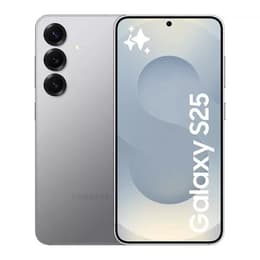
Galaxy S25
Galaxy S25
Starting at

Refurbished price:482.00

Versus €910.00 new

See options
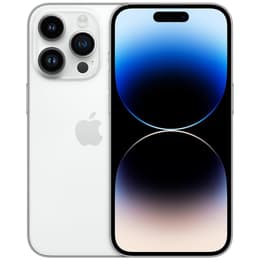
iPhone 14 Pro
iPhone 14 Pro
Starting at

Refurbished price:424.00

Versus €1,339.00 new

See options

Ratings

The Samsung Galaxy S25, released in early 2025, and the Apple iPhone 14 Pro, launched in late 2022, represent distinct approaches to high-end smartphone design and functionality. These devices offer different operating systems and cater to varying user preferences, with the Galaxy S25 introducing more recent hardware advancements and the iPhone 14 Pro providing a mature iOS ecosystem. The primary differentiators lie in their release timelines, software ecosystems, and specific hardware capabilities.

Scores

Durability

When considering the long-term usability of these devices, their respective release dates and software support policies play a significant role.

  • Release Timeline: The Galaxy S25, having been released in February 2025, benefits from a newer starting point in its lifecycle compared to the iPhone 14 Pro, which debuted in September 2022.
  • Software Longevity: Samsung has committed to providing seven years of operating system upgrades and security updates for the Galaxy S25 series, extending its software support until approximately 2032. The iPhone 14 Pro is expected to receive major iOS updates for about six years from its release, likely until September 2028, with security updates potentially continuing beyond that.
  • Physical Durability: Both devices feature robust construction. The Galaxy S25 incorporates Corning Gorilla Glass Victus 2 and an Armour Aluminium frame, while the iPhone 14 Pro uses Ceramic Shield for its front display and a stainless steel frame. Both also carry an IP68 rating for water and dust resistance, indicating a similar level of protection against environmental elements.

Year of Release

2025

2022

OS

Android

iOS

Foldable

No

No

Performance

The performance of a smartphone is crucial for daily tasks, from navigating applications to engaging in demanding activities like gaming or video editing.

  • Processing Power: The Galaxy S25 is equipped with a current-generation processor, designed to handle demanding applications and multitasking smoothly, offering a performance boost over its predecessors. The iPhone 14 Pro, featuring its own advanced chip from 2022, delivers a highly responsive experience for most users, though its processing power is from an earlier generation.
  • Multitasking and Responsiveness: With 12 GB of RAM, the Galaxy S25 is well-suited for extensive multitasking and keeping numerous applications open in the background without slowdowns. The iPhone 14 Pro, with 6 GB of RAM, provides efficient multitasking within the iOS ecosystem, which is optimized for its hardware.
  • Battery Behavior: The Galaxy S25 houses a 4000 mAh battery, offering up to 38 hours of talk time and 11.5 days of standby time, with users reporting good battery longevity for its size. The iPhone 14 Pro has a battery capacity of approximately 3200 mAh, providing up to 23 hours of video playback and 75 hours of audio playback, with some users noting that its battery life, while sufficient for a full day for many, is not as extended as larger models.

Memory (GB)

12 GB

6 GB

Screen quality

The display is a primary interface for smartphone interaction, and both devices offer high-quality visual experiences.

  • Display Technology and Clarity: Both the Galaxy S25 and iPhone 14 Pro feature OLED display technology, known for deep blacks and vibrant colors. The Galaxy S25 utilizes a 6.2-inch Dynamic AMOLED 2X display with a 2340 x 1080 pixel resolution, while the iPhone 14 Pro has a 6.1-inch Super Retina XDR OLED display with a 2556 x 1179 pixel resolution.
  • Brightness and Outdoor Visibility: Both phones offer high brightness levels for clear visibility in various lighting conditions. The Galaxy S25 can reach a peak brightness of 2600 nits, ensuring good readability outdoors. The iPhone 14 Pro achieves a typical maximum brightness of 1000 nits and a peak outdoor brightness of 2000 nits.
  • Refresh Rate and Smoothness: Both devices feature adaptive refresh rates up to 120Hz, contributing to smooth scrolling and fluid animations. The iPhone 14 Pro's ProMotion technology can adapt its refresh rate down to 1Hz to conserve battery life. The Galaxy S25 also offers a 120Hz refresh rate, providing a responsive user experience.

Resolution

1080x2340

1179 x 2556

Screen type

Dynamic LTPO AMOLED 2X

LTPO Super Retina XDR OLED

Audiovisual

Camera capabilities are a key consideration for many users, and both smartphones offer advanced systems for photography and videography.

  • Rear Camera Systems: The Galaxy S25 features a triple-camera setup on the rear, including a 50 MP wide lens, a 10 MP telephoto lens, and a 12 MP ultra-wide lens, supported by a ProVisual Engine for enhanced image processing. The iPhone 14 Pro also has a triple-camera system, with a 48 MP main sensor, a 12 MP ultra-wide lens with a 120-degree field of view, and a 12 MP 3x telephoto lens.
  • Photography Performance: The Galaxy S25 is noted for taking clear, steady shots with good zoom and effective AI features for photo editing. The iPhone 14 Pro's camera system, with its Photonic Engine, delivers bright, detailed photos with rich colors and strong low-light performance. Both offer advanced computational photography for improved image quality.
  • Video Recording and Features: The iPhone 14 Pro supports 4K video recording at various frame rates, including Cinematic Mode for depth-of-field effects and Action Mode for stabilized footage. The Galaxy S25 also offers capable video recording, with users appreciating its versatility in shooting modes.

Miscellaneous

Beyond core features, several practical elements contribute to the overall user experience and device utility.

  • Connectivity and Ports: The Galaxy S25 supports the latest Wi-Fi 7 standard and Bluetooth 5.4, along with 5G connectivity, and features a USB Type-C port for charging and data transfer. The iPhone 14 Pro includes Wi-Fi 6, Bluetooth 5.3, and 5G, but uses Apple's proprietary Lightning port.
  • Biometric Security: The iPhone 14 Pro relies on Face ID for secure facial recognition. The Galaxy S25 likely includes an in-display fingerprint sensor, a common feature in high-end Android devices, alongside facial recognition.
  • Physical Characteristics: The Galaxy S25 has dimensions of 146.9mm x 70.5mm x 7.2mm and weighs 162g, making it a relatively compact and light device. The iPhone 14 Pro measures 147.5 x 71.5 x 7.9 mm and weighs 206g, offering a slightly more substantial feel. Both devices feature premium build materials, with the Galaxy S25 using Armour Aluminium and the iPhone 14 Pro a stainless steel frame.

Weight

162 g

206 g

Screen size (in)

6.2

6.1

Network

5G

5G

SIM card

Physical SIM + eSIM

Physical SIM + eSIM

Carrier compatibility

Unlocked

Unlocked

The Samsung Galaxy S25 and iPhone 14 Pro cater to different user priorities, largely influenced by their respective ecosystems and release timelines. Users frequently praise the Galaxy S25 for its comfortable, compact size, light feel, and snappy performance, along with its impressive seven years of software support. However, some users note that its camera system, while capable, may not represent a significant generational leap, and its charging speed is considered average.

The iPhone 14 Pro is often lauded for its excellent build quality, stellar camera capabilities, and the seamless experience within the Apple ecosystem, including its always-on display and useful safety features. Common criticisms include its battery life, which some find less enduring than larger models, and the continued use of the Lightning port.

Users prioritizing the latest hardware, a longer software support window, and the flexibility of the Android operating system may find the Galaxy S25 well-suited to their needs. Conversely, individuals deeply integrated into the Apple ecosystem, valuing consistent performance, a highly refined user experience, and specific iOS features, may lean towards the iPhone 14 Pro. For those seeking a more sustainable choice, both models are available as quality-assured refurbished options, offering an eco-friendly alternative to purchasing new.


See all articles

Our recent comparisons