


Compare models
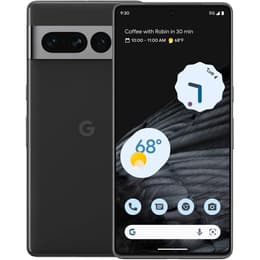
Google Pixel 7 Pro Vs iPhone Air
- 1-year minimum warranty
- Free delivery on all orders
- Free 30-day returns
Differences at a glance
The Google Pixel 7 Pro (2022) and the Apple iPhone Air (2025) represent two distinct approaches to modern smartphone design, contrasting a feature-packed Android flagship with a lightweight, ultra-slim iOS device. While both models cater to users seeking high-end functionality, they differ significantly in their physical form factors, operating systems, and core hardware philosophies. The Pixel 7 Pro runs on Google's Android ecosystem, emphasizing deep software intelligence and versatile photography, whereas the iPhone Air operates on iOS, focusing on an exceptionally thin profile and streamlined hardware.
Available Models
Colour
Storage
Scores
Durability
Device longevity and software support timelines differ due to their respective release years, influencing how long each phone will remain current and maintain structural integrity.
- Software Support and Age: The Pixel 7 Pro launched in 2022 and receives multi-year system updates typical of Android flagships, while the newer iPhone Air benefits from an extended software support window matching its recent release date.
- Build and Repairability: The Pixel 7 Pro features an aluminum and glass construction with standard repair pathways, whereas the iPhone Air utilizes a titanium frame and reinforced glass designed for a thin profile, though both offer robust water and dust resistance for daily durability.
Year of Release
2022
2025
Compatible with latest Update
Yes
Yes
OS
Android
iOS
Foldable
No
No
Performance
System responsiveness and daily multitasking capabilities vary, driven by differences in internal hardware architecture and thermal management.
- Everyday Speed and Multitasking: Both devices handle web browsing, social media, and demanding applications smoothly, supported by generous RAM allocations that allow seamless switching between multiple open apps.
- Battery Behavior: The Pixel 7 Pro houses a large capacity battery designed to comfortably cover a full day of mixed use, whereas the iPhone Air employs a thinner internal battery that requires more frequent charging sessions for heavy users throughout the day.
Screen quality
Visual immersion and display characteristics differ notably in physical dimensions, panel curvature, and peak brightness capabilities.
- Display Technology and Clarity: The Pixel 7 Pro offers a large curved OLED screen with high resolution, while the iPhone Air features a flat OLED panel equipped with a fast refresh rate for smooth scrolling and responsive touch interaction.
- Outdoor Usability: Both screens deliver vibrant colors and deep contrast levels, paired with high peak brightness outputs that maintain readability under direct sunlight.
Resolution
1440 x 3120
2736x1260
Screen type
LTPO AMOLED
Super Retina XDR
Audiovisual
Imaging hardware setups reflect divergent photographic priorities, offering distinct lens configurations for capturing everyday moments and distant subjects.
- Rear Camera Versatility: The Pixel 7 Pro incorporates a triple-lens array featuring a dedicated periscope telephoto lens for optical zoom, whereas the iPhone Air utilizes a streamlined single-lens system optimized for everyday wide-angle photography.
- Video and Audio Output: Both models provide stable high-definition video recording capabilities and clear microphone performance, accompanied by stereo speaker setups suitable for media consumption.
Main camera
50 megapixels
48 megapixels
Front camera
10.8 megapixels
18 megapixels
Miscellaneous
Physical dimensions and connectivity standards shape how each device feels in the hand and integrates with external accessories.
- Handling and Portability: The Pixel 7 Pro is a heavier, larger device with a pronounced camera bar, whereas the iPhone Air prioritizes an ultra-thin and lightweight chassis that rests easily in pockets and smaller bags.
- Connectivity and Ports: Both smartphones support modern 5G networks, high-speed Wi-Fi standards, and secure biometric authentication methods such as facial recognition and fingerprint scanning.
Weight
212 g
165 g
Screen size (in)
6.7
6.5
Network
5G
5G
SIM card
Physical SIM + eSIM
eSIM
Carrier compatibility
Unlocked
Unlocked
What the community thinks
User discussions across community forums highlight distinct preferences for each device based on daily habits and hardware priorities. Owners of the Google Pixel 7 Pro frequently praise its versatile zoom capabilities, clean software interface, and expansive display, though some note its heavier weight and shorter remaining update lifespan. Conversely, users gravitate toward the iPhone Air for its exceptionally slim profile, lightweight feel in the pocket, and smooth iOS integration, while occasionally mentioning the need for mindful battery management during heavy use.
Users prioritizing optical zoom versatility, an expansive screen, and an open software ecosystem may prefer the Pixel 7 Pro, while travelers and minimalists prioritizing an ultra-lightweight design and a streamlined mobile experience will lean toward the iPhone Air. Choosing a quality-assured refurbished option provides an eco-friendly way to access these features while supporting sustainable technology consumption.









