
Samsung

Compare models
Differences at a glance
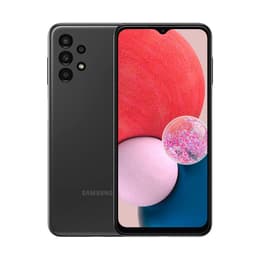
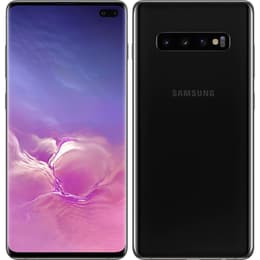
The Samsung Galaxy A13, released in March 2022, and the Samsung Galaxy S10, launched in March 2019, represent distinct segments of Samsung's smartphone offerings. The Galaxy A13 is positioned as a more recent entry-level device, while the Galaxy S10 was a flagship model in its time. The primary differentiators lie in their original market positioning, leading to differences in build quality, display technology, and overall performance capabilities. Both devices operate on the Android platform, but their software support timelines vary due to their respective release dates.
Colour
Storage
The practical lifespan of a smartphone is influenced by its initial release date, software support, and physical durability. The Galaxy A13, being a newer device, benefits from a longer expected period of software updates compared to the older Galaxy S10.
Year of Release
Compatible with latest Update
OS
Foldable
Performance in smartphones is a blend of processing power, memory, and storage, all contributing to the user's daily experience. While the Galaxy A13 is a newer device, the Galaxy S10, as a former flagship, was equipped with more powerful internal components for its time.
The display is a primary interface for smartphone interaction, and the quality of the screen significantly impacts the viewing experience. The Galaxy S10, as a former premium device, features a more advanced display technology compared to the Galaxy A13.
Resolution
Screen type
Camera capabilities are a significant factor for many smartphone users, encompassing the quality of photos and videos in various conditions. The Galaxy S10, despite its age, benefits from its former flagship status with a more versatile and refined camera system.
Main camera
Front camera
Beyond core performance and display, several practical features contribute to the overall user experience, including connectivity, physical design, and additional functionalities.
Weight
Screen size (in)
Network
SIM card
Carrier compatibility
User sentiment for the Galaxy A13 often highlights its strong battery life and adequate performance for basic daily use. Many users appreciate its large display and the inclusion of a headphone jack. Common criticisms revolve around its less powerful processor, which can lead to slower performance with demanding applications, and its camera's limitations in low-light conditions. The build quality, while functional, is noted as being less premium compared to higher-end devices.
The Galaxy S10, despite being an older model, is frequently praised for its premium design, vibrant AMOLED display, and capable camera system that still holds up well in good lighting. Its performance, even years after its release, is often considered sufficient for many users. However, a recurring concern is its battery life, which some users find to be only acceptable, especially with heavy use. The end of official software updates is also a significant consideration for those prioritizing long-term security and new features.
Users prioritizing a longer software support window, a larger battery, and a more recent release will find the Galaxy A13 well-suited to their needs, particularly for general communication, browsing, and media consumption. Those who value a more premium build, a superior display, better camera versatility, and stronger overall performance for more intensive tasks may lean toward the Galaxy S10, understanding that its software support has concluded. Both devices offer a functional smartphone experience, and choosing between them depends on whether a user prioritizes modern software longevity and battery capacity or a more refined, albeit older, flagship experience. For those considering either device, exploring quality-assured refurbished options can provide an eco-friendly alternative.