
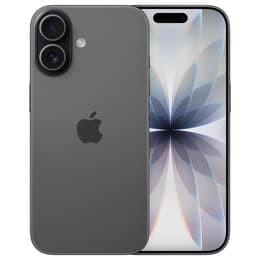


Google Pixel 7 Pro Vs iPhone 17

Google Pixel 7 Pro
Google Pixel 7 Pro
Starting at

Refurbished price:201.00

Versus €640.98 new

See options
iPhone 17
iPhone 17
Starting at

Refurbished price:685.00

Versus €979.00 new

See options

Ratings

The Google Pixel 7 Pro, released in October 2022, and the iPhone 17, launched in September 2025, represent distinct approaches to high-end smartphone design and functionality. While the Pixel 7 Pro showcases Google's vision for Android with advanced computational photography and AI-driven features, the iPhone 17 continues Apple's tradition of refined performance, integrated ecosystem, and a focus on user experience. Both devices offer premium capabilities, but they cater to different preferences in operating system and feature prioritization.

Scores

Durability

When considering the long-term usability of a smartphone, software support and physical durability are key factors. The Pixel 7 Pro and iPhone 17 offer different timelines and approaches to longevity.

  • Software Support: The Google Pixel 7 Pro, released with Android 13, is guaranteed to receive five years of software updates, including three years of Android OS updates and five years of security updates, extending its support until at least October 2027. In contrast, Apple typically provides major iOS updates for 5-7 years, with the iPhone 17, launched with iOS 26, expected to receive updates until approximately 2037, offering a longer period of new features and system enhancements. [28, 31, 42, 43, 44, 45]
  • Repairability: The Pixel 7 Pro received repairability scores ranging from 5.5 to 7.0 out of 10, with screen replacements being relatively straightforward but battery removal proving challenging due to strong adhesive, and the charging port being soldered to the main board. The iPhone 17 is expected to continue Apple's trend of improved repairability, building on features like electrically released adhesive and parts pairing introduced in earlier models, which aim to make repairs more accessible. [6, 11, 12, 15, 18, 33, 36, 46]
  • Physical Durability: Both devices feature robust build materials and an IP68 rating for dust and water resistance. The iPhone 17 is noted for having more scratch-resistant front glass, potentially offering enhanced protection against everyday wear and tear. [1, 26, 27, 46]

Year of Release

2022

2025

Compatible with latest Update

Yes

Yes

OS

Android

iOS

Foldable

No

No

Performance

Performance in modern smartphones extends beyond raw processing power, encompassing how smoothly the device handles daily tasks, manages power, and supports demanding applications. The Pixel 7 Pro and iPhone 17 approach this with distinct hardware and software optimizations.

  • Processing Capabilities: The Google Pixel 7 Pro is powered by Google's Tensor G2 chip, designed to excel in AI and machine learning tasks, contributing to features like advanced photography and voice processing. The iPhone 17 features Apple's A19 chip, built on an upgraded 3-nanometer process, which includes a 6-core CPU, a 5-core GPU with Neural Accelerators, and a 16-core Neural Engine. This hardware is engineered for significant performance and efficiency improvements, particularly for demanding applications and console-quality gaming with hardware-accelerated ray tracing. [1, 2, 14, 18, 27, 35, 39, 46]
  • Multitasking and Responsiveness: The Pixel 7 Pro comes with 12GB of RAM, enabling smooth multitasking and app switching. The iPhone 17 is rumored to feature increased RAM, potentially up to 8GB or 12GB in its Pro models, which would further enhance its ability to manage numerous applications simultaneously and maintain system responsiveness. Both devices offer a fluid user experience, with applications loading quickly and transitions appearing seamless. [3, 5, 14, 18, 24, 25, 26, 34, 46]
  • Battery Behavior: The Pixel 7 Pro houses a 5000 mAh battery, generally providing enough power for a full day of heavy use, though some users note it falls short of the longest-lasting competitors. The iPhone 17 is expected to feature an increased battery capacity of approximately 3962mAh for the base model, alongside faster charging capabilities, allowing for a 50% charge in about 20 minutes with a 40W adapter. [2, 18, 22, 26, 32, 34, 35, 39, 46]

Memory (GB)

12 GB

8 GB

Screen quality

The visual experience on a smartphone is largely defined by its display, with both the Pixel 7 Pro and iPhone 17 offering high-quality screens designed for immersive viewing.

  • Display Technology and Clarity: The Google Pixel 7 Pro features a 6.7-inch LTPO AMOLED display with a 3120x1440 (QHD+) resolution, resulting in sharp and detailed visuals. The iPhone 17 comes with a 6.3-inch Super Retina XDR OLED display, offering a resolution of 2622x1206 pixels at 460 ppi. Both OLED technologies provide deep blacks and vibrant colors, enhancing content consumption. [1, 5, 16, 22, 23, 27, 34, 39, 46]
  • Brightness and Refresh Rate: The Pixel 7 Pro's display supports HDR10+ and can reach up to 1000 nits typical brightness, with a peak of 1500 nits, and features a 120Hz refresh rate for smooth scrolling and animations. The iPhone 17's display also supports HDR and ProMotion technology, offering adaptive refresh rates up to 120Hz. It boasts a typical brightness of 1000 nits, a peak HDR brightness of 1600 nits, and an impressive 3000 nits peak outdoor brightness, providing excellent visibility in various lighting conditions. [1, 9, 16, 27, 34, 39, 46]
  • Screen Size and Features: The Pixel 7 Pro's slightly larger 6.7-inch screen offers an expansive viewing area. The iPhone 17, at 6.3 inches, introduces an Always-On display and a Dynamic Island, which integrates alerts and activities into an interactive area at the top of the screen. Both displays are protected by durable glass, with the iPhone 17 featuring more scratch-resistant front glass. [1, 18, 27, 46]

Resolution

1440 x 3120

2622x1206

Screen type

LTPO AMOLED

Super Retina XDR

Audiovisual

Both the Google Pixel 7 Pro and the iPhone 17 are equipped with advanced camera systems, each leveraging their respective strengths in hardware and computational photography to deliver high-quality images and videos.

  • Rear Camera Systems: The Google Pixel 7 Pro features a versatile triple-camera setup, including a 50MP main sensor, a 48MP telephoto lens with 5x optical zoom and up to 30x Super Res Zoom, and a 12MP ultrawide lens. Users praise its excellent photography, particularly the main camera's detail and low-light performance. The iPhone 17 sports a dual-lens system with a 48MP Fusion Wide-Angle main camera (offering 2x optical zoom) and a 48MP Fusion Ultra Wide-angle lens, which includes improved low-light capabilities and macro photography. [1, 2, 3, 5, 16, 22, 26, 27, 30, 32, 34, 35, 46]
  • Front-Facing Camera and Video: The Pixel 7 Pro includes a 10.8MP or 12MP selfie camera, noted for good color reproduction and skin tones. For video, it supports 4K recording at up to 60 frames per second. The iPhone 17 features an upgraded 18MP or 24MP TrueDepth front-facing camera with autofocus and a 6-element lens for enhanced low-light performance. It also supports 4K Dolby Vision video recording at various frame rates and offers dual video recording, allowing simultaneous capture from both front and rear cameras. [1, 3, 14, 18, 22, 24, 27, 30, 32, 34]
  • Computational Photography and Features: The Pixel 7 Pro is known for its impressive AI features that enhance photos, such as unblurring and improved True Tone for diverse skin tones. The iPhone 17's camera system benefits from the A19 chip's advanced image signal processor and Neural Engine, contributing to features like Photonic Engine, Deep Fusion, Smart HDR 5, and next-generation portraits. [1, 27, 32, 35]

Main camera

50 megapixels

48 megapixels

Front camera

10.8 megapixels

18 megapixels

Miscellaneous

Beyond core performance and camera capabilities, several practical elements contribute to the overall user experience of a smartphone. The Pixel 7 Pro and iPhone 17 offer distinct features in these areas.

  • Connectivity and Ports: The Google Pixel 7 Pro supports 5G, Wi-Fi 6E, and Bluetooth 5.2, and features a USB-C 3.2 Gen 2 port. The iPhone 17 steps up connectivity with 5G, Wi-Fi 7 (802.11be), and Bluetooth 6, along with an Apple N1 wireless networking chip and a second-generation Ultra Wideband chip. It is also expected to feature a USB-C port, aligning with recent industry trends. [16, 27, 34, 46]
  • Biometrics and User Interface: The Pixel 7 Pro includes an under-display fingerprint sensor and face unlock, though the latter is noted as less secure. The iPhone 17 relies on Face ID, integrated into its Dynamic Island, for secure authentication and a dynamic user interface experience. The iPhone 17 also features a customizable Action button and Camera Control for quick access to functions. [1, 27, 35]
  • Design and Handling: The Pixel 7 Pro measures 162.9 x 76.6 x 8.9 mm and weighs 212g, featuring an aluminum finish. The base iPhone 17 is more compact and lighter at 149.6 x 71.5 x 7.95 mm and 177g, with an aluminum frame. Both devices offer an IP68 rating for water and dust resistance. [2, 16, 23, 26, 27, 34, 46]

Weight

212 g

177 g

Screen size (in)

6.7

6.3

Network

5G

5G

SIM card

Physical SIM + eSIM

eSIM

Carrier compatibility

Unlocked

Unlocked

The Google Pixel 7 Pro and the iPhone 17 cater to users with differing priorities, reflecting their respective operating system philosophies and design focuses. The Pixel 7 Pro is often praised by users for its exceptional camera capabilities, particularly its computational photography features that enhance image quality across various scenarios. Its clean Android experience and AI-driven functionalities are also frequently highlighted as strong points. Some common criticisms for the Pixel 7 Pro have included its battery life, which, while generally sufficient for a day, may not match the endurance of some competitors, and its repairability score, which indicates some challenges for independent repairs. [30, 32, 35]

The iPhone 17, as a more recent release, builds on Apple's strengths with expected advancements in processing power, display technology, and camera performance. Users typically appreciate the iPhone's long-term software support, robust ecosystem, and consistent user experience. Anticipated praise for the iPhone 17 includes its potentially longer software update lifespan, enhanced display brightness, and improved front-facing camera. Potential concerns might revolve around its iterative design changes or the continued reliance on a proprietary ecosystem for some functionalities. [1, 2, 3, 7, 8, 9, 18, 20, 27, 31]

Users prioritizing an advanced Android experience with a focus on AI-powered photography and a clean software interface may find the Google Pixel 7 Pro well-suited to their needs. Its strong camera system and unique Google features make it a compelling choice for those who value innovation in mobile imaging. Conversely, users who prioritize long-term software support, a highly integrated ecosystem, and cutting-edge performance for demanding applications and gaming will likely lean towards the iPhone 17. Its expected display and camera enhancements, combined with Apple's consistent update policy, offer a future-proof experience.

For those considering either device, exploring quality-assured refurbished options can provide an eco-friendly alternative, allowing access to premium technology while making a sustainable choice.


See all articles

Our recent comparisons