
iPhone

Compare models
Differences at a glance
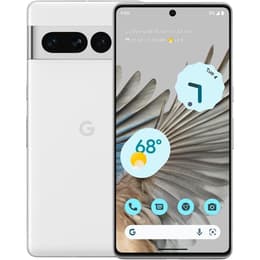
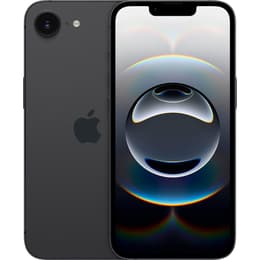
The Google Pixel 7 Pro, released in October 2022, and the iPhone 16E, launched in February 2025, represent distinct approaches to smartphone design and functionality from their respective manufacturers. While the Pixel 7 Pro offers a premium Android experience with a focus on advanced computational photography and a large, high-resolution display, the iPhone 16E provides a streamlined iOS experience in a more compact form factor, integrating Apple's latest processor and AI capabilities. Both devices aim to deliver a capable smartphone experience, but they cater to different user preferences through their operating systems and hardware priorities.
Colour
Storage
When considering the practical lifespan of these devices, several factors come into play, including their release timelines, software support, and physical durability.
Year of Release
OS
Foldable
The performance of a smartphone is crucial for daily tasks, from navigating apps to demanding gaming sessions. Both the Pixel 7 Pro and iPhone 16E offer capable performance, though they achieve it through different hardware and software optimizations.
The display is a primary interface for smartphone interaction, and both devices offer high-quality viewing experiences with distinct characteristics.
Resolution
Both the Google Pixel 7 Pro and the iPhone 16E offer capable camera systems, each with strengths tailored to different photographic preferences and scenarios.
Front camera
Beyond core performance and display, several practical features and design elements differentiate these two smartphones, impacting daily usability and user convenience.
Weight
Screen size (in)
Network
SIM card
Carrier compatibility
Connector
The Google Pixel 7 Pro and the iPhone 16E cater to users with differing priorities, reflecting their respective ecosystems and design philosophies. Users often praise the Pixel 7 Pro for its exceptional camera capabilities, particularly its advanced computational photography features that deliver impressive results in various lighting conditions and zoom ranges. Its large, high-refresh-rate display and clean Android experience are also frequently highlighted as strong points. Some users, however, have noted that its battery life, while generally good, might not always match the very best in its class for heavy usage, and its size can be a factor for those preferring a more compact device.
The iPhone 16E, on the other hand, is often lauded for its integration into the Apple ecosystem, its robust and efficient processor, and its compact, lightweight design. Its battery life is frequently cited as a significant improvement for a 6.1-inch iPhone, offering reliable all-day power for many users. Criticisms might include its standard 60Hz display, which doesn't offer the same smoothness as higher refresh rate panels, and its single rear camera setup, which, while capable, lacks the versatility of multi-lens systems found on more premium devices.
Users prioritizing a versatile camera system with advanced AI features, a large and fluid display, and a pure Android experience may find the Google Pixel 7 Pro well-suited to their needs. Conversely, users who value a compact form factor, long-term software support within the iOS ecosystem, strong overall performance, and a reliable battery life will likely lean towards the iPhone 16E. Both devices offer compelling features, and choosing between them often comes down to personal preference for operating system and specific hardware priorities. For those looking for an eco-friendly alternative, both models are available as quality-assured refurbished options.









