

Compare models
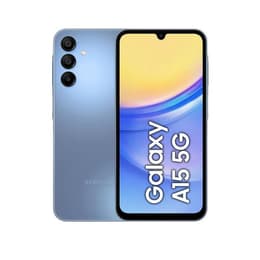
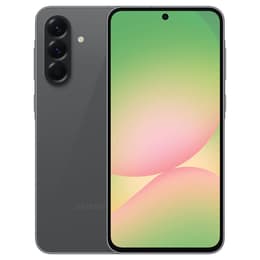
Galaxy A15 5G Vs Galaxy A56
- 1-year minimum warranty
- Free delivery on all orders
- Free 30-day returns
Differences at a glance
The Samsung Galaxy A15 5G, released in late 2023, and the Samsung Galaxy A56, a more recent addition to the lineup, represent different tiers within Samsung's popular mid-range smartphone series. While both devices operate on the Android platform with Samsung's One UI, the Galaxy A56 introduces advancements in performance, camera capabilities, and build quality, positioning it as a more premium option compared to the accessible Galaxy A15 5G.
Available Models
Colour
Storage (GB)
Scores
Durability
The longevity of a smartphone is influenced by its physical resilience and ongoing software support. These two Galaxy models offer distinct approaches to durability and update commitments.
- Software Support: The Galaxy A15 5G is expected to receive four generations of Android OS upgrades and five years of security updates from its release in December 2023. The Galaxy A56, being a newer model released in early 2026, is anticipated to offer a similar or slightly extended support window, likely receiving four to five major OS upgrades and five to six years of security patches, ensuring a longer period of up-to-date features and protection.
- Build Materials: The Galaxy A15 5G features a durable plastic frame and back, designed for everyday use. In contrast, the Galaxy A56 elevates its construction with a glass front and back, often protected by advanced Gorilla Glass, and an aluminum frame, providing enhanced resistance to scratches and drops.
- Environmental Protection: The Galaxy A56 typically includes an IP67 rating for dust and water resistance, offering protection against immersion in shallow water for a limited time. The Galaxy A15 5G does not carry an official IP rating, suggesting less inherent resistance to environmental elements.
Year of Release
2023
2025
Compatible with latest Update
Yes
Yes
OS
Android
Android
Foldable
No
No
Performance
Evaluating the performance of these devices involves looking at how smoothly they handle daily tasks, demanding applications, and multitasking scenarios.
- Processing Power: The Galaxy A15 5G is equipped with a capable processor that efficiently manages common applications and provides a responsive experience for general use and light gaming. The Galaxy A56 incorporates a more advanced current-generation mid-range processor, delivering a noticeable boost in speed and efficiency for more intensive tasks, complex applications, and graphically demanding games.
- Multitasking and Responsiveness: With its processor and available RAM configurations (typically 4GB to 8GB), the Galaxy A15 5G handles switching between a moderate number of applications effectively. The Galaxy A56, often featuring 8GB or 12GB of RAM, offers a more fluid multitasking experience, allowing users to run numerous applications simultaneously without significant slowdowns.
- Battery Endurance: Both devices are generally equipped with a 5000 mAh battery, providing substantial power for extended use. While the Galaxy A56's more powerful components might consume more energy, its optimized processor often ensures comparable or even slightly better overall battery life under typical usage patterns.
Screen quality
The visual experience is a key differentiator, with both phones offering vibrant displays but with varying levels of refinement and capability.
- Display Technology: Both the Galaxy A15 5G and Galaxy A56 feature Super AMOLED displays, known for their deep blacks, high contrast, and vivid color reproduction. This technology provides an engaging viewing experience across both models.
- Refresh Rate and Smoothness: The Galaxy A15 5G offers a 90Hz refresh rate, which provides smoother scrolling and animations compared to standard 60Hz displays. The Galaxy A56 steps up to a 120Hz refresh rate, resulting in an even more fluid and responsive visual experience, particularly noticeable during fast-paced content and navigation.
- Brightness and Clarity: The Galaxy A15 5G's display reaches a peak brightness suitable for indoor and moderate outdoor conditions. The Galaxy A56 typically boasts higher peak brightness levels, often exceeding 1000 nits, which significantly improves visibility and readability in bright sunlight.
Resolution
1080 x 2340
1080 x 2340
Screen type
Super AMOLED
Super AMOLED
Audiovisual
The camera systems on these smartphones cater to different photography needs, with the A56 offering more advanced features and improved image processing.
- Rear Camera System: The Galaxy A15 5G includes a triple camera setup, with a 50-megapixel main sensor capable of capturing clear images in good lighting conditions, alongside an ultrawide and macro lens. The Galaxy A56 also features a versatile triple camera array, typically with an enhanced 50-megapixel main sensor that often includes Optical Image Stabilization (OIS) for sharper photos and more stable videos, especially in challenging light.
- Low-Light Performance: While the Galaxy A15 5G can produce acceptable results in well-lit environments, its low-light performance is more limited. The Galaxy A56, with its potentially larger sensor and OIS on the main camera, generally delivers superior low-light photography with better detail retention and reduced noise.
- Video Recording and Front Camera: Both devices support video recording, but the Galaxy A56 often offers more advanced video features and stabilization. For selfies and video calls, the Galaxy A56 typically features a higher-resolution front camera (e.g., 32-megapixel) compared to the Galaxy A15 5G's 13-megapixel sensor, resulting in more detailed self-portraits.
Main camera
50 megapixels
4K@30fps
Front camera
13 megapixels
13 megapixels
Miscellaneous
Beyond core features, several practical elements contribute to the overall user experience and daily convenience of these devices.
- Connectivity Standards: Both phones support 5G connectivity for fast mobile data. The Galaxy A15 5G typically features Wi-Fi 5 and Bluetooth 5.3. The Galaxy A56 often upgrades to newer standards like Wi-Fi 6, offering faster and more stable wireless connections, and potentially Bluetooth 5.4 for improved accessory pairing.
- Physical Ports: The Galaxy A15 5G retains a 3.5mm headphone jack, providing compatibility with traditional wired audio accessories, alongside a USB-C port for charging and data transfer. The Galaxy A56 typically foregoes the headphone jack, relying solely on its USB-C port for connectivity.
- Biometric Security: The Galaxy A15 5G integrates a side-mounted fingerprint sensor for secure unlocking. The Galaxy A56 often features an in-display fingerprint sensor, offering a more modern and seamless unlocking experience. Both devices also support face recognition.
- Design and Handling: The Galaxy A15 5G has a comfortable, lightweight plastic build. The Galaxy A56, with its glass and metal construction, offers a more premium in-hand feel but is also slightly heavier and potentially larger, which might impact one-handed use for some users.
Weight
200 g
197 g
Screen size (in)
6.5
6.5
Network
5G
5G
SIM card
Dual Physical SIM
Dual Physical SIM + eSIM
Carrier compatibility
Unlocked
Unlocked
What the community thinks
The Samsung Galaxy A15 5G and Galaxy A56 cater to different user expectations within the mid-range segment. User feedback for the Galaxy A15 5G often highlights its excellent AMOLED display, reliable battery life, and commendable software support for its category. Some users note that its performance can be modest for heavy multitasking or demanding applications, and its camera performs best in optimal lighting conditions.
For the Galaxy A56, drawing insights from its predecessor, the A55, users generally praise its balanced performance, premium design, and improved camera capabilities, particularly the inclusion of OIS. Common observations include a vibrant display and robust build quality. Some discussions around the A55 have mentioned occasional software optimization nuances or the absence of a headphone jack as points of consideration.
Users prioritizing core smartphone functionalities, a vibrant display for media consumption, and long-term software updates without requiring top-tier performance for intensive tasks may find the Galaxy A15 5G well-suited to their needs. Conversely, individuals seeking a more refined experience with stronger performance for demanding apps, enhanced photography features, a more premium build, and better environmental protection will likely lean towards the Galaxy A56. Both devices offer a quality-assured refurbished option, providing an eco-friendly alternative for consumers.