

Compare models
Google Pixel 10 Vs iPhone 16e
- 1-year minimum warranty
- Free delivery on all orders
- Free 30-day returns
Differences at a glance
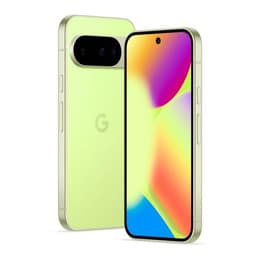
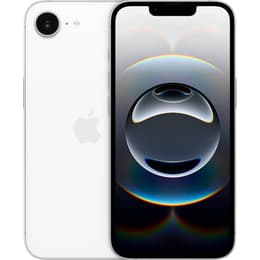
The Google Pixel 10 (2025) and the Apple iPhone 16e (2025) represent contemporary approaches to modern smartphone engineering within distinct software ecosystems. While both devices serve users seeking reliable everyday performance and modern mobile capabilities, they differ fundamentally in operating systems, hardware configuration, and design philosophy.
The Google Pixel 10 runs on Android with an emphasis on integrated artificial intelligence features, whereas the iPhone 16e operates on iOS within Apple's streamlined device ecosystem. Choosing between them depends heavily on preferred software environments and desired everyday functionality.
Available Models
Colour
Storage
Scores
Durability
Both models arrive from recent production cycles, ensuring multi-year support pipelines, though their long-term maintenance profiles differ in software longevity and physical upkeep.
- Software support duration: The Google Pixel 10 benefits from an extended multi-year update commitment covering operating system upgrades and security patches, whereas the iPhone 16e follows standard Apple support lifecycles.
- Repairability and build resilience: Both handsets utilize durable glass and aluminum construction with high-grade dust and water resistance ratings, facilitating straightforward maintenance through standard service channels.
- Expected practical lifespan: Generous system memory allocations and efficient hardware ensure both devices maintain responsive operation over years of continuous daily service.
Year of Release
2025
2025
OS
Android
iOS
Foldable
No
No
Performance
Handling daily operations, demanding applications, and background multitasking smoothly, these smartphones utilize current-generation processors paired with robust memory configurations.
- App loading and multitasking: Both devices switch between intensive applications, browser tabs, and media playback streams without noticeable stutter or slowdown.
- Battery behavior and endurance: Generous internal battery capacities provide dependable all-day power for typical usage patterns like messaging, navigation, and web browsing.
- System responsiveness: Optimized software environments on both platforms deliver fluid scrolling, immediate touch registration, and stable gaming performance.
Screen quality
Visual output relies on advanced display panels designed for outdoor clarity, vibrant color reproduction, and comfortable media consumption.
- Display technology: Both models utilize vibrant OLED panels that deliver deep black levels, high contrast ratios, and sharp text rendering for reading and media viewing.
- Outdoor visibility: High peak brightness capabilities ensure screen content remains legible under direct sunlight or bright ambient lighting conditions.
- Refresh rate and viewing space: Generous screen dimensions combined with smooth visual transitions provide an immersive platform for viewing photos, videos, and documents.
Resolution
1080x2424
2532x1170
Audiovisual
Photography and media capture capabilities differ significantly in hardware versatility, ranging from multi-lens versatility to streamlined single-sensor efficiency.
- Lens configurations: The Google Pixel 10 features a flexible multi-lens array including wide, ultra-wide, and telephoto options, while the iPhone 16e utilizes a streamlined primary camera system supported by high-resolution sensor cropping.
- Low-light and everyday photography: Advanced computational processing on both devices preserves fine details, controls noise in dim environments, and produces natural color tones.
- Video and audio performance: High-definition video stabilization and clear microphone arrays ensure crisp audio-visual recording during calls, video chats, and personal clips.
Front camera
42 megapixels
TrueDepth 12MP
Miscellaneous
Physical dimensions, connectivity standards, and daily handling characteristics dictate how comfortably each device fits into varied user routines.
- Connectivity and ports: Both smartphones support modern 5G cellular networks, rapid Wi-Fi standards, and universal USB-C connectivity for charging and data transfer.
- Biometric security: The Google Pixel 10 incorporates fingerprint recognition alongside facial unlock options, while the iPhone 16e relies exclusively on secure facial authentication.
- Handling and ergonomics: Carefully balanced weight distribution and ergonomic frame designs ensure comfortable one-handed use during extended periods. Choosing a quality-assured refurbished option provides a sustainable, eco-friendly alternative for conscious buyers.
Weight
204 g
167 g
Screen size (in)
6.3
6.1
Network
4G
5G
SIM card
Physical SIM + eSIM
eSIM
Carrier compatibility
Unlocked
Unlocked
Connector
USB-C
USB-C
What the community thinks
Real user feedback from community forums highlights distinct preferences for each device. Owners of the Google Pixel 10 frequently praise its versatile multi-lens camera setup, seamless artificial intelligence integration, and flexible Android customization options. Conversely, users of the iPhone 16e often commend its streamlined user interface, reliable battery endurance, and smooth integration within the broader Apple ecosystem. Common criticisms for both models generally center on the absence of legacy ports and the incremental nature of yearly updates compared to older generations.
Users who prioritize deep software customization, extended system update commitments, and versatile photographic zoom capabilities will find the Google Pixel 10 well-suited to their needs. Meanwhile, users who value a simplified operating system, straightforward everyday reliability, and seamless ecosystem connectivity may lean toward the iPhone 16e. Evaluating these core operational differences helps determine which handset aligns best with individual daily requirements, with quality-assured refurbished choices offering sustainable, eco-friendly pathways to ownership.