

Compare models
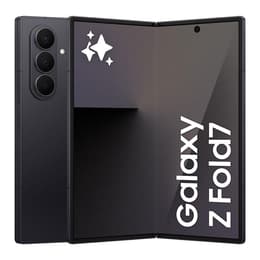
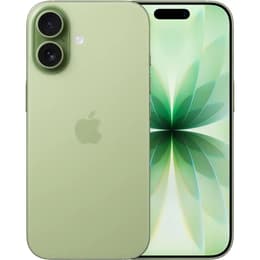
Galaxy Z Fold7 Vs iPhone 17
- 1-year minimum warranty
- Free delivery on all orders
- Free 30-day returns
Differences at a glance
The Samsung Galaxy Z Fold7 (2025) and the iPhone 17 (2025) represent two entirely different visions of modern smartphone design, contrasting a book-style foldable device with a conventional slate form factor. While both smartphones operate at the forefront of mobile technology, they cater to distinct workflows through contrasting operating systems and hardware approaches. Choosing between them depends heavily on whether you prefer expansive dual-screen multitasking or a streamlined, traditional pocketable layout.
Available Models
Colour
Storage (GB)
Scores
Durability
Both devices are engineered for long-term daily service, though their physical and software support lifespans differ based on their complex mechanical nature and manufacturer policies.
- Software Support Timelines: The iPhone 17 benefits from Apple's consistent multi-year iOS update schedule, while the Galaxy Z Fold7 is backed by an extensive commitment of major Android OS upgrades, ensuring long-term feature access for both models.
- Hardware Durability: The iPhone 17 relies on a rigid aluminum and glass slate body with high-level water resistance, whereas the Galaxy Z Fold7 utilizes a sophisticated folding hinge mechanism and flexible inner screen that require careful handling despite reinforced outer protective glass.
- Practical Longevity: Conventional slate devices like the iPhone 17 typically show fewer signs of physical wear over prolonged multi-year cycles compared to folding devices, making them predictable choices for users seeking extended hardware stability.
Year of Release
2025
2025
Compatible with latest Update
Yes
Yes
OS
Android
iOS
Foldable
Yes
No
Performance
Powered by top-tier internal hardware, both smartphones handle demanding daily processes, high-resolution media, and heavy background workloads with exceptional fluidity.
- App Loading and Multitasking: Both models run complex applications and switch between heavy tasks instantly, though the Galaxy Z Fold7 provides an interface optimized for running multiple apps simultaneously side-by-side on its large screen.
- System Responsiveness: High refresh rate displays on both devices ensure smooth scrolling and responsive touch tracking, supported by generous system memory configurations that keep background apps active without stuttering.
- Battery Behavior: The iPhone 17 manages power efficiently for a full day of standard mixed use within a compact chassis, while the Galaxy Z Fold7 distributes its battery load across two distinct displays, meaning heavy reliance on the expansive inner screen results in quicker power consumption.
Screen quality
Display technology is the most dramatic point of divergence between these two devices, offering completely unique visual formats for media consumption and daily navigation.
- Display Technology: The iPhone 17 features a bright, single flat OLED panel with accurate color reproduction and smooth adaptive refresh rates, while the Galaxy Z Fold7 unfolds to reveal a massive tablet-sized flexible AMOLED screen alongside a wide, functional outer cover display.
- Outdoor Visibility: Both panels achieve high peak brightness levels to maintain sharp legibility and vibrant contrast under bright sunlight or direct outdoor lighting conditions.
- Viewing Experience: Users who consume standard media or browse feeds will find the iPhone 17 comfortable in one hand, whereas the Galaxy Z Fold7 transforms into an immersive canvas well-suited for reading digital documents, watching widescreen video, or viewing split-screen content.
Resolution
1968x2184
2622x1206
Audiovisual
Imaging capabilities on both smartphones deliver sharp, detailed photographs and smooth video recording across a variety of lighting environments.
- Camera System Capabilities: The iPhone 17 employs a versatile dual-lens rear layout with high-resolution main and ultra-wide sensors, whereas the Galaxy Z Fold7 utilizes a triple-lens configuration anchored by a high-megapixel primary sensor for extreme detail capture.
- Low-Light and Video: Both devices excel at capturing clear low-light imagery with minimal noise and offer stable, high-definition video recording features complete with advanced stabilization and spatial audio capture.
- Audio and Media Output: Stereo speaker arrays on both models produce clear, balanced sound output for hands-free calls and casual media streaming without requiring external speakers.
Miscellaneous
Physical dimensions, connectivity standards, and daily ergonomic factors define how comfortably each device integrates into personal routines and travel kits.
- Connectivity and Ports: Both models support rapid wireless networking standards, global 5G bands, and universal USB-C connectivity for charging and wired data transfers.
- Security and Biometrics: The iPhone 17 relies on secure facial recognition sensors housed within its display cutout, while the Galaxy Z Fold7 incorporates a fast, side-mounted fingerprint scanner embedded in the power button.
- Handling and Form Factor: The iPhone 17 maintains a lightweight, narrow profile that fits easily into any pocket, whereas the Galaxy Z Fold7 offers a relatively slim profile when closed but carries extra weight and thickness due to its dual-screen and hinge architecture.
Weight
215 g
177 g
Screen size (in)
8.0
6.3
Network
5G
5G
SIM card
Dual Physical SIM + eSIM
eSIM
Carrier compatibility
Unlocked
Unlocked
Connector
USB-C (USB 3)
USB-C
What the community thinks
User feedback highlights distinct community impressions for both devices. Owners of the iPhone 17 frequently praise its reliable battery efficiency, comfortable ergonomics, and polished software integration. Conversely, Galaxy Z Fold7 users heavily praise the productivity boost of the expansive inner screen and the convenience of the wider outer cover display, though some note the added weight and mechanical complexity require extra mindfulness.
Users prioritizing seamless one-handed operation, robust traditional durability, and streamlined pocketability will find the iPhone 17 well-suited to their daily routines. Meanwhile, users who value expansive screen real estate for multitasking, document editing, and immersive media viewing will lean toward the Galaxy Z Fold7.
For those exploring sustainable tech habits, choosing a quality-assured refurbished option through platforms like Back Market offers an eco-friendly alternative to purchasing newly manufactured hardware. Weighing your primary daily tasks against these distinct form factors will ensure a satisfying long-term choice.