
Compare models
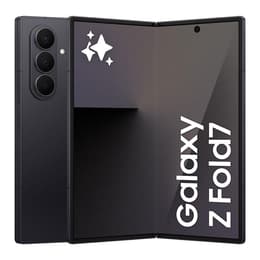
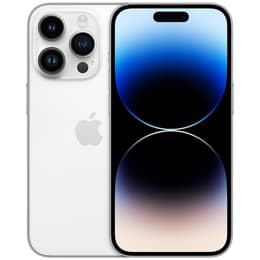
Galaxy Z Fold7 Vs iPhone 14 Pro
- 1-year minimum warranty
- Free delivery on all orders
- Free 30-day returns
Differences at a glance
The Samsung Galaxy Z Fold7 (2025) and the iPhone 14 Pro (2022) represent distinct philosophies in mobile device design, contrasting a large-screen foldable smartphone with a traditional flagship candy-bar form factor. While the Galaxy Z Fold7 provides an expandable tablet-sized display running Android, the iPhone 14 Pro delivers Apple's signature smartphone experience powered by iOS. These devices differ fundamentally in screen architecture, operating systems, and physical dimensions, catering to entirely different daily workflows.
Available Models
Colour
Storage
Scores
Durability
When evaluating the longevity and structural endurance of these devices, several generational and design differences emerge regarding software updates and hardware resilience.
- Software Support Timelines: The Galaxy Z Fold7 benefits from an extended multi-year update window aligned with its recent release, whereas the iPhone 14 Pro operates on Apple's established support schedule, which typically delivers major system updates for several years following its debut.
- Hardware and Structural Resilience: The iPhone 14 Pro features a traditional rigid chassis with ceramic-shield glass and stainless steel borders, while the Galaxy Z Fold7 utilizes a complex folding hinge mechanism and flexible internal layers that require careful handling over years of daily opening and closing.
- Expected Practical Lifespan: Both models maintain high-tier build quality, though traditional slab smartphones like the iPhone 14 Pro generally encounter fewer mechanical wear points over long-term ownership compared to complex foldable displays.
Year of Release
2025
2022
Compatible with latest Update
Yes
Yes
OS
Android
iOS
Foldable
Yes
No
Performance
Underneath their exteriors, both devices manage demanding workloads smoothly, though they handle multitasking and resource allocation differently based on their software environments.
- Multitasking and App Switching: The Galaxy Z Fold7 handles intensive multitasking and split-screen workflows effortlessly with its ample system memory, while the iPhone 14 Pro relies on optimized background task management to keep everyday apps running fluidly.
- Processor Responsiveness: Both models load heavy applications, render graphics, and execute demanding tasks instantly without noticeable stutter, ensuring responsive navigation across everyday use cases.
- Battery Behavior: The iPhone 14 Pro manages power efficiently for a standard-sized footprint, whereas the larger dual-screen configuration of the Galaxy Z Fold7 demands more energy during extended tablet-mode sessions, leading to distinct charging routines for heavy users.
Screen quality
Display technology represents the most striking visual differentiator between these two devices, shaping how users consume media and interact with content.
- Display Configuration: The iPhone 14 Pro features a single rigid OLED panel with high pixel density, whereas the Galaxy Z Fold7 deploys a dual-screen setup consisting of a usable outer cover display and an expansive inner foldable screen that opens into a tablet-like workspace.
- Outdoor Visibility: Both devices offer high peak brightness levels that maintain legibility under direct sunlight, ensuring clear viewing outdoors.
- Visual Fluidity: High refresh rate support on both models enables smooth scrolling animations, responsive touch tracking, and fluid transitions throughout daily interface navigation.
Resolution
1968x2184
1179 x 2556
Audiovisual
Imaging capabilities across both models deliver versatile photography options, though they approach lens configuration and video processing through different software pipelines.
- Camera System Versatility: The Galaxy Z Fold7 incorporates a high-resolution primary sensor alongside ultra-wide and optical zoom options, while the iPhone 14 Pro utilizes a multi-lens array paired with specialized computational photography features for balanced clarity.
- Low-Light and Everyday Capture: Both smartphones process shadows and highlights effectively in challenging lighting conditions, rendering detailed photos during casual daytime or evening use.
- Video and Audio Output: The iPhone 14 Pro excels in stable video recording and cinematic focus adjustments, while media playback through their respective stereo speaker systems delivers clear sound for calls and casual viewing.
Miscellaneous
Practical daily usability is shaped by physical dimensions, connectivity standards, and ergonomic design choices.
- Physical Handling: The iPhone 14 Pro offers a compact, weighted grip that fits easily into standard pockets, whereas the Galaxy Z Fold7 provides a wide cover screen that folds into a slim profile, though it carries a distinct folded thickness.
- Connectivity and Ports: The Galaxy Z Fold7 relies on a modern USB-C port configuration and current wireless standards, while the iPhone 14 Pro utilizes a Lightning connector alongside widespread 5G and Wi-Fi capabilities.
- Authentication Methods: The Galaxy Z Fold7 utilizes side-mounted fingerprint recognition and facial scanning, whereas the iPhone 14 Pro implements secure facial mapping technology housed within its interactive display cutout.
Weight
215 g
206 g
Screen size (in)
8.0
6.1
Network
5G
5G
SIM card
Dual Physical SIM + eSIM
Physical SIM + eSIM
Carrier compatibility
Unlocked
Unlocked
Connector
USB-C (USB 3)
Lightning
What the community thinks
User feedback highlights distinct preferences for each device across community forums. Owners of the iPhone 14 Pro frequently praise its reliable battery performance, durable traditional build, and smooth iOS ecosystem integration. Conversely, Galaxy Z Fold7 users often highlight the productivity benefits of the expansive inner screen and the convenience of the wider cover display for quick tasks. Common concerns for the iPhone focus on the limitations of a standard-sized screen for heavy document editing, while foldable users occasionally note the structural trade-offs inherent to flexible screen technology.
Users prioritizing maximum screen workspace for multitasking and media consumption will find the Galaxy Z Fold7 well-suited to their workflow, while those favoring a pocket-friendly traditional form factor and streamlined software may lean toward the iPhone 14 Pro. For buyers seeking a sustainable choice, a quality-assured refurbished option provides a reliable path to acquiring these high-end devices while reducing electronic waste. Ultimately, the choice depends entirely on whether a traditional smartphone design or an expandable folding screen better matches daily habits.