

Galaxy A56 Vs Galaxy S25 Ultra

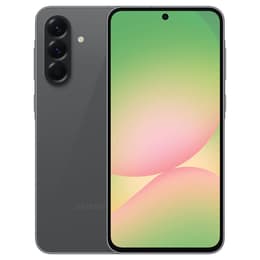
Galaxy A56
Galaxy A56
Starting at

Refurbished price:259.00

Versus €502.00 new

See options
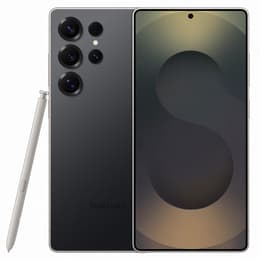
Galaxy S25 Ultra
Galaxy S25 Ultra
Starting at

Refurbished price:735.00

Versus €1,408.78 new

See options

Ratings

The Samsung Galaxy A56, released in March 2025, and the Samsung Galaxy S25 Ultra, launched in February 2025, represent distinct tiers within Samsung's smartphone lineup. While both operate on the Android platform with Samsung's One UI, the Galaxy S25 Ultra is positioned as a premium flagship device, offering advanced capabilities, whereas the Galaxy A56 provides a balanced experience for everyday use. The primary distinctions lie in their processing power, camera systems, and display technologies, catering to different user priorities.

Scores

Durability

When considering the long-term usability of these devices, both offer substantial software support, a key factor in their practical lifespan.

  • Software Updates: The Galaxy S25 Ultra is designed to receive seven years of Android operating system upgrades and security updates, ensuring extended relevance and protection. The Galaxy A56 also offers a robust update policy, with six years of Android OS upgrades and seven years of security updates, providing a long support window for a mid-range device. [2, 3, 8, 17, 29, 32]
  • Build Materials: The Galaxy S25 Ultra features a titanium frame and Corning Gorilla Armor 2 on both the front and back, contributing to its enhanced resistance against drops and scratches. The Galaxy A56 utilizes an aluminum frame with Corning Gorilla Glass Victus+ on both sides, offering strong protection for its segment. [2, 4, 5, 29]
  • Water and Dust Resistance: The Galaxy S25 Ultra carries an IP68 rating, indicating a high level of resistance to dust and immersion in water. The Galaxy A56 is rated IP67, providing protection against dust and temporary submersion in water. [2, 5, 29]

Year of Release

2025

2025

Compatible with latest Update

Yes

Yes

OS

Android

Android

Foldable

No

No

Performance

The performance capabilities of the Galaxy A56 and Galaxy S25 Ultra reflect their respective market segments, with the Ultra model offering significantly more power.

  • Processing Power: The Galaxy S25 Ultra is equipped with a current-generation, top-tier processor, enabling ultra-smooth performance for demanding applications, intensive multitasking, and advanced AI features. The Galaxy A56 features a capable mid-range processor that handles everyday tasks, multitasking, and moderate gaming efficiently. [4, 5, 11, 15, 29]
  • Multitasking and Responsiveness: With its advanced processor and ample RAM options, the Galaxy S25 Ultra provides a highly responsive user experience, allowing for seamless transitions between numerous applications and handling complex operations without noticeable delays. The Galaxy A56 offers smooth performance for typical daily usage, managing multiple apps and general navigation effectively. [2, 4, 5, 11, 15, 29]
  • Storage and Speed: Both devices offer various internal storage configurations, with the Galaxy S25 Ultra utilizing faster UFS 4.0 storage for quicker app loading and data transfer speeds. Neither device supports expandable storage via a microSD card. [2, 3, 19, 29]

Memory (GB)

8 GB

12 GB

Screen quality

The visual experience on these two devices differs considerably, primarily due to their display technologies and specifications.

  • Display Technology and Clarity: The Galaxy S25 Ultra features a 6.9-inch Dynamic LTPO AMOLED 2X display with a QHD+ resolution (1440 x 3120 pixels), delivering exceptional sharpness, deep blacks, and vibrant colors. The Galaxy A56 comes with a 6.7-inch Super AMOLED display with an FHD+ resolution (1080 x 2340 pixels), offering clear visuals and good color reproduction. [1, 2, 3, 15, 29, 30]
  • Brightness and Outdoor Visibility: The Galaxy S25 Ultra can reach a peak brightness of 2600 nits, ensuring excellent visibility even in bright outdoor conditions. The Galaxy A56 offers a peak brightness of 1900 nits, with a high brightness mode of 1200 nits, which provides good readability in most outdoor environments. [1, 2, 4, 29]
  • Smoothness and Responsiveness: Both devices feature a 120Hz refresh rate, contributing to smooth scrolling and fluid animations. The Galaxy S25 Ultra's LTPO technology allows for an adaptive refresh rate, optimizing power consumption based on content. [1, 2, 3, 15, 29]

Resolution

1080 x 2340

1080 x 2340 pixels

Audiovisual

The camera systems are a significant point of divergence, with the Galaxy S25 Ultra offering a more versatile and advanced photography and videography experience.

  • Rear Camera System: The Galaxy S25 Ultra boasts a quad-camera setup, including a 200MP main sensor, a 50MP ultrawide lens, a 10MP telephoto lens with 3x optical zoom, and a 50MP periscope telephoto lens with 5x optical zoom and 10x optical quality zoom. This configuration allows for detailed shots across various focal lengths and advanced zoom capabilities. The Galaxy A56 features a triple-camera system with a 50MP main sensor, a 12MP ultrawide lens, and a 5MP macro lens, providing good image quality for everyday photography. [1, 2, 3, 12, 15, 16, 22, 29, 30]
  • Photography Features and Performance: The S25 Ultra excels in low-light conditions and offers advanced AI features for image processing, including enhanced detail and dynamic range. Its ultrawide camera is also improved for sharper, more detailed shots. The A56's primary camera performs well in bright conditions, capturing detailed photos with rich colors, though its performance in darker scenes is more limited. [2, 4, 12, 20, 21]
  • Video Recording: The Galaxy S25 Ultra supports video recording up to 8K at 30fps and 4K at up to 120fps, with features like 10-bit HDR and log format recording for professional-grade video capture. The Galaxy A56 can record videos up to 4K at 30fps from both its front and rear cameras. [2, 3, 10, 21, 29]

Front camera

13 megapixels

8K@24/30fps

Miscellaneous

Beyond core specifications, several practical elements contribute to the overall user experience of each device.

  • Connectivity and Ports: Both devices support 5G connectivity for fast mobile data. The Galaxy S25 Ultra features Wi-Fi 7, offering the latest in wireless network speeds, while the Galaxy A56 supports Wi-Fi 6. Both utilize a USB Type-C port for charging and data transfer. [2, 5, 6, 29, 30]
  • Biometric Security and Additional Features: The Galaxy S25 Ultra typically includes an ultrasonic in-display fingerprint sensor and supports the S Pen for enhanced productivity and creative tasks. The Galaxy A56 features an optical in-display fingerprint sensor. Both devices incorporate various AI-powered features, such as Circle to Search and object editing tools. [4, 18, 29, 34, 35]
  • Design and Handling: The Galaxy S25 Ultra has dimensions of 162.8 x 77.6 x 8.2 mm and weighs 218g, offering a substantial feel. The Galaxy A56 is slightly more compact and lighter at 162.2 x 77.5 x 7.4 mm and 198g, providing a comfortable grip. [2, 5, 6, 19, 29, 30]

Weight

197 g

2 g

Screen size (in)

6.5

6.9

Network

5G

5G

SIM card

Dual Physical SIM + eSIM

Physical SIM + eSIM

Carrier compatibility

Unlocked

Unlocked

Connector

USB-C

USB-C

User sentiment for the Galaxy S25 Ultra often highlights its exceptional camera capabilities, particularly the versatility of its zoom lenses and its strong performance in various lighting conditions. Users also frequently praise its vibrant and bright display, as well as the smooth and powerful performance for demanding applications and gaming. Some common observations include its substantial size and weight, which can impact one-handed use, and while battery life is generally considered good, some users note it is similar to its predecessor despite processor improvements. [9, 11, 26, 31, 33]

For the Galaxy A56, users appreciate its impressive software support, which is comparable to flagship devices, and its durable build quality with Gorilla Glass Victus+ and IP67 rating. The display is frequently lauded for its brightness and smooth 120Hz refresh rate, offering a premium viewing experience for its category. The primary camera is generally well-regarded for everyday photos in good lighting. Some users have noted that while the processor is capable for daily tasks, it may not satisfy those with intensive gaming or power-user needs, and the secondary cameras might not offer the same level of detail as the main sensor. [4, 5, 20, 27, 28, 34]

Users prioritizing a top-tier camera system with advanced zoom, a highly powerful processor for intensive tasks, and the most premium display technology will find the Galaxy S25 Ultra well-suited to their needs. Those who value long-term software support, a robust build, a vibrant display, and a capable camera for general use, all within a more accessible performance tier, may prefer the Galaxy A56. Both devices offer a quality-assured refurbished option, providing an eco-friendly alternative for consumers.


See all articles

Our recent comparisons