

Compare models

Galaxy Z Flip7 Vs Xiaomi Redmi Note 13 4G

  • 1-year minimum warranty
  • Free delivery on all orders
  • Free 30-day returns
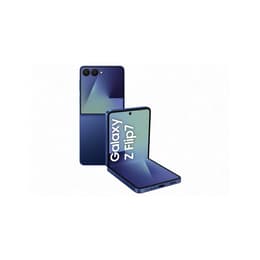
Galaxy Z Flip7
Starting at

Refurbished price:594.00

Versus €1,328.48 new

See options
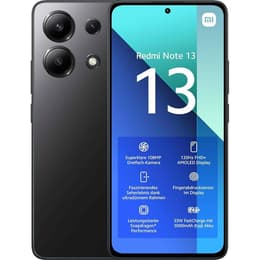
Xiaomi Redmi Note 13 4G
Starting at

Refurbished price:166.00

Versus €299.00 new

See options

Differences at a glance

The Samsung Galaxy Z Flip7 (2025) and the Xiaomi Redmi Note 13 4G (2024) represent two distinct approaches to modern smartphone design, targeting completely different user priorities. While the Galaxy Z Flip7 features a foldable form factor running Android with customized foldable interface features, the Xiaomi Redmi Note 13 4G offers a traditional candy-bar smartphone design centered around everyday utility. These devices differ significantly in their physical construction, core target audiences, and everyday handling experiences.

Available Models

Colour

Storage (GB)

Scores

Durability

When examining longevity and hardware support, both devices approach software updates and durability from unique structural viewpoints.

  • Software support timelines: The Galaxy Z Flip7 benefits from a multi-year update commitment typical of flagship devices, whereas the Xiaomi Redmi Note 13 4G receives standard mid-range Android security and platform updates.
  • Physical durability: The Xiaomi Redmi Note 13 4G features a traditional rigid body structure, while the Galaxy Z Flip7 utilizes a complex folding hinge mechanism that requires careful handling over extended periods.
  • Repairability factors: Traditional candy-bar devices like the Xiaomi model generally present simpler repair processes compared to intricate foldable displays, making a quality-assured refurbished option an appealing, sustainable choice for users wanting modern tech with lower environmental impact.

Year of Release

2025

2024

Compatible with latest Update

Yes

Yes

OS

Android

Android

Foldable

Yes

No

Performance

Daily operation and hardware efficiency vary noticeably between these two models based on their internal system configurations.

  • Multitasking and app execution: The Galaxy Z Flip7 handles demanding applications, graphic-heavy gaming, and simultaneous background processes swiftly, whereas the Xiaomi Redmi Note 13 4G is tailored for smooth everyday tasks like web browsing, messaging, and media streaming.
  • Battery behavior: The Xiaomi model typically sustains standard daily usage comfortably on a single charge, while the foldable device balances a compact footprint with power management that may require a top-up during heavy usage days.
  • Storage configurations: Both models provide ample internal storage options to accommodate photos, applications, and local media files without frequent cleanup.

Screen quality

Display characteristics represent a major differentiator, impacting how users interact with media, text, and daily navigation.

  • Display technology: The Galaxy Z Flip7 utilizes an advanced foldable OLED panel offering deep contrast levels, paired with a functional outer cover screen, whereas the Xiaomi Redmi Note 13 4G features a vibrant flat AMOLED display with a high refresh rate for smooth scrolling.
  • Outdoor visibility: Both screens reach adequate brightness levels for comfortable outdoor readability under direct sunlight conditions.
  • Viewing experience: Users who enjoy compact pocketability paired with an expansive main screen will appreciate the folding mechanism, while those preferring a traditional, uninterrupted flat glass surface will find the Xiaomi display well-suited for long video-watching sessions.

Resolution

1080x2520

1080 x 2400

Audiovisual

Imaging hardware and multimedia output cater to distinct photography preferences and audio-visual consumption habits.

  • Camera versatility: The Galaxy Z Flip7 incorporates flexible camera angles enabled by its folding hinge for creative framing and selfies, while the Xiaomi Redmi Note 13 4G relies on a high-resolution main sensor to capture sharp daylight photos.
  • Low-light and video performance: The foldable model includes advanced image processing features for challenging lighting environments, whereas the mid-range Xiaomi option delivers reliable results for casual social sharing and video calls.
  • Audio output: Both devices offer clear stereo sound production for hands-free calls, casual video viewing, and listening to podcasts without external speakers.

Front camera

10 megapixels

16 megapixels

Miscellaneous

Physical dimensions, connectivity standards, and daily convenience features shape the overall handling of each phone.

  • Connectivity and ports: The Galaxy Z Flip7 supports advanced 5G networks and modern wireless standards, while the Xiaomi Redmi Note 13 4G focuses on 4G connectivity alongside legacy conveniences like a traditional headphone jack.
  • Size and weight: The Samsung device folds compactly to fit easily into small pockets or bags, whereas the Xiaomi model maintains a slim, lightweight profile in a traditional slab shape.
  • Security sensors: Both devices offer responsive biometric authentication options, utilizing facial recognition and fingerprint sensors integrated into their designs.

Weight

188 g

175 g

Screen size (in)

6.9

6.67

Network

5G

4G

SIM card

Physical SIM + eSIM

Dual Physical SIM

Carrier compatibility

Unlocked

Unlocked

Connector

USB-C

USB-C

What the community thinks

User community discussions reveal distinct patterns of praise and common considerations for both devices. Owners of the Galaxy Z Flip7 frequently highlight the convenience of its compact folding size, innovative cover screen utility, and modern processing speeds. At the same time, some users note the physical crease on the main screen and the considerations of managing a hinge mechanism over years of use. On the other hand, users of the Xiaomi Redmi Note 13 4G frequently praise its reliable battery longevity, dependable everyday screen performance, and straightforward utility, though some note limitations when running graphic-intensive mobile games or demanding tasks.

Users prioritizing pocketability, creative camera angles, and advanced processing power may prefer the Galaxy Z Flip7, while users prioritizing straightforward everyday reliability, traditional form factors, and media consumption convenience will lean toward the Xiaomi Redmi Note 13 4G. Choosing between these models depends entirely on individual daily habits and preferences regarding form factor and capability. Exploring a quality-assured refurbished option provides another sustainable path toward acquiring either device while reducing electronic waste.