
Compare models
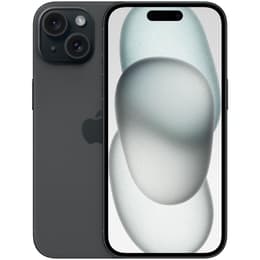
Galaxy Z Flip7 Vs iPhone 15
- 1-year minimum warranty
- Free delivery on all orders
- Free 30-day returns
Differences at a glance
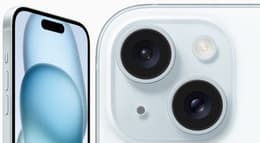
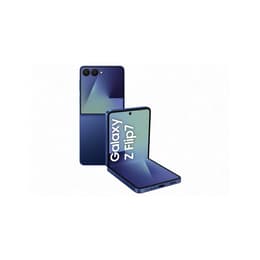
The Samsung Galaxy Z Flip7 (2025) and the Apple iPhone 15 (2023) represent two distinct approaches to modern smartphone design, contrasting a folding clamshell layout with a traditional candy-bar form factor. While the Galaxy Z Flip7 runs on Android with extensive customizable display layouts, the iPhone 15 operates on iOS within a fixed, rigid frame. These structural differences define their unique appeal for everyday mobile users.
Available Models
Colour
Storage (GB)
Scores
Durability
Both models feature modern build engineering designed to handle daily wear, though their mechanical components and software lifecycles differ in practical ways.
- Software Longevity: The iPhone 15 benefits from Apple's long-standing update history, while the Galaxy Z Flip7 provides multi-year Android support backed by current security patches.
- Hardware Durability: The iPhone 15 relies on a rigid aluminum and glass structure, whereas the Galaxy Z Flip7 incorporates a folding hinge mechanism that requires careful handling over years of regular closing and opening.
- Expected Lifespan: Both devices maintain strong structural integrity for standard multi-year use, though rigid slate phones generally face fewer mechanical moving parts over extended timelines.
Year of Release
2025
2023
Compatible with latest Update
Yes
Yes
OS
Android
iOS
Foldable
Yes
No
Performance
Everyday responsiveness and energy management vary between the two platforms, influencing how smoothly apps run and how long the battery holds up under pressure.
- Multitasking and Speed: Both devices handle standard web browsing, social media feeds, and demanding mobile games smoothly, supported by generous system memory configurations.
- Battery Behavior: The iPhone 15 manages daily energy efficiently for standard tasks, while the Galaxy Z Flip7 balances its power consumption across both its internal screen and its expanded outer display.
- Storage Options: Available capacities on both models accommodate extensive photo libraries, offline media, and large application files without frequent clearing.
Screen quality
Visual output differs fundamentally due to the folding display technology of the Samsung device versus the classic fixed panel of the Apple handset.
- Display Technology: The Galaxy Z Flip7 features a flexible OLED panel that folds in half alongside a large outer cover screen, while the iPhone 15 utilizes a rigid OLED Super Retina screen with fixed dimensions.
- Brightness and Clarity: Both screens deliver sharp text reproduction and high peak brightness levels that remain legible under direct outdoor sunlight.
- Refresh Dynamics: The Galaxy Z Flip7 offers a fluid high refresh rate for smooth scrolling, while the iPhone 15 utilizes a standard refresh rate for everyday navigation.
Resolution
1080x2520
1179 x 2556
Audiovisual
Optics and media playback capabilities cater to casual creators and content consumers through distinct hardware configurations.
- Camera Systems: Both models feature high-resolution main sensors paired with ultra-wide options, producing detailed daylight shots and reliable low-light performance.
- Video and Audio: Video recording tools on both devices deliver stable footage with clear stereo sound separation during playback.
- Media Consumption: The iPhone 15 provides a traditional widescreen layout for videos, whereas the Galaxy Z Flip7 allows unique half-folded tabletop positioning for hands-free viewing and recording.
Front camera
10 megapixels
12 megapixels
Miscellaneous
Physical dimensions, connection ports, and everyday handling characteristics shape the practical experience of carrying each device.
- Portability: The Galaxy Z Flip7 folds into a compact square that slips easily into smaller pockets, while the iPhone 15 maintains a slim, traditional profile that fits standard grips.
- Connectivity and Ports: Both options utilize universal USB-C charging ports and support modern wireless networks including 5G.
- Biometric Security: The Galaxy Z Flip7 integrates a side-mounted fingerprint sensor alongside facial recognition, while the iPhone 15 relies exclusively on face-mapping technology.
Weight
188 g
171 g
Screen size (in)
6.9
6.1
Network
5G
5G
SIM card
Physical SIM + eSIM
Physical SIM + eSIM
Carrier compatibility
Unlocked
Unlocked
Connector
USB-C
USB-C (USB 2)
What the community thinks
User feedback from online communities highlights distinct preferences for each device based on physical form factor and software ecosystem. Owners of the Galaxy Z Flip7 frequently praise its compact footprint when folded and the convenience of checking notifications on the outer screen without opening the phone. Conversely, common discussions note that the folding crease remains faintly visible and the hinge requires mindful physical care. iPhone 15 users regularly commend the dependable battery management, reliable camera output, and seamless integration with the broader iOS ecosystem, though some express a desire for higher display refresh rates.
Users prioritizing pocket-space efficiency and a flexible design will find the Galaxy Z Flip7 well-suited to their routine, while users prioritizing a rigid, traditional build and straightforward operating system integration may lean toward the iPhone 15. Choosing a quality-assured refurbished option through platforms like Back Market provides an eco-friendly alternative for acquiring either device while reducing electronic waste. Ultimately, the decision rests on whether a folding clamshell layout or a standard slate format better matches daily habits.