

Galaxy S10e Vs iPhone 14 Pro Max

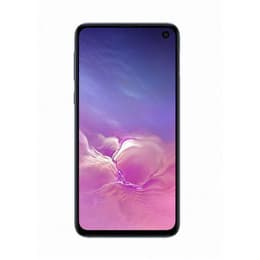
Galaxy S10e
Galaxy S10e
Starting at

Refurbished price:121.00

Versus €759.00 new

See options
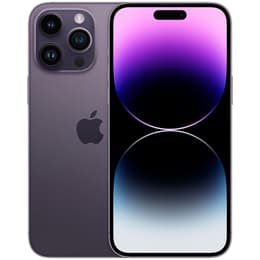
iPhone 14 Pro Max
iPhone 14 Pro Max
Starting at

Refurbished price:446.00

Versus €1,489.00 new

See options

Ratings

The Samsung Galaxy S10e, released in March 2019, and the iPhone 14 Pro Max, launched in September 2022, represent distinct approaches to smartphone design and user experience. While the Galaxy S10e offers a compact form factor running on Android, the iPhone 14 Pro Max provides a larger, premium iOS experience with advanced features. These devices cater to different user preferences, primarily differing in their operating systems, physical size, and the technological advancements introduced across their respective release years.

Scores

Durability

The longevity of a smartphone is influenced by its release timeline, software support, and physical durability. The Galaxy S10e, being an older device, has reached the end of its official software and security update cycle, while the iPhone 14 Pro Max, a more recent model, continues to receive regular updates.

  • Software Support: The Galaxy S10e launched with Android 9.0 and received updates up to Android 12. As of April 2023, it no longer receives major Android OS upgrades or security updates, meaning its software is static. [4, 25, 28, 29, 43] In contrast, the iPhone 14 Pro Max, released with iOS 16, is expected to receive several more years of iOS updates, ensuring access to the latest features and security patches. [2, 8, 13, 38]
  • Physical Durability: Both devices feature IP68 ratings for dust and water resistance, offering protection against immersion. [1, 5, 8, 32] The iPhone 14 Pro Max incorporates a Ceramic Shield front cover and a surgical-grade stainless steel frame, contributing to its overall robustness. [32] The Galaxy S10e also features durable build materials, though it lacks the Ceramic Shield technology.
  • Practical Lifespan: For users prioritizing the latest software and security, the iPhone 14 Pro Max offers a longer practical lifespan due to ongoing support. The Galaxy S10e, while still functional, will not benefit from new software features or critical security updates.

Year of Release

2019

2022

Compatible with latest Update

No

Yes

OS

Android

iOS

Foldable

No

No

Performance

Performance differences between these two devices are significant, reflecting the generational gap and distinct operating system optimizations. The iPhone 14 Pro Max offers a considerably more powerful and efficient experience compared to the Galaxy S10e.

  • Processing Power: The Galaxy S10e is powered by either a Qualcomm Snapdragon 855 or Samsung Exynos 9820 processor, which provided strong performance for its time, handling everyday apps and multitasking smoothly. [3, 5, 10, 26, 31, 35, 37] The iPhone 14 Pro Max features the A16 Bionic chip, which delivers substantially faster CPU and GPU speeds, resulting in exceptionally smooth performance for demanding applications, high-fidelity gaming, and complex multitasking. [1, 2, 8, 11, 13, 16, 32, 36, 38]
  • Battery Behavior: The Galaxy S10e has a 3100 mAh battery, with real-world usage often indicating that heavy users might need to charge it more than once a day. [4, 18, 39, 41, 42] The iPhone 14 Pro Max, with its 4323 mAh battery and efficient processor, is known for its excellent battery life, frequently lasting over a full day even with intensive use. [7, 9, 16, 23, 24, 33]
  • Storage and Responsiveness: Both devices offer various internal storage options, with the Galaxy S10e providing expandable storage via a microSD card, a feature absent on the iPhone 14 Pro Max. [3, 5, 10, 15, 21, 31, 35, 38] The iPhone 14 Pro Max's combination of a powerful processor and optimized iOS ensures a highly responsive user experience, with quick app launches and seamless transitions.

Memory (GB)

6 GB

6 GB

Screen quality

The display technologies in both devices offer vibrant visuals, but the iPhone 14 Pro Max incorporates more advanced features and higher brightness levels.

  • Display Technology and Clarity: The Galaxy S10e features a 5.8-inch Dynamic AMOLED display with a resolution of 2280x1080 pixels, providing clear and colorful visuals. [4, 5, 10] The iPhone 14 Pro Max boasts a larger 6.7-inch Super Retina XDR OLED display with a resolution of 2796x1290 pixels, offering superior clarity and deeper blacks. [1, 2, 8, 19, 34, 38]
  • Brightness and Refresh Rate: The iPhone 14 Pro Max's display can reach a typical maximum brightness of 1000 nits, with peak brightness up to 1600 nits for HDR content and an impressive 2000 nits outdoors, making it highly visible in bright conditions. [1, 2, 19, 34, 38] The Galaxy S10e's display, while bright for its generation, does not reach these peak levels. The iPhone 14 Pro Max also features ProMotion technology, offering an adaptive refresh rate from 1Hz to 120Hz for smoother scrolling and more fluid animations, whereas the Galaxy S10e has a standard 60Hz refresh rate. [1, 2, 19, 38]
  • Viewing Experience: The larger screen size of the iPhone 14 Pro Max, combined with its higher resolution and adaptive refresh rate, provides a more immersive and fluid viewing experience, particularly for media consumption and gaming. The Galaxy S10e's smaller screen is well-suited for one-handed use and portability.

Resolution

1080 x 2280

1290 x 2796

Screen type

Dynamic AMOLED

LTPO Super Retina XDR OLED

Audiovisual

The camera systems of these two smartphones reflect different eras of mobile photography, with the iPhone 14 Pro Max offering a more versatile and advanced setup.

  • Rear Camera Capabilities: The Galaxy S10e features a dual-camera system with a 12MP main sensor (variable aperture f/1.5-f/2.4 with OIS) and a 16MP ultrawide lens (f/2.2, 123-degree field of view). [3, 5, 6, 10, 15, 20, 22, 35] It lacks a dedicated telephoto lens. The iPhone 14 Pro Max comes with a triple-camera system: a 48MP main sensor (f/1.78, sensor-shift OIS), a 12MP ultrawide (f/2.2, 120-degree FOV), and a 12MP 3x telephoto lens (f/2.8 with OIS). [1, 12, 16, 17, 21, 27, 38] The iPhone's main sensor can also provide a 2x optical zoom by cropping. [1, 12, 16]
  • Photography Performance: The iPhone 14 Pro Max benefits from a larger main sensor and Apple's Photonic Engine, which significantly enhances low-light performance and overall detail. [1, 16, 32] It can capture 48MP images in ProRAW mode, offering greater flexibility for editing. [12, 17] The Galaxy S10e's cameras performed well in good lighting conditions for its time, but its low-light performance was noted as less competitive compared to contemporary flagships. [3, 6, 15]
  • Video and Audio: Both devices are capable of 4K video recording, with the iPhone 14 Pro Max offering advanced features like Cinematic mode (4K HDR at 30fps) and Action mode for enhanced stabilization. [1, 16, 17] The Galaxy S10e also supports HDR10+ video recording and a 'Super Steady' stabilization feature. [20, 22] The iPhone 14 Pro Max also features improved microphone quality and speaker output for media consumption. [16]

Main camera

12 megapixels

48 megapixels

Front camera

10 megapixels

12 megapixels

Miscellaneous

Beyond core performance and camera, several practical elements differentiate these two devices, impacting daily usability and connectivity.

  • Connectivity and Ports: The iPhone 14 Pro Max supports 5G cellular connectivity, offering faster network speeds where available, while the Galaxy S10e is limited to 4G LTE. [8] Both support modern Wi-Fi standards, with the S10e supporting Wi-Fi 6 (802.11ax) and the 14 Pro Max also supporting Wi-Fi 6. [5, 8] The Galaxy S10e includes a 3.5mm headphone jack and a USB-C port, offering broad compatibility. [3] The iPhone 14 Pro Max uses a Lightning port and omits the headphone jack. [8, 38]
  • Biometric Security and Features: The Galaxy S10e features a side-mounted fingerprint sensor and face unlock. [3, 5, 35] The iPhone 14 Pro Max relies on Face ID for secure facial recognition and also includes a LiDAR scanner for improved augmented reality experiences and low-light focusing. [2, 13, 32] The iPhone 14 Pro Max also introduced safety features like Emergency SOS via Satellite and Crash Detection. [2, 13, 16]
  • Design and Handling: The Galaxy S10e is a notably more compact and lighter device, measuring 142.2 x 69.9 x 7.9 mm and weighing 150g, making it easier for one-handed use and pocketability. [5, 31] The iPhone 14 Pro Max is a larger and heavier device at 160.7 x 77.6 x 7.85 mm and 240g, which can be more challenging for single-handed operation but provides a larger display area. [2, 8, 13, 38]

Weight

150 g

120 g

Screen size (in)

5.8

6.7

Network

4G

5G

SIM card

Physical SIM

Physical SIM + eSIM

Carrier compatibility

Unlocked

Unlocked

Connector

USB-C + Jack 3.5mm

Lightning

User feedback for the Galaxy S10e often highlights its appeal as a compact, feature-rich Android device, particularly appreciated by those who prefer smaller phones and the convenience of a headphone jack and expandable storage. [3, 15] Criticisms frequently centered on its battery life for heavy users and its camera performance in challenging lighting conditions compared to some rivals of its era. [3, 6, 15, 18, 39, 41, 42]

The iPhone 14 Pro Max, on the other hand, receives consistent praise for its exceptional camera capabilities, robust performance, and industry-leading battery life. [16, 32] Users value its vibrant display and the innovative Dynamic Island. Common concerns include its substantial size and weight, which can impact handling for some, and the continued use of the Lightning port. [16, 32]

Users prioritizing a compact form factor, a 3.5mm headphone jack, and expandable storage may find the Galaxy S10e well-suited to their needs, especially if they are comfortable with an older software experience. Conversely, users who prioritize cutting-edge camera technology, extended battery life, a large and fluid display, and long-term software support will likely lean towards the iPhone 14 Pro Max. Both devices, when considering their respective strengths, offer distinct advantages for different user profiles. For those seeking a more sustainable choice, both models are available as quality-assured refurbished options, extending their lifespan and reducing electronic waste.

See all articles

Our recent comparisons