

Galaxy Z Flip6 Vs iPhone 16 Pro

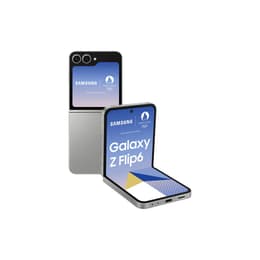
Galaxy Z Flip6
Galaxy Z Flip6
Starting at

Refurbished price:420.00

Versus €1,199.99 new

See options
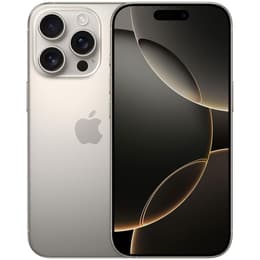
iPhone 16 Pro
iPhone 16 Pro
Starting at

Refurbished price:669.00

Versus €1,239.00 new

See options

Ratings

The Samsung Galaxy Z Flip6 and the iPhone 16 Pro represent distinct approaches to modern smartphone design and functionality. Released in July 2024, the Galaxy Z Flip6 offers a unique foldable form factor running on Android, emphasizing portability and a novel user experience. The iPhone 16 Pro, launched in September 2024, maintains a traditional slate design with Apple's iOS, focusing on refined performance, advanced camera capabilities, and a premium build. These devices cater to different user preferences, with the Flip6 appealing to those seeking innovation and compactness, while the iPhone 16 Pro targets users prioritizing a robust ecosystem and consistent high-end features.

Scores

Durability

When considering the long-term usability of these devices, their release timelines and software support are key factors.

  • Release Timeline: The Galaxy Z Flip6 was released in July 2024 and was succeeded by the Z Flip 7 in July 2025, indicating a yearly refresh cycle for the foldable line. The iPhone 16 Pro, released in September 2024, was also succeeded by the iPhone 17 Pro in September 2025.
  • Software Longevity: Samsung has committed to 7 years of OS and security updates for the Galaxy Z Flip6, offering extensive software support. The iPhone 16 Pro, running on iOS, typically receives major OS updates for approximately 5-6 years from its release, with current iOS 26.4 as of March 2026.
  • Physical Durability: The Galaxy Z Flip6 features an IP48 rating for dust and water resistance, an improvement over previous models, and uses Gorilla Glass Victus 2 for its cover screen and back panel. Its inner foldable screen, however, is more susceptible to scratches from everyday use. The iPhone 16 Pro boasts a Ceramic Shield front and a titanium frame, contributing to its overall robustness and IP68 water and dust resistance. While its thinner bezels raised some initial durability concerns in drop tests, the Ceramic Shield is noted for its improved strength.

Year of Release

2024

2024

Compatible with latest Update

Yes

Yes

Foldable

Yes

No

Performance

Both devices offer high-level performance, but their underlying architectures and real-world usage impacts differ.

  • Processing Power: The Galaxy Z Flip6 is equipped with a current-generation processor, which contributes to efficient performance and improved battery life. The iPhone 16 Pro features Apple's A18 Pro chip, designed for demanding applications and smooth multitasking.
  • System Responsiveness: Users of the iPhone 16 Pro generally report a very smooth and responsive experience across the operating system and applications, though some social media apps might not consistently utilize the full refresh rate. The Galaxy Z Flip6 also provides a fluid experience, with its processor efficiently handling daily tasks and gaming.
  • Storage and Multitasking: The Galaxy Z Flip6 comes with 12GB of RAM and storage options up to 512GB. The iPhone 16 Pro offers 8GB of RAM and a wider range of storage capacities, from 128GB up to 1TB, providing ample space for various user needs.

Memory (GB)

12 GB

8 GB

Screen quality

The display technologies on these two smartphones offer distinct visual experiences, largely due to their form factors.

  • Display Technology and Size: The Galaxy Z Flip6 features a 6.7-inch Foldable Dynamic AMOLED 2X main display with a 120Hz refresh rate, offering vibrant colors and deep blacks. It also includes a 3.4-inch Super AMOLED cover display for quick interactions. The iPhone 16 Pro has a 6.3-inch Super Retina XDR OLED display with ProMotion technology, providing adaptive refresh rates up to 120Hz.
  • Resolution and Clarity: The Flip6's main display has a resolution of 1080 x 2640 pixels, resulting in approximately 426 pixels per inch (ppi), ensuring sharp visuals. The iPhone 16 Pro offers a resolution of 2622 x 1206 pixels at 460 ppi, delivering high clarity for text and images.
  • Brightness and Viewing Experience: Both devices offer excellent brightness levels. The Galaxy Z Flip6's main display can reach high peak brightness, enhancing outdoor visibility. The iPhone 16 Pro features 1000 nits typical brightness and up to 2000 nits peak brightness, making it highly visible in various lighting conditions. The Flip6's foldable nature allows for unique viewing angles and a compact form factor, while the iPhone 16 Pro provides a consistent, expansive display.

Resolution

1080 x 2640

1206 x 2622

Screen type

Foldable Dynamic LTPO AMOLED 2X

LTPO Super Retina XDR OLED

Audiovisual

Both smartphones offer advanced camera systems, but with different strengths and features tailored to their respective designs.

  • Rear Camera Systems: The Galaxy Z Flip6 features a dual-camera setup on the rear, including a 50MP wide-angle primary camera and a 12MP ultra-wide-angle camera. Users generally find the outer cameras to be of good quality. The iPhone 16 Pro boasts a Pro camera system with a 48MP wide, a 48MP ultra-wide, and a 12MP telephoto lens with 5x optical zoom. The new 48MP Ultra Wide camera on the iPhone 16 Pro includes autofocus for improved detail.
  • Photography Performance: The iPhone 16 Pro is noted for its clear camera and improved low-light performance, with features like next-generation Photographic Styles offering more control over image aesthetics. While the Flip6's outer cameras perform well, its inner camera may struggle in low-light conditions.
  • Video Recording and Front Camera: The iPhone 16 Pro supports 4K120 fps video recording in Dolby Vision, offering high-resolution and high frame-rate video capabilities. It also has a 12MP TrueDepth front camera. The Galaxy Z Flip6 records 4K video at 60 fps and has a 10MP front camera. The ability to use the main rear cameras for selfies via the cover screen is a notable advantage for the Flip6.

Main camera

50 megapixels

48 megapixels

Front camera

10 megapixels

12 megapixels

Miscellaneous

Beyond core features, several practical elements differentiate these two devices in daily use.

  • Connectivity and Ports: The Galaxy Z Flip6 supports 5G, LTE, Wi-Fi 6E, and Bluetooth 5.3, and features a USB-C port for charging and data transfer. The iPhone 16 Pro offers advanced connectivity with Wi-Fi 7 and 5G, and also includes a USB-C port that supports USB 3 transfer speeds up to 10Gb/s.
  • Biometric Security: The iPhone 16 Pro relies on Face ID for secure authentication. The Galaxy Z Flip6 typically integrates a fingerprint scanner into its power button for biometric access.
  • Design and Handling: The Galaxy Z Flip6's clamshell design allows it to fold into a compact form, making it easy to carry in pockets or small bags. It features an armored aluminum frame. The iPhone 16 Pro, with its titanium build, offers a premium feel and a sturdy, substantial weight that some users appreciate.
  • Unique Features: The Flip6's cover screen provides interactive widgets and quick access to functions without unfolding the device. The iPhone 16 Pro includes the Dynamic Island for interactive alerts and activities, and a new 'Camera Control' button for quick photo and video capture.

Weight

187 g

199 g

Screen size (in)

6.7

6.3

Network

5G

5G

SIM card

Physical SIM + eSIM

eSIM

Carrier compatibility

Unlocked

Unlocked

The choice between the Galaxy Z Flip6 and the iPhone 16 Pro ultimately depends on individual priorities and usage patterns. Users who value a compact, innovative design and the versatility of a foldable screen will find the Galaxy Z Flip6 appealing. Its ability to fold makes it highly portable, and the cover screen offers convenient quick interactions. The extended software support from Samsung also provides long-term value for Android enthusiasts. However, those who prioritize a consistently robust camera experience, especially in varied lighting conditions, and a traditional, highly durable slab phone design with a strong ecosystem, may lean towards the iPhone 16 Pro. Its advanced processor and optimized software deliver a consistently smooth performance.

Common praise for the Galaxy Z Flip6 often highlights its unique form factor, improved battery life over predecessors, and the utility of its cover screen. Criticisms sometimes point to the durability of the inner screen and the performance of the internal camera in low light. For the iPhone 16 Pro, users frequently commend its overall build quality, powerful camera system, and reliable battery life. Some user concerns have included the potential fragility of the thin bezels and occasional software quirks. Both devices represent top-tier offerings in their respective categories, with the Flip6 pushing the boundaries of form factor innovation and the iPhone 16 Pro refining the traditional smartphone experience. For those considering a quality-assured refurbished option, both models offer an eco-friendly alternative to purchasing new.


See all articles

Our recent comparisons