

Galaxy Z Flip5 Vs iPhone 12 mini

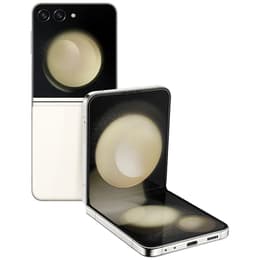
Galaxy Z Flip5
Galaxy Z Flip5
Starting at

Refurbished price:357.00

Versus €1,470.83 new

See options
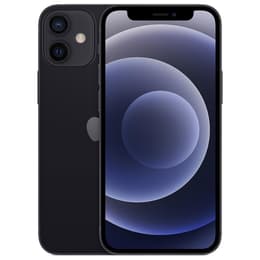
iPhone 12 mini
iPhone 12 mini
Starting at

Refurbished price:146.50

Versus €689.00 new

See options

Ratings

The Samsung Galaxy Z Flip5, released in August 2023, and the Apple iPhone 12 Mini, launched in November 2020, represent distinct philosophies in smartphone design. The Z Flip5 offers an innovative foldable clamshell form factor, providing a large screen experience that folds into a compact size, running on the Android operating system. In contrast, the iPhone 12 Mini delivers a traditional, exceptionally small slab design within Apple's iOS ecosystem, catering to users who prioritize ultimate one-handed usability and a familiar interface.

Scores

Durability

These devices differ significantly in their expected software support and physical durability characteristics, influenced by their release timelines and design approaches.

  • Software Longevity: The Galaxy Z Flip5, being a newer device, is expected to receive four major Android operating system updates and five years of security updates from its release, extending its software relevance into the future. The iPhone 12 Mini, having been released in 2020, typically receives major iOS updates for approximately five to six years from its launch, with security updates often continuing beyond that.
  • Physical Durability: The Z Flip5 features a foldable display protected by ultra-thin glass, which includes a visible crease and requires careful handling. It incorporates an Armor Aluminum frame and offers IPX8 water resistance, meaning it can withstand submersion in water but does not have official dust resistance. The iPhone 12 Mini utilizes a Ceramic Shield front cover, designed for enhanced drop performance, and provides IP68 water and dust resistance, offering robust protection against environmental elements.
  • Practical Lifespan: Users prioritizing the latest software features and security updates for the longest possible duration may find the Z Flip5 more appealing due to its newer release date and Samsung's update policy. However, the iPhone 12 Mini's traditional, non-folding design might offer a more predictable long-term physical resilience for some users, despite its shorter remaining software update window.

Year of Release

2023

2020

Compatible with latest Update

Yes

Yes

OS

Android

iOS

Foldable

Yes

No

Performance

Performance and battery behavior are key differentiators between these two devices, impacting how they handle daily tasks and sustain usage.

  • Processor Capabilities: The Galaxy Z Flip5 is equipped with a current-generation processor designed for demanding applications and efficient multitasking, ensuring smooth operation across various tasks. The iPhone 12 Mini features a powerful processor that delivers responsive performance for everyday apps, gaming, and video editing, maintaining fluidity even with intensive use.
  • Multitasking and Storage: The Z Flip5 typically comes with 8GB of RAM, which contributes to smooth transitions between multiple open applications and efficient background process management. The iPhone 12 Mini includes 4GB of RAM, which is optimized by its operating system to provide a fluid user experience for most common tasks. Both devices offer various internal storage configurations, allowing users to choose based on their needs for apps, photos, and videos.
  • Battery Behavior: The Galaxy Z Flip5 houses a 3,700 mAh battery, which, combined with software optimizations and a power-efficient processor, often translates to a full day of moderate use for many users, with some tests showing around 10 hours of video streaming or 9 hours of mixed use. The iPhone 12 Mini, due to its compact size, contains a smaller 2,227 mAh battery. Heavy users often report needing to recharge before the end of a full day, with battery tests indicating around 7-8 hours of heavy use or 10 hours of video rundown.

Memory (GB)

8 GB

4 GB

Screen quality

The display technologies and sizes of these smartphones offer distinct visual and interactive experiences.

  • Display Technology and Size: The Galaxy Z Flip5 features a 6.7-inch Foldable Dynamic AMOLED 2X main display when unfolded, offering vibrant colors, deep blacks, and a smooth 120Hz refresh rate for fluid scrolling and interactions. It also includes a functional 3.4-inch Super AMOLED cover screen for quick access to widgets and notifications. The iPhone 12 Mini has a 5.4-inch Super Retina XDR OLED display, known for its excellent color accuracy and brightness, but with a standard 60Hz refresh rate.
  • Resolution and Clarity: The Z Flip5's main display has a resolution of 1080 x 2640 pixels, providing a sharp viewing experience. The iPhone 12 Mini's smaller screen boasts a resolution of 2340 x 1080 pixels, resulting in a higher pixel density of 476 pixels per inch, which contributes to its crisp visual output.
  • Brightness and Viewing Experience: Both devices offer bright displays suitable for various lighting conditions. The Z Flip5's main screen can reach a peak brightness of 1750 nits, enhancing visibility outdoors. The iPhone 12 Mini offers a typical brightness of 625 nits and a peak brightness of 1200 nits for HDR content, ensuring good readability and vibrant HDR playback.

Resolution

1080 x 2640

1080 x 2340

Screen type

Foldable Dynamic AMOLED 2X

Super Retina XDR OLED

Audiovisual

Both smartphones provide capable camera systems, though with differences in their configurations and features.

  • Rear Camera System: The Galaxy Z Flip5 features a dual-camera setup on the rear, consisting of a 12-megapixel wide-angle lens with a wide aperture and a 12-megapixel ultra-wide-angle lens. The iPhone 12 Mini also has a dual 12-megapixel rear camera system, with a wide-angle lens featuring a wider aperture for improved low-light performance and an ultra-wide-angle lens.
  • Photography Performance: The Z Flip5's camera system benefits from its processor for image processing, delivering clear and detailed photos in various conditions. The iPhone 12 Mini is noted for capturing excellent photos with vibrant colors and good detail, especially with improved low-light performance compared to older models, and its Night mode is available across all cameras.
  • Video Recording and Front Camera: Both devices offer high-quality video recording. The Z Flip5 can record 4K video, while the iPhone 12 Mini supports 4K video recording at up to 60 frames per second and includes Dolby Vision HDR video recording at up to 30 frames per second. For selfies and video calls, the Z Flip5 has a 10-megapixel front camera, while the iPhone 12 Mini features a 12-megapixel front camera.

Main camera

12 megapixels

12 megapixels

Front camera

10 megapixels

12 megapixels

Miscellaneous

Beyond core functionalities, several practical elements distinguish the Galaxy Z Flip5 and iPhone 12 Mini in terms of connectivity, physical attributes, and user interaction.

  • Connectivity Options: Both devices support 5G connectivity for fast mobile data speeds. The Z Flip5 generally incorporates newer Wi-Fi 6 and Bluetooth 5.3 standards, potentially offering more robust and faster wireless connections. The iPhone 12 Mini supports Wi-Fi 6 and Bluetooth 5.0.
  • Ports and Biometrics: The Galaxy Z Flip5 uses a USB-C 2.0 port for charging and data transfer, a widely adopted standard, and features a side-mounted fingerprint sensor for secure unlocking. The iPhone 12 Mini uses a Lightning port and relies on Face ID for biometric authentication. The iPhone 12 Mini also introduced MagSafe, allowing for magnetic attachment of accessories and wireless charging.
  • Weight and Dimensions: The Z Flip5, when unfolded, measures 165.1 x 71.9 x 6.9 mm and weighs 187 grams. When folded, it becomes significantly more compact, enhancing portability. The iPhone 12 Mini is a notably smaller and lighter device, measuring 131.5 x 64.2 x 7.4 mm and weighing 135 grams, making it highly suitable for one-handed use and fitting into smaller pockets.

Weight

187 g

135 g

Screen size (in)

6.7

5.4

Network

5G

5G

SIM card

Physical SIM + eSIM

Physical SIM + eSIM

Carrier compatibility

Unlocked

Unlocked

The Galaxy Z Flip5 and iPhone 12 Mini cater to different user preferences, primarily defined by their form factors and operating systems. Users often praise the Z Flip5 for its innovative foldable design, which offers a large screen for media consumption and productivity while folding into a highly portable device. The larger cover screen on the Z Flip5 is frequently highlighted as a significant improvement, enhancing quick interactions without needing to unfold the phone. Some users, however, note that while battery life has improved, it may still require careful management for heavy usage.

The iPhone 12 Mini is frequently lauded by users who prefer a compact smartphone that is easy to handle with one hand and fits comfortably in smaller pockets. Its performance and camera capabilities are generally well-regarded, offering a premium experience in a small package. A common criticism, however, revolves around its battery life, which many heavy users find to be insufficient for a full day without recharging.

Users prioritizing a modern, large-screen experience that can fold into a highly portable form factor, coupled with the flexibility of the Android ecosystem, may find the Galaxy Z Flip5 well-suited to their needs. Those who value ultimate compactness, seamless integration within the Apple ecosystem, and a traditional, robust smartphone design, even with a smaller battery, might lean toward the iPhone 12 Mini. Both devices offer distinct advantages, and choosing between them depends on individual priorities regarding design, operating system, and daily usage patterns. For those considering either of these models, exploring quality-assured refurbished options can be an eco-friendly alternative to extend the life cycle of these devices.

See all articles

Our recent comparisons