

iPhone 12 mini Vs Xiaomi Redmi Note 13 Pro+

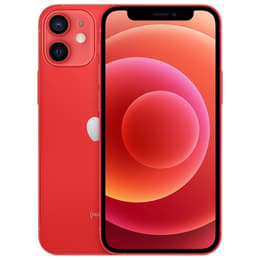
iPhone 12 mini
iPhone 12 mini
Starting at

Refurbished price:146.50

Versus €689.00 new

See options
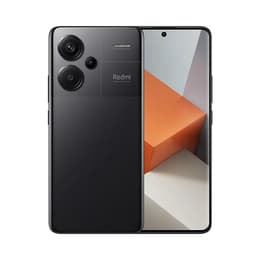
Xiaomi Redmi Note 13 Pro+
Starting at

Refurbished price:198.00

Versus €449.00 new

See options

Ratings

The iPhone 12 Mini, released in late 2020, and the Xiaomi Redmi Note 13 Pro+, launched globally in early 2024, represent distinct approaches to smartphone design and functionality. While the iPhone 12 Mini emphasizes a compact form factor within the iOS ecosystem, the Redmi Note 13 Pro+ offers a larger display and a feature-rich Android experience. Both devices provide 5G connectivity and advanced display technologies, but they cater to different user preferences regarding size, operating system, and specific capabilities.

Scores

Durability

The longevity of a smartphone is influenced by its release timeline, software support, and physical durability.

  • Release Timeline and Software Support: The iPhone 12 Mini, launched in November 2020, benefits from Apple's extended software support, typically receiving iOS updates for five to six years from its release. This means it is expected to continue receiving major OS updates for a few more years. The Xiaomi Redmi Note 13 Pro+, released globally in January 2024, is promised three major Android OS updates and four years of security patches, extending its software relevance well into the future. [7, 8, 17, 25, 30]
  • Repairability: The iPhone 12 Mini received a repairability score of 6 out of 10 from iFixit, indicating that while major components like the display and battery are relatively accessible, specialized tools and waterproofing measures can complicate repairs. [13, 14, 15, 16, 21] The Redmi Note 13 Pro+ has an average repairability score of 6.5 out of 10, with pull tabs for battery removal being a positive, but adhesive for the back cover and complex screen disassembly posing challenges. [22]
  • Physical Durability: Both devices feature robust build qualities. The iPhone 12 Mini incorporates a Ceramic Shield front cover, designed for enhanced drop performance, and an IP68 rating for dust and water resistance. [18, 19, 29, 33] The Redmi Note 13 Pro+ also boasts an IP68 rating and is protected by Corning Gorilla Glass Victus on its display, offering strong resistance against drops and scratches. [2, 8, 11, 23, 24, 26, 27, 32, 35]

Year of Release

2020

2023

Compatible with latest Update

Yes

Yes

OS

iOS

Android

Foldable

No

No

Performance

Performance in daily use is a key differentiator, impacting how smoothly applications run and how efficiently tasks are handled.

  • System Responsiveness: The iPhone 12 Mini is powered by a capable processor that ensures smooth navigation and efficient handling of everyday applications. Users can expect fluid transitions and quick app launches, even with multiple applications running in the background. [1, 7, 17, 19, 33] The Redmi Note 13 Pro+ features a current-generation processor designed for high-speed output, providing a smooth experience for mobile gaming and demanding applications. [2, 6, 8, 9, 11, 23, 25, 27, 28, 30, 31, 34, 36]
  • Multitasking and Storage: The iPhone 12 Mini comes with 4GB of RAM, which is sufficient for typical smartphone usage and multitasking. Storage options range from 64GB to 256GB. [1, 7, 17, 19, 20, 33] The Redmi Note 13 Pro+ offers more generous RAM configurations, starting from 8GB and going up to 16GB, paired with 256GB or 512GB of internal storage, facilitating extensive multitasking and ample space for media and applications. [2, 8, 9, 11, 23, 27, 30, 35, 36]
  • Battery Behavior: The iPhone 12 Mini's smaller battery capacity means that heavy users may find themselves needing to recharge before the end of a full day. [1, 7, 16, 33] In contrast, the Redmi Note 13 Pro+ is equipped with a larger battery, generally providing about 1.5 days of use on a single charge for many users, though some reports indicate it consumes more power during certain activities. [2, 4, 6, 9, 11, 23, 24, 25, 27, 28, 31, 35, 39]

Memory (GB)

4 GB

12 GB

Screen quality

The visual experience is largely defined by the quality and characteristics of the display.

  • Display Technology and Clarity: Both devices feature OLED display technology, known for deep blacks and vibrant colors. The iPhone 12 Mini has a 5.4-inch Super Retina XDR OLED display with a resolution of 2340x1080 pixels, resulting in a high pixel density of 476 ppi, offering a sharp and detailed viewing experience. [1, 3, 5, 18, 33] The Redmi Note 13 Pro+ sports a larger 6.67-inch AMOLED display with a 2712x1220 pixel resolution and 446 ppi, also providing a clear and immersive visual. [2, 8, 10, 11, 23, 24, 26, 27, 28, 31, 32, 35, 36]
  • Brightness and Refresh Rate: The iPhone 12 Mini offers a typical maximum brightness of 625 nits, peaking at 1200 nits for HDR content, and a standard 60Hz refresh rate. [3, 18] The Redmi Note 13 Pro+ excels in brightness with a peak of 1800 nits and features an adaptive 120Hz refresh rate, providing smoother scrolling and more fluid animations, which can be particularly noticeable during gaming or fast-paced content. [2, 8, 10, 11, 23, 24, 26, 27, 28, 31, 32, 35, 36]
  • Viewing Experience: The iPhone 12 Mini's compact screen is ideal for one-handed use and those who prefer a smaller device without compromising on display quality. [1, 5, 18] The Redmi Note 13 Pro+'s larger, curved display with Dolby Vision and HDR10+ support offers an expansive and cinematic viewing experience, well-suited for media consumption and multitasking. [2, 8, 10, 11, 23, 24, 26, 27, 28, 31, 32, 35, 36]

Resolution

1080 x 2340

1220 x 2712

Screen type

Super Retina XDR OLED

AMOLED

Audiovisual

Camera capabilities are a significant factor for many users, influencing the quality of photos and videos captured in various conditions.

  • Rear Camera Systems: The iPhone 12 Mini features a dual 12MP camera system, comprising a wide and an ultra-wide lens, known for consistent image quality and reliable performance in diverse lighting. [1, 5, 7, 17, 19, 20, 29, 33] The Redmi Note 13 Pro+ boasts a triple camera setup with a high-resolution 200MP main sensor with Optical Image Stabilization (OIS), an 8MP ultra-wide, and a 2MP macro lens. The 200MP sensor allows for significant detail and up to 4x lossless zoom. [2, 6, 8, 11, 23, 24, 27, 28, 30, 31, 32, 35, 36]
  • Photography Performance: The iPhone 12 Mini delivers strong performance in everyday photography and offers a capable Night mode across its cameras. [33] The Redmi Note 13 Pro+ provides ultra-clear imaging with its main sensor, performing well in various conditions, including low light, due to its large sensor size and pixel-binning technology. However, some user feedback suggests the ultra-wide and macro cameras may be less reliable. [11, 23, 24, 31, 38]
  • Video and Audio: Both devices are capable of recording high-quality video. The iPhone 12 Mini supports 4K video recording at up to 60fps. [29] The Redmi Note 13 Pro+ also offers 4K video recording, typically at 30fps. [30, 35] For audio, the Redmi Note 13 Pro+ includes dual speakers with Dolby Atmos support, providing an immersive sound experience for media consumption. [23, 24]

Main camera

12 megapixels

200 megapixels

Front camera

12 megapixels

16 megapixels

Miscellaneous

Beyond core features, several practical elements contribute to the overall user experience and device utility.

  • Connectivity and Ports: Both smartphones support 5G connectivity, Wi-Fi 6, and NFC. [1, 3, 5, 7, 8, 9, 12, 17, 19, 27, 29, 33, 34, 35, 36] The iPhone 12 Mini uses Apple's proprietary Lightning port for charging and data transfer, and Bluetooth 5.0. [12, 19, 29] The Redmi Note 13 Pro+ features a USB-C port, offering broader compatibility, and Bluetooth 5.3. [2, 9, 27, 34, 35]
  • Biometric Security and Sensors: The iPhone 12 Mini relies on Face ID for secure facial recognition. [17, 29, 33] The Redmi Note 13 Pro+ incorporates an in-screen optical fingerprint sensor for biometric authentication, alongside AI Face Unlock. [8, 9, 11, 27, 35] The Redmi Note 13 Pro+ also includes an infrared blaster, a feature not found on the iPhone, which can be used to control household appliances. [8, 27]
  • Design and Handling: The iPhone 12 Mini is notably compact and lightweight, measuring 131.5 x 64.2 x 7.4mm and weighing 135g, making it ideal for one-handed use and easy pocketability. [1, 19, 20, 29] The Redmi Note 13 Pro+ is a larger device at 161.4 x 74.2 x 8.9mm and weighs around 199g, offering a more expansive screen real estate. [2, 6, 8, 11, 27, 28, 34, 35]

Weight

135 g

204 g

Width

6,42 cm

7,42 cm

Height

13,15 cm

16,14 cm

Depth

0,74 cm

0,89 cm

Screen size (in)

5.4

6.67

Network

5G

5G

SIM card

Physical SIM + eSIM

Dual Physical SIM

Carrier compatibility

Unlocked

Unlocked

The iPhone 12 Mini and the Xiaomi Redmi Note 13 Pro+ cater to different user priorities, reflecting their respective ecosystems and design philosophies. Users often praise the iPhone 12 Mini for its exceptionally compact size, making it comfortable for one-handed operation and easy to carry. Its vibrant OLED display and robust performance for its size are frequently highlighted. However, common criticisms include its battery life, which some users find requires midday charging, and the base storage option. [1, 33]

The Xiaomi Redmi Note 13 Pro+ receives acclaim for its large, high-refresh-rate OLED display, offering a smooth and immersive visual experience. Its fast charging capabilities are a significant advantage, allowing for quick power-ups. The high-resolution main camera is also a strong point, capturing detailed images. On the other hand, some users have noted that despite its large battery capacity, real-world battery endurance can be inconsistent, and the performance of its secondary cameras (ultra-wide and macro) may not always meet expectations. The absence of a headphone jack is also a point of contention for some. [11, 24, 38]

Users prioritizing a highly portable device with a premium build and long-term software support within the Apple ecosystem may find the iPhone 12 Mini well-suited to their needs. Conversely, individuals who value a larger, high-refresh-rate display, rapid charging, and a versatile main camera system, along with the flexibility of the Android platform, might lean towards the Redmi Note 13 Pro+. Both devices offer compelling features for their target audiences, and considering a quality-assured refurbished option for either model can provide an eco-friendly alternative for consumers.


See all articles

Our recent comparisons