

Galaxy Z Flip3 5G Vs iPhone 15

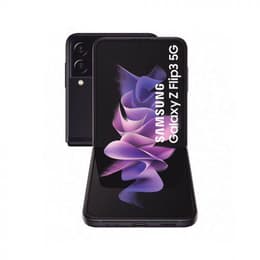
Galaxy Z Flip3 5G
Galaxy Z Flip3 5G
Starting at

Refurbished price:154.00

Versus €999.00 new

See options
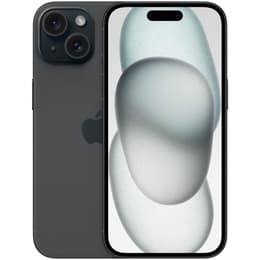
iPhone 15
iPhone 15
Starting at

Refurbished price:394.00

Versus €879.00 new

See options

Ratings

The Samsung Galaxy Z Flip3 5G, released in August 2021, introduced a unique foldable design to the smartphone market, offering a compact form factor when closed. In contrast, the iPhone 15, launched in September 2023, represents a more traditional smartphone approach with a focus on refined performance and an advanced camera system. These devices cater to different user preferences, primarily differing in their physical design, operating systems, and core functionalities.

Scores

Durability

When considering the long-term usability of these devices, both software support and physical resilience play significant roles.

  • Software Longevity: The iPhone 15, running on iOS, typically receives major operating system updates for approximately five to six years from its release, with Apple publicly committing to a minimum of five years of software support for the iPhone 15 series. The Galaxy Z Flip3 5G, an Android device, generally receives around four years of OS updates and five years of security updates. This means the iPhone 15 is likely to receive software support for a longer duration, extending its functional lifespan.
  • Physical Durability: The iPhone 15 features a Ceramic Shield front cover and an aluminum frame, offering robust protection against drops and scratches, alongside an IP68 rating for water and dust resistance. The Galaxy Z Flip3 5G boasts an IPX8 water resistance rating, meaning it can withstand submersion in water, but it lacks official dust resistance due to its folding mechanism. Its cover screen is protected by Gorilla Glass Victus, and the hinge is designed to endure up to 200,000 folds. However, the foldable screen's inherent nature means a visible crease and potential vulnerability to dust ingress, which is not a concern for the rigid display of the iPhone 15.
  • Repairability: The iPhone 15 has seen improvements in repairability, with some reports indicating a score of 7 out of 10, partly due to easier part calibration through software. Earlier assessments, however, noted challenges with part pairing and battery replacement requiring display removal. Information regarding the repairability score for the Galaxy Z Flip3 5G is less consistently available, but foldable devices generally present more complex repair challenges due to their intricate design.

Year of Release

2021

2023

Compatible with latest Update

Yes

Yes

OS

Android

iOS

Foldable

Yes

No

Performance

The performance of a smartphone is crucial for daily tasks, from navigating apps to demanding gaming sessions.

  • Processing Power: The iPhone 15 is equipped with a current-generation processor, which allows for smooth handling of intensive applications, complex multitasking, and graphically demanding games. Users can expect quick app loading times and fluid transitions. The Galaxy Z Flip3 5G features a powerful processor from its release year, providing a responsive experience for most everyday applications and gaming. However, as a device from 2021, its processing capabilities may show limitations when compared to newer chipsets in highly demanding scenarios or over extended periods of heavy use.
  • Multitasking and Responsiveness: With 6GB of RAM, the iPhone 15 efficiently manages multiple applications running simultaneously, ensuring a seamless user experience. The Galaxy Z Flip3 5G comes with 8GB of RAM, which also contributes to effective multitasking, allowing users to switch between apps without significant delays. Both devices offer a generally responsive interface, though the iPhone 15's newer hardware may provide a slight edge in sustained high-performance tasks.
  • Battery Behavior: The iPhone 15 houses a 3349 mAh battery, designed to provide ample power for a full day of typical use, with some tests indicating over 25 hours of continuous web browsing. The Galaxy Z Flip3 5G has a 3300 mAh dual battery. User experiences with the Z Flip3's battery life often suggest that heavy usage may require more frequent charging, particularly given its dual-screen functionality and the power demands of its foldable display.

Memory (GB)

8 GB

6 GB

Screen quality

The visual experience is a key differentiator, with both devices offering distinct display technologies and form factors.

  • Display Technology and Clarity: The iPhone 15 features a 6.1-inch Super Retina XDR OLED display, providing deep blacks, vibrant colors, and excellent contrast. Its resolution of 2556 x 1179 pixels results in a sharp image with a pixel density of 460 ppi. The Galaxy Z Flip3 5G's main screen is a 6.7-inch Foldable Dynamic AMOLED 2X display with a resolution of 2640 x 1080 pixels, also offering rich colors and contrast. A notable characteristic of the foldable display is the visible crease in the middle, which some users may notice during use.
  • Brightness and Refresh Rate: The iPhone 15's display can reach a peak outdoor brightness of up to 2000 nits, ensuring good visibility even in bright sunlight. It operates at a standard 60Hz refresh rate. The Galaxy Z Flip3 5G's main display offers an adaptive refresh rate of up to 120Hz, providing smoother scrolling and more fluid animations, and can reach up to 1200 nits peak brightness. This higher refresh rate can contribute to a more responsive feel during interactions.
  • Screen Size and Unique Features: The iPhone 15 offers a traditional slab design with a 6.1-inch display, featuring the Dynamic Island for interactive alerts and activities. The Galaxy Z Flip3 5G's main 6.7-inch display folds in half, offering a compact form factor when closed. It also includes a 1.9-inch Super AMOLED cover screen that displays notifications, time, and can act as a viewfinder for quick selfies.

Resolution

1080 x 2640

1179 x 2556

Screen type

Foldable Dynamic AMOLED 2X

Super Retina XDR OLED

Audiovisual

Both smartphones offer capable camera systems, but with different strengths and features tailored to their designs.

  • Rear Camera Systems: The iPhone 15 features an advanced dual-camera system with a 48MP main sensor and a 12MP ultrawide lens. The 48MP main camera can capture super-high-resolution photos and offers a 2x telephoto option enabled by its quad-pixel sensor. The Galaxy Z Flip3 5G comes with a dual 12MP rear camera setup, including a wide-angle and an ultrawide lens.
  • Photography Features and Quality: The iPhone 15 benefits from computational photography features like Photonic Engine, Deep Fusion, and Smart HDR 5, which enhance image quality, especially in challenging lighting conditions. It also offers next-generation portraits with Focus and Depth Control. The Galaxy Z Flip3 5G includes features like Night Mode, Pro Mode for manual controls, and 10x digital zoom. Its unique Flex Mode allows for hands-free photography and video calls by partially folding the device, effectively acting as its own tripod.
  • Video Recording and Front Camera: Both devices support 4K video recording at various frame rates. The iPhone 15's TrueDepth front camera is 12MP and includes autofocus with Focus Pixels, supporting features like Cinematic mode and HDR video. The Galaxy Z Flip3 5G has a 10MP front camera, which also performs well, particularly in low light, and can be used with the cover screen as a viewfinder.

Main camera

12 megapixels

48 megapixels

Front camera

10 megapixels

12 megapixels

Miscellaneous

Beyond the core features, several practical elements contribute to the overall user experience of these smartphones.

  • Connectivity and Ports: Both the Galaxy Z Flip3 5G and the iPhone 15 support 5G connectivity for fast mobile data. The iPhone 15 features Wi-Fi 6E and Bluetooth 5.3, offering advanced wireless capabilities. The Galaxy Z Flip3 5G supports Wi-Fi 6 and Bluetooth 5.1. A significant change for the iPhone 15 is the adoption of a USB-C port for charging and data transfer, aligning with many other modern electronic devices. The Galaxy Z Flip3 5G also uses a USB-C port. Neither device includes a traditional headphone jack.
  • Biometric Security: The iPhone 15 relies on Face ID for secure facial recognition to unlock the device and authenticate payments. The Galaxy Z Flip3 5G features a side-mounted fingerprint sensor integrated into the power button, providing a convenient and secure unlocking method.
  • Physical Characteristics: The iPhone 15 has dimensions of 147.6 x 71.6 x 7.8 mm and weighs 171 grams. Its design is a traditional slab. The Galaxy Z Flip3 5G, when unfolded, measures 166 x 72.2 x 6.9 mm and weighs 183 grams. When folded, its dimensions are 86.4 x 72.2 x 15.9-17.1 mm, making it significantly more compact and pocketable. The build materials for the iPhone 15 include an aluminum design with a color-infused glass back and Ceramic Shield front. The Z Flip3 features an aluminum frame with Gorilla Glass Victus on the cover screen and a plastic front for the main foldable display.

Weight

183 g

171 g

Screen size (in)

6.7

6.1

Network

5G

5G

SIM card

Physical SIM + eSIM

eSIM

Carrier compatibility

Unlocked

Unlocked

The choice between the Galaxy Z Flip3 5G and the iPhone 15 ultimately depends on individual priorities and how a user intends to interact with their device.

Users often praise the iPhone 15 for its consistent performance, reliable camera system, and the seamless integration within the Apple ecosystem. Its display is noted for its brightness and clarity, and the extended software support provides a sense of long-term value. Some common criticisms, however, include the 60Hz refresh rate, which is lower than many Android counterparts, and the absence of a dedicated telephoto lens on the base model.

The Galaxy Z Flip3 5G is frequently lauded for its innovative foldable design, offering a unique blend of a large screen experience with a compact, pocketable form factor. The cover screen is a popular feature for quick interactions, and the 120Hz refresh rate on the main display provides a smooth visual experience. User feedback sometimes points to concerns about the durability of the foldable screen over time, including the visibility of the crease and the battery life, which some heavy users find requires more frequent charging.

Users prioritizing a traditional, highly polished smartphone experience with long-term software support and robust physical durability may find the iPhone 15 well-suited to their needs. Its consistent performance and advanced computational photography make it a strong contender for those who value reliability and a straightforward user interface. Conversely, individuals seeking a distinctive design, enhanced portability, and a more dynamic interaction with their device might lean towards the Galaxy Z Flip3 5G. Its foldable nature and the utility of the cover screen offer a different approach to smartphone usage. Both devices are available as quality-assured refurbished options, providing an eco-friendly alternative for consumers.

See all articles

Our recent comparisons







