

iPad 11 (2025, A16 series) Vs iPad Air 5 (2022, M1 series)

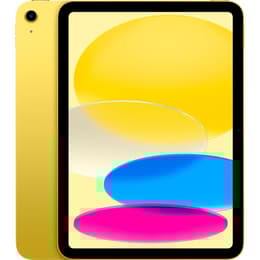
iPad 11 (2025, A16 series)
Starting at

Refurbished price:370.00

Versus €399.00 new

See options
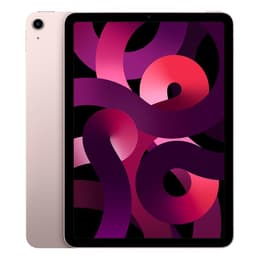
iPad Air 5 (2022, M1 series)
Starting at

Refurbished price:310.00

Versus €799.00 new

See options

Ratings

The iPad (2025 model) and the iPad Air (2022 M1 Series) represent different tiers within Apple's tablet lineup, offering distinct capabilities for various user needs. While the 2025 model, a newer standard iPad, integrates a more recent mobile processor, the iPad Air (2022) features a more powerful, desktop-class chip. Both devices operate on Apple's iPadOS, providing a consistent software experience, but their underlying hardware leads to differences in performance and overall user interaction.

Scores

Durability

When considering the longevity of these tablets, their release timelines and Apple's typical software support cycles are key factors. The iPad Air (2022 M1 Series) was released in March 2022, while the iPad (2025 model) is a more recent offering from 2025.

  • Software Updates: The iPad (2025 model) is expected to receive iPadOS updates for a longer duration, likely extending its software support by several years compared to the iPad Air (2022), which has already received several major updates since its release.
  • Practical Lifespan: Both devices are built with durable materials, but the newer components and extended software support of the iPad (2025 model) suggest a slightly longer practical lifespan for staying current with demanding applications and security features.
  • Repairability: Apple generally designs its iPads with a moderate level of repairability, and both models are expected to follow similar trends, with common components being serviceable by trained technicians.

Year of Release

2025

2022

Compatible with latest Update

Yes

Yes

OS

iPadOS

iPadOS

Maximum Operating System supported

iPadOS 18

iPadOS 18

Performance

The core difference in these two tablets lies in their processing power, which impacts how they handle various tasks. The iPad Air (2022 M1 Series) is equipped with a desktop-class M1 chip, while the iPad (2025 model) features the A16 Bionic chip, a powerful mobile processor.

  • Application Responsiveness: The iPad Air (2022) offers robust performance for demanding applications, complex multitasking, and graphics-intensive gaming, thanks to its M1 chip, which provides superior multi-core and graphics performance. The iPad (2025 model) handles everyday tasks, web browsing, and most mobile games smoothly with its A16 Bionic chip, which is optimized for efficiency and quick response times in mobile environments.
  • Multitasking Capabilities: With 8GB of RAM, the iPad Air (2022) is well-suited for extensive multitasking, allowing users to switch between numerous applications without significant slowdowns. The iPad (2025 model), likely featuring 6GB of RAM, capably manages multiple apps simultaneously, though users engaging in very heavy professional workflows might notice a difference in extreme scenarios.
  • Battery Behavior: Both models are designed to provide up to 10 hours of web surfing or video playback on a single charge, offering all-day power for typical usage.

Memory (GB)

6 GB

8 GB

Processor

Apple A16

Apple M1

Screen quality

The visual experience on these tablets is delivered through their respective displays, each offering clarity and vibrant colors suitable for various activities. Both feature Liquid Retina IPS displays, but with some distinctions in their construction and capabilities.

  • Display Technology: The iPad Air (2022) features a 10.9-inch Liquid Retina IPS display that is fully laminated and includes an anti-reflective coating, which enhances viewing in bright environments and reduces glare. The iPad (2025 model) is expected to feature a similar 10.9-inch Liquid Retina IPS display, offering clear visuals and good color reproduction, though it may not include the fully laminated design or anti-reflective coating found on the Air model.
  • Brightness and Clarity: Both tablets offer 500 nits of brightness and support True Tone technology for adaptive white balance, ensuring comfortable viewing in various lighting conditions. The resolution on both is 2360 x 1640 pixels, resulting in a sharp 264 pixels per inch.
  • Refresh Rate: Both the iPad Air (2022) and the iPad (2025 model) feature a standard 60Hz refresh rate, providing a smooth experience for most content consumption and general use.

Resolution

2360 x 1640

2360 x 1640

True Tone

Yes

Yes

Pro-Motion

No

No

Screen type

Liquid Retina display

Liquid Retina display

Pixel density

264ppp

264ppp

Brightness

500 nits brightness

500 nits brightness

Sound quality

Speakers

Stereo speakers (landscape)

Stereo speakers

Audiovisual

The camera systems on these iPads are designed for everyday photography, video calls, and augmented reality experiences, with both models offering capable sensors for their respective purposes.

  • Rear Camera Performance: Both the iPad Air (2022) and the iPad (2025 model) are equipped with a 12MP wide-angle rear camera capable of recording 4K video, suitable for capturing documents, casual photos, and video projects.
  • Front Camera and Video Calls: Each tablet features a 12MP ultra-wide front camera with Center Stage, a feature that automatically keeps the user in the frame during video calls, even as they move around. This enhances the video conferencing experience by making interactions more natural.
  • Audio Experience: The iPad Air (2022) provides stereo speakers that offer clear audio for media consumption, while the iPad (2025 model) is also expected to deliver a satisfactory audio experience for calls and entertainment.

Miscellaneous

Beyond their core features, several practical elements differentiate these two iPad models, influencing their handling, connectivity, and overall utility.

  • Connectivity Options: Both devices support Wi-Fi 6 and offer optional 5G cellular connectivity for fast wireless internet access. The iPad (2025 model) is likely to feature Bluetooth 5.2, a slight upgrade from the Bluetooth 5.0 in the iPad Air (2022).
  • Port Type and Speed: Both tablets utilize a USB-C port for charging and accessories. However, the iPad Air (2022) features a faster USB 3.2 Gen 2 port, offering data transfer speeds up to 10Gb/s, which is beneficial for transferring large files. The iPad (2025 model) is expected to have a USB-C port with USB 2.0 speeds, similar to previous standard iPad models.
  • Physical Design and Security: Both models feature an all-screen design with Touch ID integrated into the top power button for secure authentication. The iPad Air (2022) is slightly thinner and lighter, measuring 6.1 mm thick and weighing around 461g, compared to the iPad (2025 model)'s expected 7 mm thickness and approximately 477g weight.

Weight

477 g

461 g

Width

179.5 cm

17.85 cm

Height

248.6 cm

24.76 cm

Depth

7 cm

0.61 cm

Screen size (in)

11

10.9

Network

Wi-Fi

Wi-Fi

Carrier compatibility

Without SIM Port

Without SIM Port

Wi-Fi technology

Wi-Fi 6 802.11ax

Wi-Fi 6 802.11ax

Bluetooth Version

Bluetooth 5.3

Bluetooth 5.0

Face ID

No

No

Touch ID

Yes

Yes

Connector

USB Type-C

USB Type-C

User feedback often highlights the iPad Air (2022 M1 Series) for its robust performance, particularly for creative tasks and demanding applications, with many appreciating its balance of power and portability. Some users note that while its battery life is generally good, heavy usage can necessitate more frequent charging. The iPad (2025 model), as a newer standard iPad, is praised for bringing modern features and a capable processor to a broader audience, offering a solid experience for general use, education, and entertainment.

Users prioritizing sustained high performance for tasks like video editing, advanced gaming, or complex graphic design may find the iPad Air (2022 M1 Series) better suited to their needs due to its M1 chip and faster USB-C port. Conversely, individuals seeking a capable and efficient tablet for everyday productivity, content consumption, and general creative work, who also benefit from a longer software support window, may lean towards the iPad (2025 model). Both devices offer a quality-assured refurbished option, providing an eco-friendly alternative for those looking to make a sustainable choice.


See all articles

Our recent comparisons