

Compare models

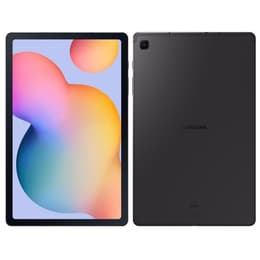
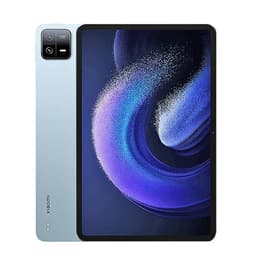
Galaxy Tab S6 Lite (10.4", 2022) Vs Xiaomi Pad 6 (11.0", 2023)

  • 1-year minimum warranty
  • Free delivery on all orders
  • Free 30-day returns
Galaxy Tab S6 Lite (10.4", 2022)
Starting at

Refurbished price:€203.00

Versus €450.00 new

See options

Differences at a glance

The Samsung Galaxy Tab S6 Lite (2022) and the Xiaomi Pad 6 (2023) are versatile mid-range tablets designed for everyday productivity, media consumption, and note-taking. While the Galaxy Tab S6 Lite focuses on a portable design with an included stylus for handwritten notes, the Xiaomi Pad 6 prioritizes high-resolution visuals and smooth multitasking performance. Both devices run on Android operating systems, though each manufacturer applies a distinct user interface layer that alters the navigation and customization options. Users evaluating these tablets will find distinct differences in their core capabilities, display technologies, and daily performance profiles.

Available Models

Colour

Storage

Scores

Durability

The Galaxy Tab S6 Lite (2022) and Xiaomi Pad 6 (2023) offer different software support lifespans and hardware durability expectations based on their release years and manufacturer update policies.

  • Software update timeline: The Xiaomi Pad 6 benefits from a more recent release date, typically securing support for system updates further into the future compared to the slightly older Galaxy Tab S6 Lite.
  • Build and repair framework: Both tablets feature sturdy metal frames designed for daily portability, though professional repair accessibility remains standard for both brands, requiring specialized tools for internal component swaps.
  • Long-term reliability: Users can expect consistent battery health over several years of standard charging cycles, with the quality-assured refurbished option providing a sustainable choice that extends the functional lifecycle of these electronics.

Year of Release

2022

2023

OS

Android

Android

Performance

Performance capabilities vary significantly between these two tablets, impacting how they handle demanding applications, multitasking, and media storage.

  • App execution and responsiveness: The Xiaomi Pad 6 handles intensive applications and demanding games smoothly due to its powerful internal hardware configuration, whereas the Galaxy Tab S6 Lite is better suited for lighter daily tasks like web browsing and document editing.
  • Multitasking and memory: Generous memory allocation on the Xiaomi Pad 6 allows multiple apps to remain open in the background without stuttering, while the Galaxy Tab S6 Lite performs adequately with standard split-screen workflows.
  • Storage capacity and battery endurance: Both models provide sufficient internal storage for media files, complemented by battery capacities designed to last through a full day of mixed classroom or office use under moderate brightness settings.

Screen quality

Display characteristics differ notably in size, resolution, and visual fluidity, affecting media viewing and reading experiences.

  • Resolution and clarity: The Xiaomi Pad 6 features a higher resolution screen with sharper pixel density for detailed text rendering, while the Galaxy Tab S6 Lite utilizes a standard panel that handles everyday reading and video streaming comfortably.
  • Refresh rate and motion smoothness: High refresh rate support on the Xiaomi Pad 6 ensures fluid scrolling through web pages and documents, whereas the Galaxy Tab S6 Lite relies on a standard refresh rate.
  • Brightness and panel size: The Xiaomi Pad 6 offers a slightly larger workspace with bright outdoor visibility, matching the compact and comfortable viewing dimensions provided by the Galaxy Tab S6 Lite.

Resolution

1200x2000

1800 x 2880

Screen type

TFT LCD

IPS LCD

Pixel density

230ppp

310ppp

Audiovisual

Audio and visual capture capabilities serve different functions on these tablets, prioritizing video calls and media reproduction over professional photography.

  • Camera systems: Both devices feature single rear camera lenses and front-facing sensors positioned for video conferencing, online learning, and casual snapshots rather than detailed photography.
  • Video recording quality: Video capture meets standard resolution requirements for virtual meetings and online classes, supported by microphones that isolate voice audio effectively in quiet environments.
  • Speaker output: Multi-speaker configurations on both models deliver clear stereo sound for listening to podcasts, watching movies, and participating in audio calls without mandatory external headphones.

Miscellaneous

Practical physical attributes and connectivity standards shape how each tablet integrates into daily routines, travel gear, and accessories.

  • Connectivity features: Both models support standard wireless networking protocols and Bluetooth connectivity for pairing wireless accessories like keyboards, mice, and audio gear.
  • Physical dimensions and handling: The Galaxy Tab S6 Lite maintains a lighter, highly portable profile well-suited for reading ebooks, while the Xiaomi Pad 6 offers a slightly broader frame optimized for productivity tasks.
  • Accessory integration: The Galaxy Tab S6 Lite includes a stylus directly in the box for drawing and note-taking, whereas the Xiaomi Pad 6 supports separately purchased productivity accessories like dedicated keyboards and styluses.

Weight

467 g

490 g

Screen size (in)

10.4

11.0

Network

Wi-Fi

Wi-Fi

Carrier compatibility

Without SIM Port

Without SIM Port

Connector

USB Type-C

USB Type-C

What the community thinks

Users prioritizing digital note-taking, portability, and an out-of-the-box stylus experience may prefer the Galaxy Tab S6 Lite. Its lightweight build and bundled writing tool make it a practical companion for students and casual readers who need a reliable device for annotation and basic media consumption. On the other hand, users prioritizing high-resolution displays, fluid screen motion, and robust processing power for multitasking will find the Xiaomi Pad 6 well-suited to their needs.

When deciding between these two devices, consider whether high-performance media handling or bundled accessory convenience holds greater importance for your daily workflow. Exploring a quality-assured refurbished option allows consumers to acquire either of these reliable tablets as an eco-friendly alternative that reduces electronic waste. Evaluating individual usage habits remains the most effective way to determine which tablet aligns with your personal productivity and entertainment requirements.


Our recent comparisons