

Compare models

Galaxy Z Fold7 Vs iPhone 16 Pro Max

  • 1-year minimum warranty
  • Free delivery on all orders
  • Free 30-day returns
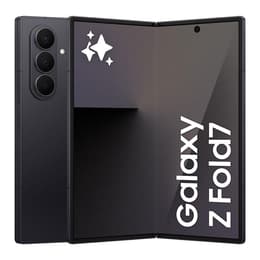
Galaxy Z Fold7
Starting at

Refurbished price:€907.00

Versus €2,236.37 new

See options
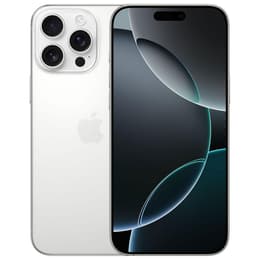
iPhone 16 Pro Max
Starting at

Refurbished price:€790.00

Versus €1,489.00 new

See options

Differences at a glance

The Samsung Galaxy Z Fold 7 (2025) and Apple iPhone 16 Pro Max (2024) represent two distinct visions for high-end mobile computing, balancing advanced productivity features against traditional flagship slab smartphone reliability. While the Galaxy Z Fold 7 offers a transformative book-style foldable layout, the iPhone 16 Pro Max delivers a refined single-screen experience with an emphasis on integrated software ecosystems. Choosing between them depends entirely on whether physical screen versatility or standard candybar ergonomics fits your daily routine.

Available Models

Colour

Storage

Scores

Durability

Both devices are engineered for long-term ownership, though their physical formats and software lifecycles introduce different considerations for durability.

  • Software longevity: Both platforms receive multi-year operating system upgrades and security updates, ensuring prolonged software relevance for everyday tools and security patches.
  • Build and physical resilience: The iPhone 16 Pro Max utilizes a durable titanium frame and reinforced glass front, whereas the Galaxy Z Fold 7 features a complex folding hinge mechanism that requires more careful physical handling over years of use.
  • Repairability expectations: Standard slab phones like the iPhone generally offer straightforward screen replacements compared to dual-screen foldable devices, which involve intricate internal ribbon cables and specialized hinge servicing.

Year of Release

2025

2024

Compatible with latest Update

Yes

Yes

Foldable

Yes

No

Performance

Equipped with modern high-tier internal hardware, both smartphones handle intensive multitasking, demanding applications, and high-framerate gaming with seamless fluidity.

  • Multitasking capacity: The Galaxy Z Fold 7 benefits from abundant system memory to run multiple split-screen applications simultaneously, whereas the iPhone 16 Pro Max relies on optimized memory management to switch swiftly between background tasks.
  • App responsiveness: Both devices load heavy software instantly, render complex graphics smoothly, and maintain stable thermal performance during prolonged usage sessions.
  • Battery behavior: The iPhone 16 Pro Max delivers extended battery endurance across continuous media playback, while the Galaxy Z Fold 7 manages power across two separate displays, resulting in more frequent charging routines for heavy multi-screen users.

Screen quality

Display technology represents the most fundamental point of divergence between these two flagship models.

  • Display configuration: The Galaxy Z Fold 7 deploys a massive inner folding screen alongside an exterior cover display for quick interactions, while the iPhone 16 Pro Max provides a single expansive, high-clarity glass panel.
  • Visual clarity and panels: Both models utilize vibrant organic light-emitting diode technology with deep contrast ratios and sharp resolutions, ensuring crisp text and vivid media reproduction.
  • Outdoor visibility and motion: High peak brightness capabilities on both handsets ensure clear legibility under direct sunlight, paired with smooth dynamic refresh rates that adapt fluidly to scrolling and gaming.

Resolution

1968x2184

1320 x 2868

Audiovisual

Imaging capabilities on both smartphones cater to versatile photography and high-definition video recording.

  • Sensor arrays: Both models feature multi-lens configurations incorporating high-resolution primary wide lenses, ultra-wide options for expansive scenes, and telephoto capability for distant subjects.
  • Low-light and video performance: Advanced image processing hardware allows both devices to capture detailed night scenes and stable cinematic video output with integrated stabilization features.
  • Media and audio output: Stereo speaker setups on both units deliver clear, balanced sound for media consumption, supported by sensitive microphone arrays for voice calls and audio recording.

Miscellaneous

Practical everyday features round out the hardware experience, varying significantly in physical dimensions and connectivity convenience.

  • Port and connection standards: Both models use universal USB-C ports for charging and data transfer alongside modern fifth-generation mobile network and wireless standards.
  • Form factor and weight: The iPhone 16 Pro Max is built as a traditional, heavier slab phone, whereas the Galaxy Z Fold 7 offers a uniquely thin profile when unfolded, though it carries a distinct folded thickness.
  • Biometric security: Apple utilizes secure facial recognition technology, while Samsung integrates a rapid fingerprint scanner directly into the side power button.

Weight

215 g

227 g

Screen size (in)

8.0

6.9

Network

5G

5G

SIM card

Dual Physical SIM + eSIM

Physical SIM + eSIM

Carrier compatibility

Unlocked

Unlocked

Connector

USB-C (USB 3)

USB-C (USB 3)

What the community thinks

User discussions across community forums highlight distinct community perspectives for each device. Owners of the Galaxy Z Fold 7 frequently praise the expansive workspace and flexibility of multitasking on a tablet-sized inner screen, though some note that the narrower outer screen takes time to adapt to for typing. Conversely, iPhone 16 Pro Max users widely commend its reliable battery endurance and dependable single-hand ergonomics, while occasional feedback points to its heavy physical footprint in daily pocket carry. Exploring a quality-assured refurbished option provides an eco-friendly alternative for acquiring either device while reducing electronic waste.

Users prioritizing maximum screen real estate for multitasking and document editing will find the Galaxy Z Fold 7 well-suited to their workflow, while users prioritizing straightforward battery longevity and a classic single-screen layout may lean toward the iPhone 16 Pro Max. Reviewing your primary daily tasks will naturally clarify which device format aligns with your requirements.