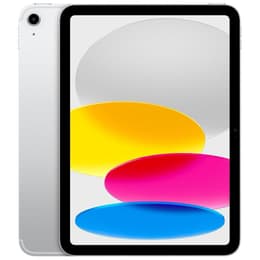
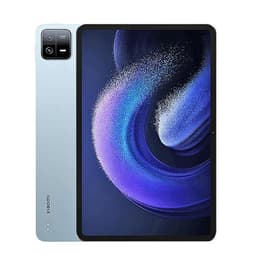


iPad 10 (2022, A14 series) Vs Xiaomi Pad 6 (11.0", 2023)

iPad 10 (2022, A14 series)
Starting at

Refurbished price:294.00

Versus €449.00 new

See options
Xiaomi Pad 6 (11.0", 2023)
Starting at

Refurbished price:235.39

Versus €699.00 new

See options

Ratings

The iPad (10th generation), released in October 2022, and the Xiaomi Pad 6, launched in April 2023, are both tablets designed for a range of uses from entertainment to productivity. While the iPad operates on Apple's iPadOS, the Xiaomi Pad 6 runs on Android, offering distinct software experiences. Key differentiators between these two models include their display technology, processor capabilities, and ecosystem integration.

Scores

Durability

When considering the longevity of a tablet, software support and physical durability are important factors. Both devices feature robust builds, but their software update policies differ.

  • Software Support: Apple typically provides five to seven years of iPadOS updates for its devices, meaning the iPad (10th generation) can be expected to receive updates until at least 2027, and potentially longer. This extended support ensures access to new features and security patches for a considerable period. In contrast, Xiaomi generally offers at least two years of security updates and one major Android update for its devices, with some models receiving longer support. User reports suggest that while the Xiaomi Pad 6 shipped with Android 13, its future major Android updates might be limited, though security updates are expected for a few years.
  • Physical Durability: The iPad (10th generation) features an aluminum unibody design. The Xiaomi Pad 6 also boasts an all-aluminum body with Corning Gorilla Glass 3 on the front, contributing to a sturdy feel. Both tablets are designed to withstand typical daily use, with their metal constructions offering a degree of resilience.
  • Practical Lifespan: Users often find that Apple devices remain functional and receive app compatibility for many years due to consistent software updates. The Xiaomi Pad 6, while physically durable, may see its practical lifespan influenced by the shorter duration of major Android version updates, potentially affecting compatibility with newer applications over time.

Year of Release

2022

2023

Compatible with latest Update

Yes

No

OS

iPadOS

Android

Performance

The performance of a tablet is largely determined by its internal processing power and how efficiently its operating system utilizes those resources. Both the iPad (10th generation) and the Xiaomi Pad 6 offer capable performance for their respective ecosystems.

  • Everyday Tasks and Multitasking: The iPad (10th generation) is equipped with a processor that handles everyday applications, web browsing, and light gaming smoothly. Its iPadOS is optimized for efficient multitasking, allowing users to run multiple apps simultaneously without significant slowdowns. The Xiaomi Pad 6, powered by a capable mobile platform, also delivers smooth performance for daily tasks and can manage demanding applications and gaming.
  • Gaming and Demanding Apps: For more intensive tasks like graphic-heavy gaming or video editing, the iPad's processor provides a responsive experience, ensuring consistent frame rates and quick rendering. The Xiaomi Pad 6's processor is also well-suited for gaming, with users reporting stable frame rates in popular titles, though some demanding apps might experience occasional stutters due to software optimization.
  • Storage and Battery Behavior: The iPad (10th generation) is available with 64GB or 256GB storage options. The Xiaomi Pad 6 offers 128GB or 256GB storage configurations. In terms of battery, the iPad (10th generation) generally provides sufficient power for a full day of mixed use, though some users have noted it falls short of its predecessor. The Xiaomi Pad 6 features a large battery capacity, with users reporting good battery life for mixed usage, often lasting through a full day and beyond with moderate use.

Memory (GB)

4 GB

6 GB

Screen quality

The display is a primary interface for tablets, and both models offer vibrant screens, though with distinct characteristics that cater to different viewing preferences.

  • Display Technology and Resolution: The iPad (10th generation) features a 10.9-inch Liquid Retina IPS LCD with a resolution of 2360 x 1640 pixels, resulting in a pixel density of 264 pixels per inch (ppi). The Xiaomi Pad 6 comes with an 11-inch IPS LCD panel, offering a higher resolution of 2880 x 1800 pixels and a pixel density of 309 ppi. This higher pixel density on the Xiaomi Pad 6 can result in slightly sharper text and images.
  • Brightness and Color: Both tablets offer good brightness levels for indoor use. The iPad (10th generation) has a typical brightness of 500 nits. The Xiaomi Pad 6 can reach a peak brightness of 550 nits, which can be beneficial for outdoor visibility. Both displays support a wide color gamut, providing vibrant and accurate colors for media consumption and creative work.
  • Refresh Rate and Smoothness: The iPad (10th generation) features a standard 60Hz refresh rate, which provides a smooth experience for most tasks. The Xiaomi Pad 6 stands out with a higher 144Hz adaptive refresh rate, which can make scrolling, animations, and gaming appear noticeably smoother and more fluid.

Resolution

2360 x 1640

1800 x 2880

Screen type

Liquid Retina display

IPS LCD

Pixel density

264ppp

310ppp

Audiovisual

While tablets are not typically primary photography devices, their cameras are increasingly important for video calls, document scanning, and casual photography. Both tablets offer capable camera systems for these purposes.

  • Rear Camera Performance: The iPad (10th generation) is equipped with a 12-megapixel wide rear camera with an f/1.8 aperture, capable of capturing detailed photos and 4K video recording. The Xiaomi Pad 6 features a 13-megapixel rear camera with an f/2.2 aperture, also supporting 4K video recording. Both are suitable for scanning documents and occasional photos in good lighting conditions.
  • Front Camera and Video Calls: A notable feature of the iPad (10th generation) is its 12-megapixel ultra-wide front camera, which is positioned on the longer edge of the device and supports Center Stage, keeping the user in frame during video calls. The Xiaomi Pad 6 has an 8-megapixel front camera, also positioned on the longer edge, which is beneficial for video conferencing in landscape orientation.
  • Audio Quality: The iPad (10th generation) offers stereo speakers, providing a good audio experience for media consumption. The Xiaomi Pad 6 features a quad-speaker setup with Dolby Atmos support, delivering a more immersive and louder audio experience.

Miscellaneous

Beyond core specifications, several practical features and design elements contribute to the overall user experience of a tablet.

  • Connectivity: Both tablets support modern wireless standards. The iPad (10th generation) includes Wi-Fi 6 and Bluetooth 5.2, with cellular models offering 5G connectivity. The Xiaomi Pad 6 also supports Wi-Fi 6 and Bluetooth 5.2.
  • Ports and Biometrics: The iPad (10th generation) has transitioned to a USB-C 2.0 port and features Touch ID integrated into the power button for secure authentication. The Xiaomi Pad 6 also uses a USB-C 3.2 Gen 1 port and includes a side-mounted fingerprint sensor for security.
  • Accessories and Design: The iPad (10th generation) is compatible with the Apple Pencil (1st generation, requiring an adapter) and the Magic Keyboard Folio. Its design features flat edges and a uniform bezel. The Xiaomi Pad 6 supports the Xiaomi Smart Pen (2nd generation) and a dedicated keyboard accessory. It boasts a slim metal unibody design that some users find comparable in feel to higher-end tablets.
  • Weight and Dimensions: The Wi-Fi model of the iPad (10th generation) weighs 477 grams and measures 248.6 x 179.5 x 7 mm. The Xiaomi Pad 6 weighs 490 grams and has dimensions of 253.95 x 165.18 x 6.51 mm. The Xiaomi Pad 6 is slightly thinner and has a slightly different aspect ratio.

Weight

477 g

490 g

Width

17.95 cm

16,52 cm

Height

24.86 cm

25,4 cm

Depth

0.7 cm

0,65 cm

Screen size (in)

10.9

11.0

Network

Wi-Fi

Wi-Fi

Carrier compatibility

Without SIM Port

Without SIM Port

User feedback for the iPad (10th generation) often praises its updated design, improved cameras, and the move to USB-C, making it a more modern and versatile device. Common criticisms include its battery life, which some users found to be average, and the continued use of the first-generation Apple Pencil with an adapter, which can be inconvenient. The Xiaomi Pad 6 receives commendation for its high-refresh-rate display, strong performance for its category, and robust build quality. Some users have noted occasional software stutters and concerns regarding the long-term software update policy.

Users prioritizing a long software support lifespan, a wide ecosystem of apps and accessories, and a front camera optimized for video calls may find the iPad (10th generation) well-suited to their needs. Its consistent performance and integration within the Apple ecosystem make it a reliable choice for general use and creative tasks. Conversely, individuals who value a higher refresh rate display for smoother visuals, a quad-speaker audio experience, and a potentially sharper screen resolution may lean towards the Xiaomi Pad 6. It offers a compelling package for media consumption and productivity within the Android environment.

Both tablets are available as quality-assured refurbished options, providing an eco-friendly alternative for consumers looking to make a sustainable choice while still acquiring a capable device.


See all articles

Our recent comparisons