
Galaxy Tab S6 Lite (10.4", 2022) Vs iPad 10 (2022, A14 series)

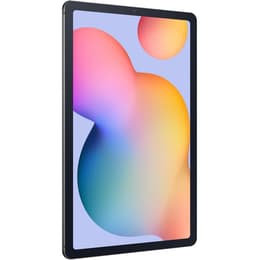
Galaxy Tab S6 Lite (10.4", 2022)
Starting at

Refurbished price:185.00

Versus €499.00 new

See options
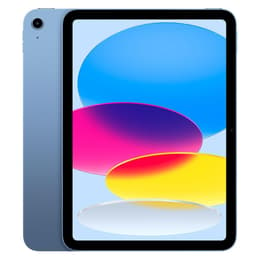
iPad 10 (2022, A14 series)
Starting at

Refurbished price:294.00

Versus €449.00 new

See options

Ratings

The Samsung Galaxy Tab S6 Lite (2022) and the Apple iPad (10th generation, 2022) are both tablets released in 2022, offering distinct experiences within their respective operating systems. While the Galaxy Tab S6 Lite operates on Android, the iPad runs on Apple's iPadOS. These devices cater to different user preferences, primarily differing in their ecosystem integration, stylus inclusion, and overall performance capabilities.

Scores

Durability

When considering the longevity of these tablets, several factors come into play, including software support and physical durability.

  • Software Updates: The iPad (10th generation) typically receives major iPadOS updates for a longer duration, often extending to five or six years from its release. The Galaxy Tab S6 Lite (2022), running Android, generally receives three to four major Android version updates and around four years of security updates. This difference means the iPad may offer a longer period of access to the latest software features and security patches.
  • Build Materials: Both tablets feature robust constructions. The iPad (10th generation) utilizes an aluminum enclosure, contributing to a solid feel and durability. The Galaxy Tab S6 Lite (2022) also features a metal unibody design.
  • Practical Lifespan: Users can expect several years of practical use from both devices. The iPad's extended software support might give it an edge for those who prioritize having the newest features for as long as possible. For users who do not require the absolute latest software, both tablets are designed to function reliably for a considerable period.

Year of Release

2022

2022

Compatible with latest Update

Yes

Yes

OS

Android

iPadOS

Performance

The performance of a tablet is crucial for multitasking, app usage, and overall responsiveness. Both devices offer capable performance for their intended use cases.

  • Processing Power: The iPad (10th generation) is equipped with a powerful chip that handles demanding applications and multitasking smoothly. This allows for fluid navigation, efficient video editing, and responsive gaming experiences. The Galaxy Tab S6 Lite (2022) features a mid-range processor that capably manages everyday tasks, web browsing, and media consumption.
  • Multitasking Capabilities: With 4GB of RAM, both tablets can manage multiple applications running simultaneously. The iPad's optimized iPadOS often provides a seamless multitasking experience, particularly with its Stage Manager feature (though not fully supported on this model) and split-screen functionalities. The Galaxy Tab S6 Lite also supports split-screen for productivity.
  • Storage Options: The iPad (10th generation) is available with 64GB or 256GB of internal storage. The Galaxy Tab S6 Lite (2022) offers 64GB or 128GB storage options and includes a microSD card slot for expandable storage, which can be beneficial for users with large media libraries or extensive document needs.

Memory (GB)

4 GB

4 GB

Screen quality

The display is a primary interaction point for any tablet, influencing everything from media consumption to productivity.

  • Display Technology and Size: The iPad (10th generation) features a 10.9-inch Liquid Retina IPS LCD display, offering vibrant colors and wide viewing angles. The Galaxy Tab S6 Lite (2022) comes with a 10.4-inch LCD panel.
  • Resolution and Clarity: The iPad's display has a resolution of 2360 x 1640 pixels, resulting in sharp text and clear images. The Galaxy Tab S6 Lite offers a resolution of 2000 x 1200 pixels. Both provide a clear viewing experience for general use.
  • Brightness and Features: The iPad (10th generation) provides up to 500 nits of brightness, making it suitable for indoor and some outdoor use, and includes True Tone technology for automatic color temperature adjustment. The Galaxy Tab S6 Lite's display is also bright enough for typical indoor environments.

Resolution

1200 x 2000

2360 x 1640

Screen type

TFT LCD

Liquid Retina display

Pixel density

230ppp

264ppp

Audiovisual

Tablet cameras are increasingly used for video calls, document scanning, and casual photography, making their capabilities an important consideration.

  • Rear Camera System: The iPad (10th generation) is equipped with a 12MP wide rear camera with an f/1.8 aperture, capable of capturing detailed photos and 4K video recording. The Galaxy Tab S6 Lite (2022) features an 8MP rear camera.
  • Front Camera and Video Calls: A notable feature of the iPad (10th generation) is its 12MP ultra-wide front camera, which is positioned on the longer edge of the device, making video calls more natural in landscape orientation. It also supports Center Stage, which keeps the user framed during video calls. The Galaxy Tab S6 Lite (2022) has a 5MP front camera.
  • Audio Experience: The iPad (10th generation) offers dual stereo speakers, providing a rich audio experience for media consumption. The Galaxy Tab S6 Lite also provides stereo sound, enhancing the audio for videos and music.

Miscellaneous

Beyond core specifications, several practical elements contribute to the overall user experience of a tablet.

  • Connectivity: The iPad (10th generation) supports Wi-Fi 6 and offers optional 5G cellular connectivity for faster wireless speeds. The Galaxy Tab S6 Lite (2022) supports Wi-Fi and also has optional LTE models.
  • Ports and Accessories: The iPad (10th generation) features a USB-C port for charging and data transfer, though it operates at USB 2.0 speeds. It does not include a traditional headphone jack. The Galaxy Tab S6 Lite (2022) includes both a USB-C port and a 3.5mm headphone jack, offering more versatile audio connectivity. The Galaxy Tab S6 Lite also comes with an S Pen included, while the Apple Pencil (1st Gen) for the iPad is sold separately and requires an adapter for charging and pairing.
  • Biometrics and Design: The iPad (10th generation) integrates Touch ID into its top button for secure authentication. It features a modern design with flat edges. The Galaxy Tab S6 Lite relies on traditional PIN/pattern security.

Weight

467 g

477 g

Screen size (in)

10.4

10.9

Network

Wi-Fi

Wi-Fi

Carrier compatibility

Without SIM Port

Without SIM Port

User feedback for the iPad (10th generation) often praises its updated design, which aligns with the more premium iPad Air, and its capable performance for everyday tasks and moderate productivity. The repositioned front camera for landscape video calls is frequently highlighted as a significant improvement. Some common criticisms include the continued use of the first-generation Apple Pencil with its adapter requirement, and the absence of a headphone jack. The base storage of 64GB is also sometimes noted as potentially insufficient for some users.

For the Galaxy Tab S6 Lite (2022), users appreciate the included S Pen, making it a ready-to-use device for note-taking and drawing without additional purchases. Its Android ecosystem offers flexibility and customization. Criticisms sometimes point to its less powerful processor compared to higher-end tablets and its LCD display technology.

Users prioritizing a robust ecosystem, longer software support, and a more powerful processing experience for demanding applications may find the iPad (10th generation) well-suited to their needs. Conversely, individuals who value an included stylus for immediate creative or note-taking tasks, expandable storage, and the flexibility of the Android operating system might lean towards the Galaxy Tab S6 Lite (2022). Both tablets offer solid performance for general use, and choosing between them often comes down to preferred operating system and specific accessory needs. For those considering either device, exploring quality-assured refurbished options can provide an eco-friendly alternative.


See all articles

Our recent comparisons