
iPhone

Compare models
Differences at a glance
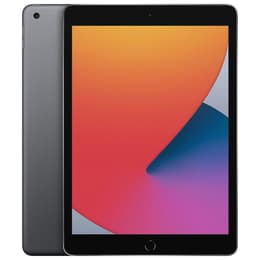
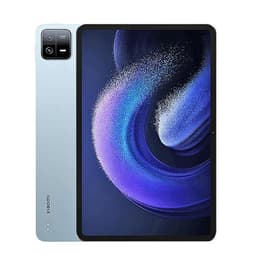
The iPad (8th generation), released in 2020, and the Xiaomi Pad 6, launched in 2023, represent distinct approaches to the tablet experience. While the iPad operates on Apple's iPadOS, offering a streamlined ecosystem, the Xiaomi Pad 6 runs on Android, providing a more open and customizable platform. These differences extend to their internal components and display technologies, catering to varying user preferences and needs.
Colour
Storage
When considering the long-term usability of a tablet, factors such as software support and physical durability are key. The iPad (8th generation) and the Xiaomi Pad 6 offer different timelines for these aspects.
Year of Release
Compatible with latest Update
OS
The performance of a tablet directly impacts its responsiveness and ability to handle various tasks, from everyday browsing to more demanding applications. The iPad (8th generation) and the Xiaomi Pad 6 utilize different internal architectures to achieve their performance levels.
The display is a primary interface for any tablet, and its quality significantly influences the user experience for media consumption, productivity, and general interaction. The iPad (8th generation) and the Xiaomi Pad 6 present different display characteristics.
Resolution
Screen type
Pixel density
While tablets are not typically primary photography devices, their cameras are important for video calls, scanning documents, and occasional photo capture. The iPad (8th generation) and the Xiaomi Pad 6 offer different camera setups and audio capabilities.
Beyond core performance and display, several practical features contribute to the overall utility and user experience of a tablet. The iPad (8th generation) and the Xiaomi Pad 6 differ in their connectivity, physical design, and additional functionalities.
Weight
Width
Height
Depth
Screen size (in)
Network
Carrier compatibility
The iPad (8th generation) and the Xiaomi Pad 6 cater to different user priorities, reflecting their respective ecosystems and design philosophies. User feedback often highlights the iPad's consistent performance and the mature iPadOS ecosystem as strong points. Many appreciate its reliability for general use, educational purposes, and integration with other Apple devices. Criticisms sometimes point to its aging design, including thicker bezels and the continued use of the Lightning port, as well as the relatively basic camera setup.
For the Xiaomi Pad 6, common praise centers on its vibrant, high-refresh-rate display, strong performance for its category, and robust audio experience. Users often find it well-suited for media consumption and gaming. Some criticisms have been directed at the consistency of software updates, with some users expressing concerns about long-term Android version support. The lack of a headphone jack and the placement of the front camera for video calls have also been noted by some.
Users prioritizing a long-term, consistent software experience within a well-established ecosystem may find the iPad (8th generation) well-suited to their needs. Its proven track record for updates and broad accessory compatibility make it a reliable choice for students and general users. Conversely, users who prioritize a more modern display with a high refresh rate, a more open Android operating system, and a powerful audio experience for entertainment may lean toward the Xiaomi Pad 6. Its newer hardware and faster connectivity standards offer a compelling package for media enthusiasts and those seeking a capable Android tablet.
Both devices offer solid performance for their intended audiences, and choosing between them often comes down to individual preference for operating system and specific feature priorities. For those looking for an eco-friendly and quality-assured alternative, considering refurbished options for either model can be a practical choice.